-

What are the care precautions for Prunus x cistena (purple-leaf sand cherry)?
1. Winter care. Prunus x cistena has a certain degree of cold tolerance; mature plants only need their trunks whitewashed in winter. For saplings planted that same year, mounding soil around the roots or wrapping a ring of straw matting around the trunk can help Prunus x cistena get through the winter. For seedlings still developing
-
How to grow Japanese late cherry? A complete guide to care methods
Timing: Cuttings of Japanese late cherry can be taken from April to July, because this is the full bloom period of the cherry, when the survival rate of cuttings is highest, and the plant is in the peak of physiological activity, making rooting easy. Selection of cuttings: we generally cut 15 cm-long branches from robust mother trees.
-
How to grow Prunus x cistena (purple-leaf sand cherry)? Growing methods and precautions
1. Light. Prunus x cistena likes sunlight. If the light is insufficient, its leaves will turn greenish, so if you want the leaves to be a bright purple-red, you should plant it in a place with plenty of light. 2. Soil. Prunus x cistena is not demanding about soil.
-
What are the care methods for the Japanese late cherry?
The Japanese late cherry is not heat-tolerant. In summer, if the temperature exceeds 35°C, we need to open both ends of the shed for ventilation. We can spray water outside the plastic shed, which both cools the temperature and avoids excessive watering that would make the vermiculite too wet. In summer, never expose it to direct sunlight! The above is about the difference between the Japanese early cherry and the late cherry
-
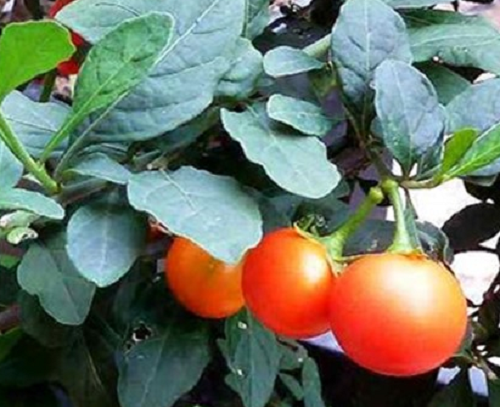
How to Grow and Care for Jerusalem Cherry (Winter Cherry)
1. Pot and soil. To grow Jerusalem cherry, choose a pot of appropriate size, and use loose, fertile, well-draining soil; in addition, you can add some humus fertilizer as a base fertilizer. 2. Light and temperature. Jerusalem cherry likes a warm, sunny growing environment, and it grows best at temperatures between 18-25 degrees
-
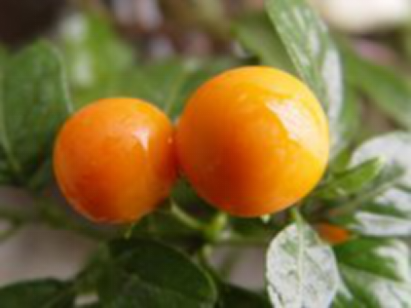
Pests and Diseases of Jerusalem Cherry and Their Control Methods
1. Diseases. When growing Jerusalem cherry, note that it is prone to anthracnose during periods of high summer heat. This disease is generally caused by fungal infection. Every year in June and July, not only are temperatures high but there is also plenty of rain, and air humidity is high, so Jerusalem cherry is extremely susceptible to anthracnose during this season.
-
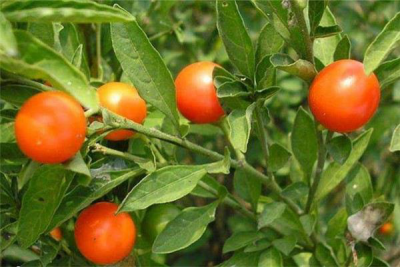
What are the precautions for propagating Jerusalem cherry?
1. Propagation methods. Jerusalem cherry is generally propagated by sowing or cuttings. In spring, either sowing or cuttings can be used, while in autumn, cuttings are the most suitable method. 2. Pests and diseases. In summer, Jerusalem cherry is prone to anthracnose, which affects the growth of stems and leaves.
-
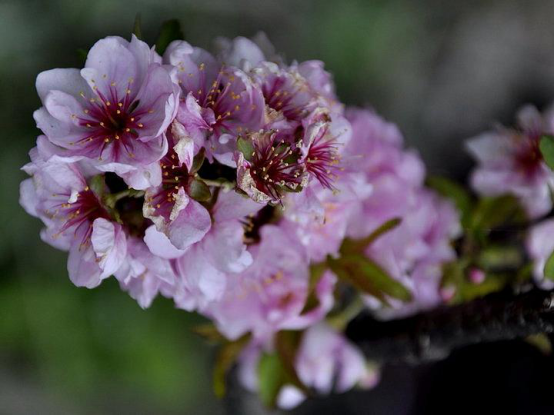
How to Grow and Care for Dwarf Flowering Cherry (Prunus japonica)
I. Temperature: The dwarf flowering cherry (Prunus japonica) is native to China. Unlike its delicate appearance, it can grow strongly even in the three northeastern provinces, so its vitality is extremely tenacious, and it is a very easy plant to keep alive! However, the dwarf flowering cherry prefers a warm and humid environment
-
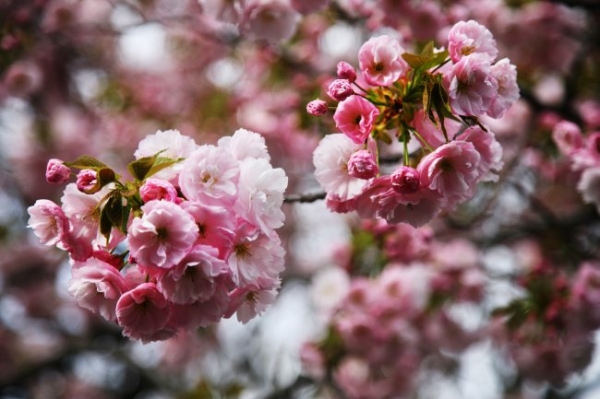
How many years does a cherry tree generally take to bloom after planting?
If you buy a cherry sapling from a market or nursery, it will generally bloom in the same year it is planted. If it is a sapling you propagated yourself by grafting, it will bloom the following year. Moreover, the cherry tree grows at a moderate rate, so remember not to try to pull up the seedlings to help them grow - be patient and wait for it to bloom. So
-
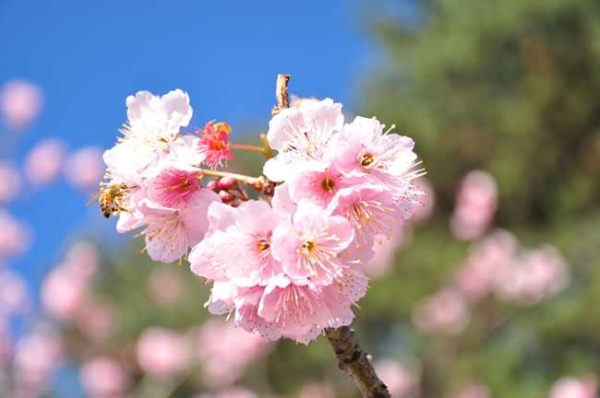
A detailed guide to planting cherry blossom trees, teaching you to grow cherry blossoms with ease
Cherry blossom trees should be grown in a pit. Before planting, dig a pit half a meter deep, fill it with 10 cm of fertilizer, and then plant. Note that when filling the soil, you can first gently lift the seedling roots upward so that the seedling roots spread out fully, then firm the soil, and then use a frame to support the seedling to prevent it from being blown over by strong winds
条件筛选