-
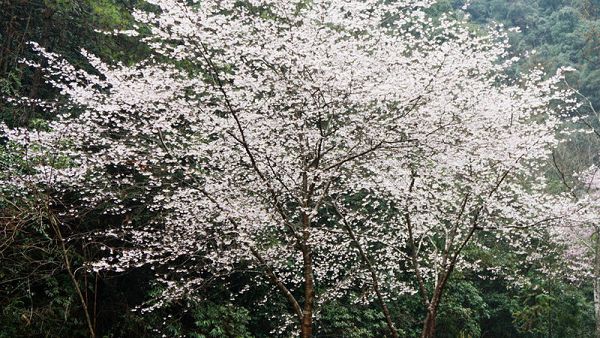
Detailed Explanation of Cherry Tree Cultivation Techniques and Management Methods
Cherry Tree Cultivation Techniques and Management
-
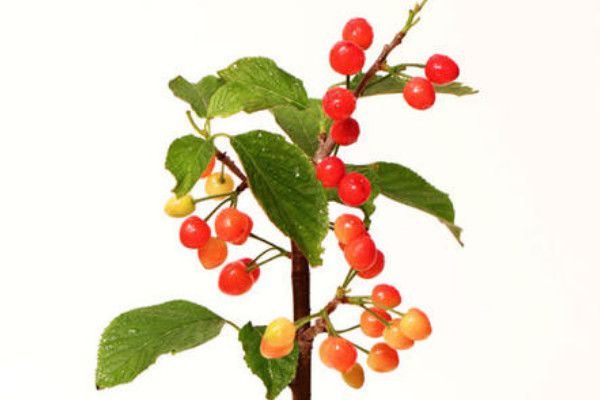
How to grow and care for potted ornamental cherry trees: methods and precautions
How to grow a potted ornamental cherry tree
-
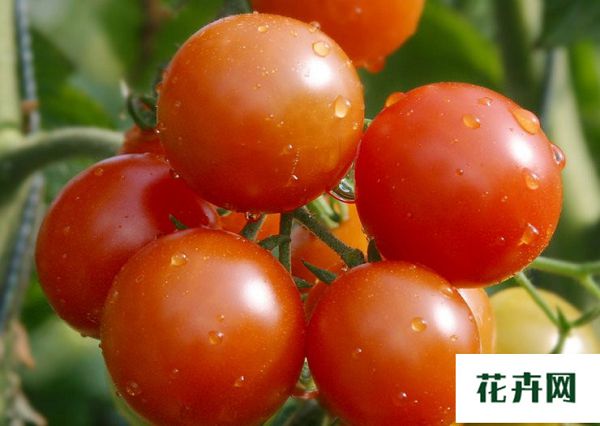
How to grow cherry tomatoes? Detailed guide to cultivation methods and precautions
Cherry tomato cultivation methods and precautions
-
-
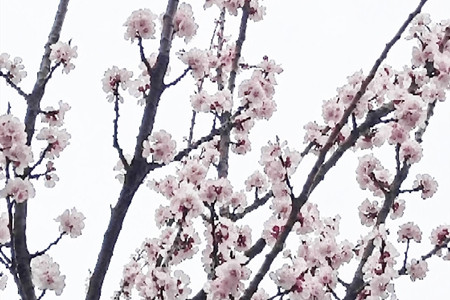
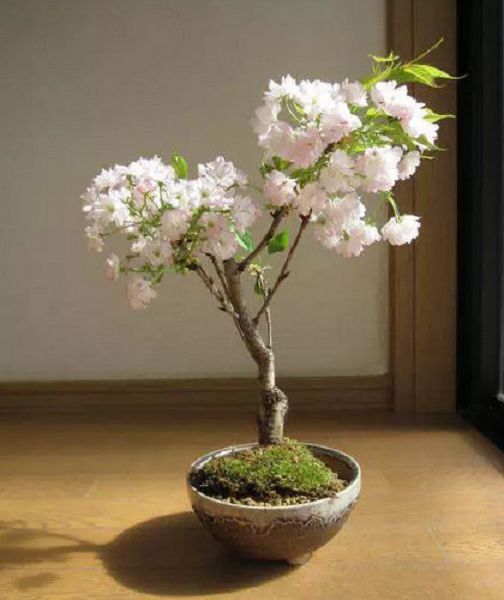
When do Chinese cherry blossoms bloom? How are they different from Japanese cherry blossoms
The blooming time of Chinese cherry blossoms and how they differ from Japanese cherry blossoms
-

What are the common methods for preventing and controlling cherry blossom pests and diseases?
There are many types of cherry blossom pests and diseases. The common ones are described below: Perforation-type brown spot disease occurs in May and June. Small purple-brown spots appear on the leaves, then gradually expand into circles. After the diseased spots dry and shrink, they become small holes. The pathogen mostly overwinters on diseased branches and leaves. The optimum temperature for its development is 25°C to 28°C. It spreads by wind, and rainy seasons favor infection and disease development. When the tree is weak, drainage is poor, and ventilation and light penetration are poor, the disease occurs severely. Control methods: (1) Strengthen cultivation management, prune and trim reasonably
-
A Detailed Guide to Common Cherry Blossom Diseases and Care Management Methods
1. Cherry blossom leaves are glossy, thick and green in spring, evergreen in summer, and turn red in autumn. These are all signs of vigorous growth in cherry blossoms, and they also indicate that the cherry blossom's flowering the following year will be relatively ideal. 2. ① The cherry blossom trunk shows symptoms of gummosis. This phenomenon is not a disease, but is caused by moths boring into the trunk to lay eggs. The eggs should be promptly dug out with a knife and medication injected, while also improving the soil, strengthening water and fertilizer management, and pruning rationally. ② Many mushroom-like and moss-like growths appear on the trunk. This indicates that many pathogens have invaded the branches of the cherry tree
-
Detailed Explanation of Key Techniques for Large-Branch Cutting Propagation of Cherry Blossoms
Cherry blossom propagation previously generally used cherry as rootstock in spring for branch grafting. This method is relatively labor- and material-intensive and is not suitable for the large demand for seedlings in rapidly developing landscaping. In recent years, we have carried out large-branch cutting propagation for seedling cultivation and achieved good results. 1. Selection of cuttings: Select young and robust mother trees, cut annual thick branches from the middle-upper outer part of the canopy, retain the top shoot, cut into 30-40 cm long cuttings, and cut the lower end into a slanted opening. Cuttings cut on the same day must be inserted on the same day, so as
-
Detailed Explanation of Key Techniques for Cherry Blossom Propagation and Cultivation
Propagation Methods Cherry blossoms are mainly propagated by grafting, and in a few cases by layering or cuttings, but the survival rate is relatively low. Grafting mainly uses bud grafting and branch grafting. The rootstock is mainly cherry, but seedlings of Oshima cherry, Prunus itosakura, peach, apricot, etc. can also be used. If cherry is used as the rootstock, after harvesting the cherries, remove the flesh, wash them clean, and do not dry them in the air; stratify them in moist sand. If the seeds dry out, the germination rate will be affected. Sow in autumn or early spring of the following year. By autumn, the sturdy seedlings can be used as rootstock for bud grafting. After the bud graft takes, do not
-
Symptom Identification and Control Methods of Crown Gall Disease in Cherry Blossoms
Cherry blossoms are distributed in China's Liaoning, Hebei, Anhui, Jiangxi, Zhejiang, Jiangsu and Guizhou; they are also widely distributed in Japan and Korea. They prefer light and deep, fertile, well-drained soil, and have weak resistance to smoke and dust, harmful gases and sea breeze. They have a certain degree of cold tolerance, a relatively shallow root system, and are easy to cultivate. Cherry blossoms bloom profusely in spring and are very beautiful. They are suitable for planting on hillsides, in courtyards, in front of buildings and beside garden paths. This disease is a common and serious disease of cherry blossoms, occurring widely in areas where cherry blossoms have been introduced. Zhengzhou, Chengdu, Hangzhou, Jinan, Wu
条件筛选