-
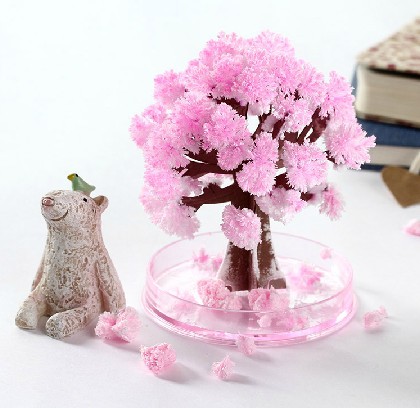
How to grow potted cherry blossoms? Management methods and pest and disease control techniques
Cherry blossoms can be grown in pots. In most regions of our country, cherry blossoms are suitable for ground planting and are rarely potted. Cherry blossom varieties suitable for potting include 'Xuri', 'Douying' (Fuji cherry), 'Yujin', 'Yuyihuang', and others. The following measures must be taken when growing potted cherry blossoms to achieve abundant flowers and lush foliage. Soil: For potted cherry blossoms, the first step is to prepare the soil.
-
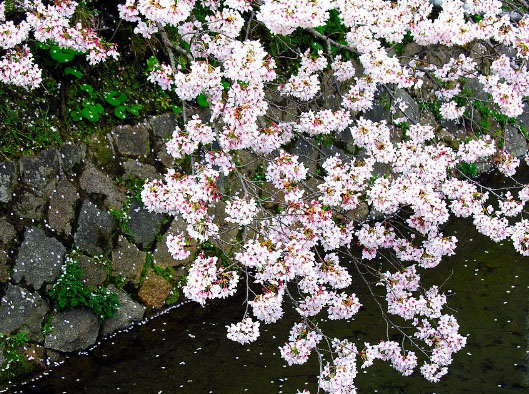
Symptoms and Control Methods of Cherry Blossom Shot Hole Brown Spot Disease
Symptoms and pathological changes: This disease mainly occurs on mature leaves. When the disease develops, it gradually spreads from the lower leaves upward. It begins with needle-tip-sized purple-brown spots appearing on the leaf surface, then the lesions expand into concentric round brown spots 3-5 mm in size, and a light brown abscission layer forms at the edge of the lesions. Later the lesion area falls off
-
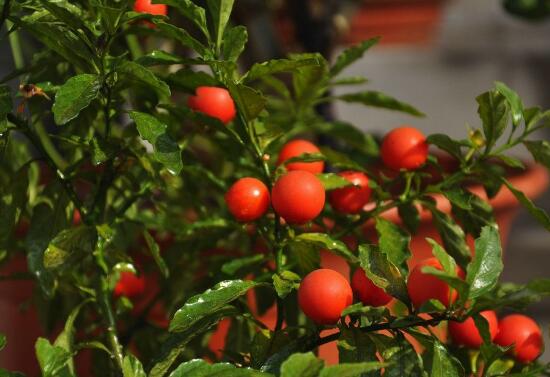
Pruning Methods for Jerusalem Cherry: Pruning After the Fruit Ripens Makes It Look Better
Indoors, many plant lovers keep a pot of Jerusalem cherry (Solanum pseudocapsicum). It blooms abundantly and bears plentiful fruit, and set off by its emerald green leaves, it looks absolutely beautiful! But lovely as it is, once it gets older it starts to look ugly, so proper pruning becomes very important. So how do you prune Jerusalem cherry to make it look good?
-
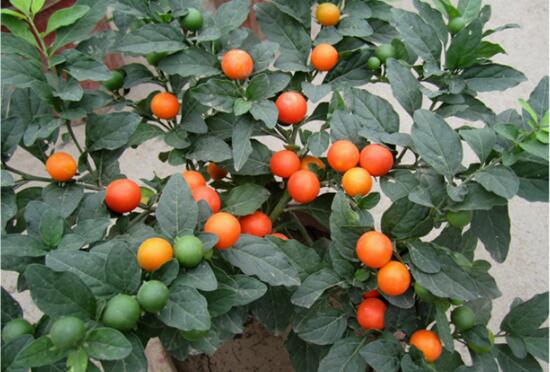
What to do when winter cherry only blooms but does not bear fruit? Control water and fertilizer properly and pollinate by hand
As a common indoor potted plant, winter cherry has excellent ornamental value, especially its fruit that is present in all four seasons, bright red and small, looking incomparably beautiful. But during the growing process, some flower lovers' winter cherry grows very well, and the flowers also bloom very well, yet the most ornamental fruit is nowhere to be seen! So
-
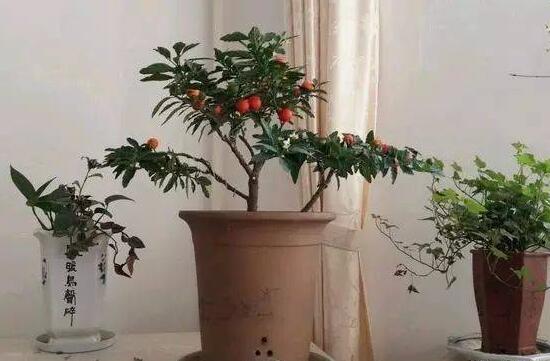
How to grow Jerusalem cherry? Master the cultivation methods and precautions that don't fear strong light
As a beautiful indoor potted plant, Jerusalem cherry should be familiar to flower lovers. It bears fruit all year round, so it is also called the four-season berry. In daily life, many people choose to keep a pot of Jerusalem cherry at home, so how do you grow Jerusalem cherry? For this, the editor has carefully compiled the cultivation methods and precautions for Jerusalem cherry
-
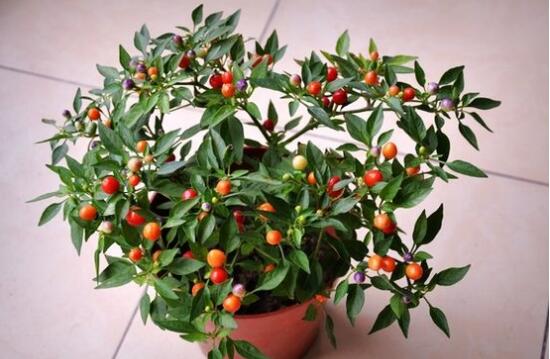
What to Do When Winter Cherry Gets Pests? Aphid and Anthracnose Control Methods
Winter cherry (Solanum pseudocapsicum), an indoor potted plant with excellent ornamental value, has strong adaptability and is very easy to grow at home, which is why it is so popular among flower enthusiasts. However, during the growing process, since most flower enthusiasts are beginners, improper care is very likely to occur, resulting in pests and diseases on the plant. So, what should you do when winter cherry gets pests?
-
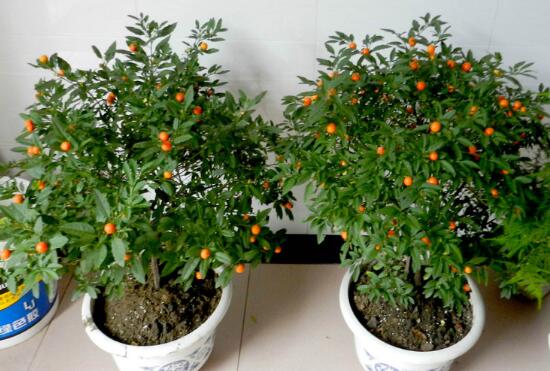
How to Propagate Jerusalem Cherry? Detailed Guide to Two Methods: Cuttings and Sowing
Jerusalem cherry, a very beautiful plant, is also known as the four-season berry because of its cute fruit that is present in all four seasons. Because Jerusalem cherry looks very attractive indoors, many people keep it at home. But is one pot of Jerusalem cherry too monotonous? It is time to propagate another pot. So how do you propagate Jerusalem cherry?
-
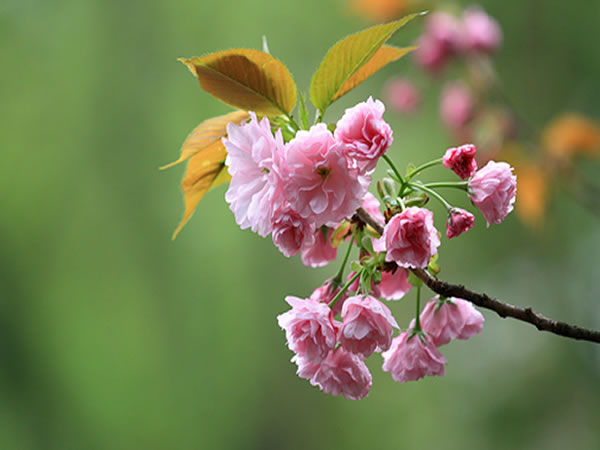
What are the common pests and diseases of Japanese late cherry?
Root nodule disease The site where root nodule disease occurs is on the ground or near the root crown close to the ground, thereby causing stunted plants and poor growth. When the disease occurs, root nodules of various shapes form on the roots of the plant, appearing brown, with rough epidermis often accompanied by cracking. Anthracnose In the early stage of anthracnose
-

What are the pest and disease control methods for Prunus x cistena (purple-leaf sand cherry)?
1. Disease control methods. A strict inspection system must be implemented, and inspections must be carried out before the transport of seedlings. Once crown gall disease is found, the trees must be destroyed immediately, and the site where the diseased trees were planted must be thoroughly disinfected with quicklime or bleaching powder and other agents. Within one week after disinfection, no new seedlings should be planted in that soil.
-
What are the common pests and diseases of the purple-leaf sand cherry?
1. Diseases. The common disease of the purple-leaf sand cherry is crown gall, a bacterial disease. Once infected, it causes the root stem mass of the purple-leaf sand cherry to overgrow into a gall-like shape, which is why it is called crown gall. This bacterium mainly spreads when watering trees, through rainwater and during the transport of seedlings, entering through tree wounds to cause disease.
条件筛选