Pests and Diseases of Jerusalem Cherry and Their Control Methods
1. Diseases.
When growing Jerusalem cherry, note that it is prone to anthracnose during periods of high summer heat. This disease is generally caused by fungal infection. Every year in June and July, not only are temperatures high but there is also plenty of rain, and air humidity is high, so Jerusalem cherry is extremely susceptible to anthracnose during this season.
Control methods: When planting, choose healthy, superior Jerusalem cherry plants. Do not place potted plants too close together; maintain good ventilation so that bacteria do not easily breed. If Jerusalem cherry has already developed anthracnose, promptly cut off the diseased branches and burn them to prevent reinfection and recurrence. At the same time, spray the Jerusalem cherry plants with medication for control.
2. Pests.
The pest that most easily affects Jerusalem cherry is the aphid. These insects bite the tender leaves of Jerusalem cherry and absorb its nutrients, causing nutrient deficiency in the plant. If aphids bite the roots of Jerusalem cherry, it can easily cause the plant to die. Therefore, when growing Jerusalem cherry, pay attention to checking whether the plants have black or green aphids. Once discovered, immediately spray insecticide to kill them to prevent the pest from spreading.
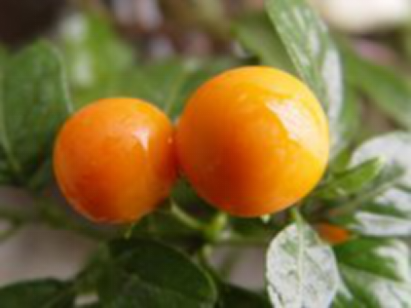
Control of Pests and Diseases of Jerusalem Cherry
Potted Jerusalem cherry is prone to anthracnose during periods of high summer heat
It mainly harms the leaves, and can also harm the stems. Its symptoms: it occurs on the leaves. In the early stage of the disease, round lesions appear on the leaves, changing from round reddish-brown to grayish-white, then to dark brown, and producing black dots arranged in concentric rings, which are the pathogen's acervuli. This disease occurs at the leaf margins and leaf tips, and in severe cases the leaves wither, turn black, and die.
The pathogen is a fungal disease. The pathogen overwinters as mycelium in parasitic remains or in the soil. Old leaves begin to show symptoms from late April to early May, the disease develops rapidly from June to July, and is more severe during the rainy season. New leaves begin to show symptoms from August. When potted flowers are placed too close together and leaves overlap, the disease spreads easily, but disease resistance varies among varieties.
Control methods:
1. Disease control:
① Select excellent disease-resistant varieties.
② In the early stage of the disease, cut off diseased leaves and burn them promptly to prevent the pathogen from expanding and spreading. Avoid placing plants too close together and avoid overhead watering, and always maintain ventilation and light penetration.
③ In the early stage of the disease, spray with a 700-800 times dilution of 50% carbendazim wettable powder or a 500 times dilution of 75% chlorothalonil.
2. Pest control: In Xizang, the main pest of Jerusalem cherry is the aphid. It is small, green or black, and often gathers in clusters on the tender branches and leaves of many flowers to suck nutrients.
Control method: Spray with a 2000 times dilution of 40% omethoate emulsifiable concentrate or a 1500-2000 times dilution of 50% dichlorvos emulsifiable concentrate.
Pests and Diseases of Jerusalem Cherry and Their Control
Diseases of Jerusalem Cherry and Their Control
When growing potted Jerusalem cherry, we should pay attention during periods of high summer heat, as Jerusalem cherry is prone to anthracnose at such times. Anthracnose is caused by fungal infection, and the period from June to July is the rainy season of the year. During this time, air humidity is very high and temperatures are relatively high. This environment is very suitable for bacterial growth, so fungal infections are very likely to occur during this period.
To prevent anthracnose in Jerusalem cherry, we should choose excellent, robust Jerusalem cherry plants for planting, and should not place the pots of Jerusalem cherry too close together, as poor ventilation makes it easy for bacteria to breed and cause fungal infection. Once Jerusalem cherry develops anthracnose, immediately cut off the diseased branches and leaves, and preferably burn the diseased branches to avoid reinfection. At the same time, spray the sick Jerusalem cherry with medication, such as carbendazim and the like.
Pests of Jerusalem Cherry and Their Control
Jerusalem cherry is generally fairly susceptible to aphid infestation. Aphids mainly gnaw on the tender leaves of Jerusalem cherry and suck its nutrients, causing malnutrition in the plant. If they gnaw on the roots of Jerusalem cherry, they can also cause the plant to die. When we care for Jerusalem cherry in daily life, we should pay attention to observing whether the Jerusalem cherry is infested by aphids. Aphids are very small, generally black or green. When we find similar insects, we should take note and kill them promptly. Generally, when aphids appear, ordinary insecticides for plants can be used.