-
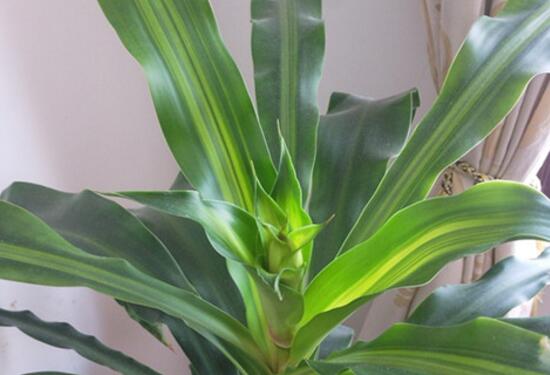
What to do when the Brazil wood plant's leaves turn yellow? Controlling water, adding light and changing the soil will solve it
The Brazil wood plant (Dracaena fragrans), a plant with a handsome, well-proportioned form, has emerald-green leaves that grow just like agave leaves, making it highly ornamental. In everyday life, many people grow Brazil wood plants, but during cultivation, many flower growers cause the leaves of the Brazil wood plant to turn yellow through improper care, seriously harming its ornamental value
-
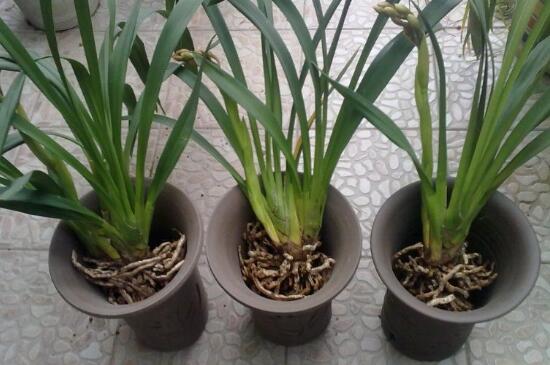
How to repot Cymbidium orchids? Method for trimming roots and changing potting soil after flowering
As one of the most beautiful orchid varieties, Cymbidium orchids are kept in many people's homes. To grow them well, there are some care techniques everyone must master, including repotting. During cultivation, it is best to repot Cymbidium orchids once a year. So how do you repot a Cymbidium orchid?
-
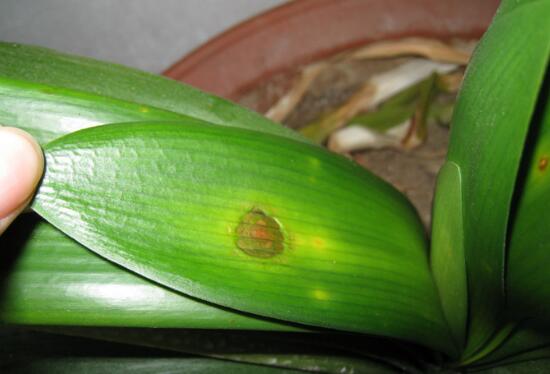
What to Do When Clivia Leaves Develop Spots? Spraying Fungicide, Changing Soil, and Reasonable Fertilization Are Key
The benefits of growing Clivia are something anyone who has kept one will deeply appreciate. Its leaves are thick, fleshy, and emerald green, making it highly ornamental, and it also has good feng shui significance, making it very suitable for indoor growing. However, during cultivation, for various reasons, the plant's leaves can develop spots. So what should you do when Clivia leaves develop spots? In response,
-
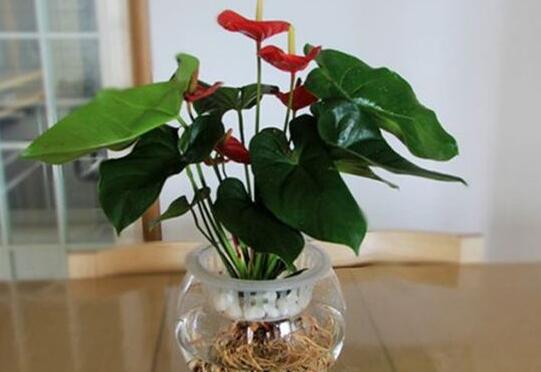
How to grow Anthurium in water? Changing the water and water temperature are key
Anthurium is a plant that loves humid environments, so many people want to grow it in water. So can Anthurium be grown in water? How should Anthurium be grown in water to do well? Today, the editor will teach you the hydroponic method for Anthurium, as well as the daily care after hydroponics. Can Anthurium be grown in water? Among the functions and benefits of Anthurium
-
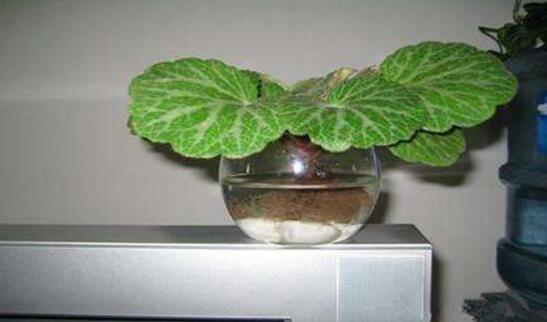
Can Saxifraga stolonifera be grown hydroponically? Hydroponic methods and things to note such as changing the water frequently
Saxifraga stolonifera can adapt to many kinds of environments, so it is considered one of the easiest plants to grow. Besides growing it in pots, some people want to grow it hydroponically, so can Saxifraga stolonifera be grown hydroponically? The answer is yes, but before that you should understand the hydroponic methods and things to note for Saxifraga stolonifera
-

Can narcissus be grown hydroponically all year round? Cultivation methods and key points for changing the water
Narcissus, a very special flower, not only blooms in winter, but is also more suited to hydroponic growing. Generally speaking, give a narcissus a pot of water and it will produce beautiful flowers. However, when it comes to hydroponics, beginners have quite a few questions, such as: can narcissus be grown hydroponically all year round? On this point
-
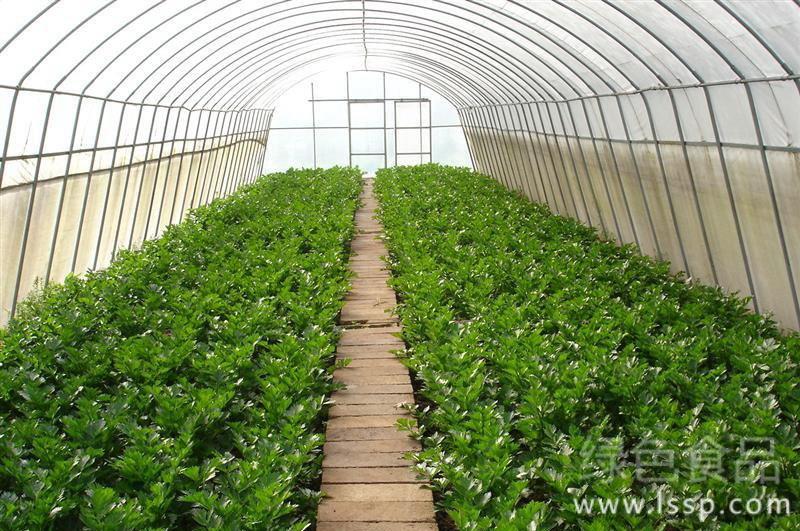
Six common mistakes to avoid when changing greenhouse film, vegetable growers should steer clear of them
Six common mistakes vegetable growers make when changing greenhouse film
-
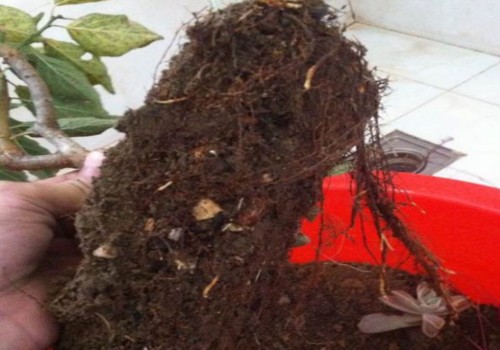
The correct method and operating steps for changing the soil of a plum blossom bonsai
Plum blossom is a flowering plant with fairly strong ornamental value, very suitable for flower viewing. After being trained into a bonsai, it can also be appreciated for its form and even its roots. Moreover, plum blossom is not strict about potting soil; usually, as long as it can meet the conditions of being fertile and loose, breathable and well-draining, it can often survive. But after all, it is grown in a pot
-
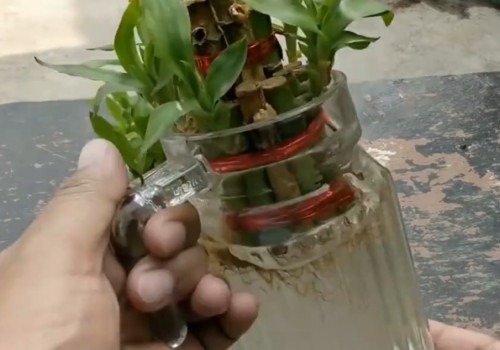
What are the precautions for changing the water of hydroponic lucky bamboo?
Hydroponic lucky bamboo not only makes the environment look clean and tidy, but is also very easy to care for, generally requiring only a change of water. However, when changing the water, we also need to master certain techniques and not do it blindly, otherwise it may have a negative impact on the plant's growth. So
-
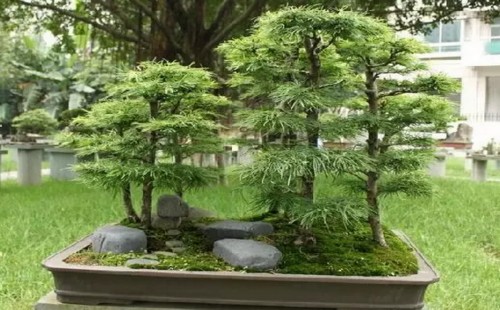
How Can Bonsai Be Grown Without Changing the Soil? A Practical Method Explained
Bonsai not only needs to be well made, but also requires good follow-up care and management. Traditionally speaking, bonsai plants usually need a soil change after being grown for 2-3 years or 4-5 years, because after a plant has been grown for a long time, the potting soil will become compacted to varying degrees, affecting the application and absorption of water and fertilizer
条件筛选