What to do when the Brazil wood plant's leaves turn yellow? Controlling water, adding light and changing the soil will solve it
The Brazil wood plant (Dracaena fragrans), a plant with a handsome, well-proportioned form, has emerald-green leaves that grow just like agave leaves, making it highly ornamental. In everyday life, many people grow Brazil wood plants, but during cultivation, many flower growers cause the leaves of the Brazil wood plant to turn yellow through improper care, seriously harming its ornamental value. So what should you do when the Brazil wood plant's leaves turn yellow? Today the editor will solve this problem.
1. When the Brazil wood plant's leaves turn yellow, find the cause
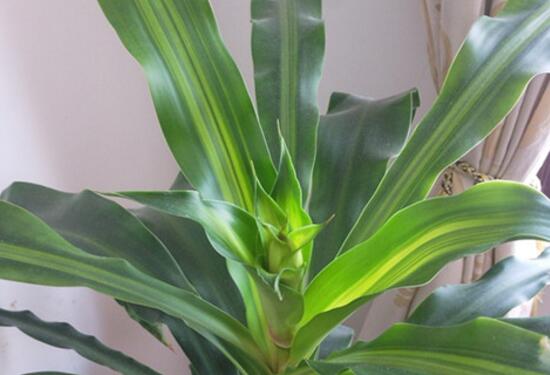
As a beautiful foliage plant, the Brazil wood plant is very easy to grow, but because there are many beginners, they inevitably make oversights that cause yellow leaves to appear, harming the plant's ornamental value. So what should you do when the Brazil wood plant's leaves turn yellow? At this point you just need to calmly find the cause and take remedial measures; the Brazil wood plant can still be saved.
2. Causes of yellowing leaves in the Brazil wood plant and solutions
1. Sudden environmental change
There are many causes of yellowing leaves in the Brazil wood plant, and you can first consider whether the growing environment is the problem. Because nowadays many flower growers buy their potted Brazil wood plants online, this can lead to a relatively large environmental change that the plant cannot adapt to right away, causing yellow leaf symptoms.
Solution: Very simple; ask the shop about the Brazil wood plant's previous growing environment, then recreate a similar environment at home. Because the Brazil wood plant is highly adaptable, it will recover before long, and after that you can change things slowly until it adapts to the current environment, then just care for it normally.
2. Overwatering
When it comes to yellowing leaves in the Brazil wood plant, the most likely cause is overwatering. It is said that the Brazil wood plant likes a humid environment, but it hates waterlogging, and beginners find it hard to judge the right amount when watering, so the result is too much water, creating waterlogged conditions and causing yellow leaves to appear.
Solution: Take the plant out of its pot, let it dry in the sun, and replant it once the potting soil has dried. After that, be careful to control the amount of water, pay attention to ventilation, and keep the soil permeable.
3. Insufficient light
The growth of the Brazil wood plant requires plenty of light; once light is too little, the symptom of yellowing leaves appears, and it loses its ornamental value. The cause of this phenomenon is generally that the grower has placed the Brazil wood plant in a spot with poor light; this is fine in the short term, but problems arise over time.
Solution: Very simple; move the Brazil wood plant to a sunny spot for care, then move it back after a while, so that neither care nor display is neglected. Of course, in summer, when the light is strong, you should also shade it appropriately.
4. Failure to prune in time
When the Brazil wood plant grows indoors, if water and fertilizer are appropriate, it will grow very fast. When the Brazil wood plant grows very vigorously and growers do not prune it in time, the inner branches and leaves end up short of light, and the result is that the Brazil wood plant's leaves turn yellow.
Solution: In this situation, we should promptly prune the branches and leaves, apply fertilizer, and carry out careful care; I believe the green leaves will soon return.
5. Soil or water on the alkaline side
The Brazil wood plant likes to grow in slightly acidic soil. If the soil is on the alkaline side, or long-term watering with purified water makes the soil alkaline, the plant cannot absorb iron, and yellow leaf symptoms appear.
Solution: Don't overthink it; just change the potting soil, replacing it with suitable soil, and ease the problem by watering with some special fertilizer.
Overall, the Brazil wood plant is very easy to grow, but because many flower growers are beginners, yellow leaf symptoms inevitably appear. Still, after reading this whole article, I believe you now have a clearer idea; when yellow leaf problems appear, just remedy them using the methods above. That is all the editor has to share about yellowing leaves in the Brazil wood plant, and I hope it helps everyone.
What to do when the Brazil wood plant's leaves turn yellow? Causes of yellowing leaves in the Brazil wood plant
The Brazil wood plant is a common indoor green potted plant, used to express good wishes. Growing the Brazil wood plant is not difficult, but if the details are not handled well, yellow leaves will appear. Below is a summary of the issues affecting yellowing leaves in the Brazil wood plant; I hope this analysis is helpful to flower growers cultivating Brazil wood plants.
Cause 1 of yellowing leaves in the Brazil wood plant: Insufficient water supplyIn spring and summer, try not to place it in a drafty spot indoors; if the air flows too fast, it easily speeds up water evaporation from the leaves, and when the roots cannot keep up with the water supply, the leaves easily lose water and dry up.
2. Air humidity too lowCreate a humid microclimate for the Brazil wood plant; regularly mist the leaves or the area around the plant to raise air humidity, or put pebbles and clean water in a tray under the pot.
3. Too much waterToo much water in the pot easily causes root rot, which leads to scorched leaf edges. Therefore, when potting, make a good drainage layer, and mix coarse sand into the potting soil to help drainage. The amount of water should be appropriate and adjusted according to the season; water only after the surface soil has dried out, and water less in winter.
4. Excessive fertilizingSome flower growers like to spray foliage fertilizer for foliage plants; be sure to watch the frequency and amount, because too strong or too frequent applications easily burn the leaves and leave spots.
5. Harsh sun exposureIn summer, avoid direct strong light to prevent scorched edges.
6. Cold damage in winterIn winter, room temperature must not be lower than 5°C, otherwise black-brown spots easily appear on the leaf tips too.
What to do when the Brazil wood plant's leaves turn yellow 1. Soil or water on the alkaline sideThe Brazil wood plant likes to grow in slightly acidic soil; if the pH of the soil is unsuitable, it is very likely to cause the leaves to turn yellow. For this situation, it is recommended to choose suitable soil when planting and to ease the problem by watering with some special fertilizer.
2. OverwateringThe Brazil wood plant has relatively high requirements for the surrounding air humidity, but that does not mean its water demand is also high. If during daily care the amount of water is not controlled well and waterlogging occurs, the leaves of the Brazil wood plant will also turn yellow. For this situation, the best solution is to control the amount of water, pay attention to ventilation, and keep the soil permeable.
3. Insufficient lightThe Brazil wood plant likes sunlight. Many people, in order to enjoy it indoors, place the Brazil wood plant in a spot with poor light. In this situation, it is fine in the short term, but if it goes on too long, it will also cause the leaves of the Brazil wood plant to turn yellow. The specific solution is very simple: after a period, put the Brazil wood plant in a sunny spot for care, then move it back after a while, so that neither care nor display is neglected.
4. Poor ventilationIf the leaves of the Brazil wood plant grow luxuriantly and it goes a long time without pruning, the inner branches and leaves end up short of light. At this point, we should promptly prune the branches and leaves, apply fertilizer, and carry out careful care; I believe the green leaves will soon return.
What to do when the Brazil wood plant's leaves turn yellow
1. Soil or water on the alkaline side
The Brazil wood plant likes to grow in slightly acidic soil; if the pH of the soil is unsuitable, it is very likely to cause the leaves to turn yellow. For this situation, it is recommended to choose suitable soil when planting and to ease the problem by watering with some special fertilizer.
2. Overwatering
The Brazil wood plant has relatively high requirements for the surrounding air humidity, but that does not mean its water demand is also high. If during daily care the amount of water is not controlled well and waterlogging occurs, the leaves of the Brazil wood plant will also turn yellow. For this situation, the best solution is to control the amount of water, pay attention to ventilation, and keep the soil permeable.
3. Insufficient light
The Brazil wood plant likes sunlight. Many people, in order to enjoy it indoors, place the Brazil wood plant in a spot with poor light. In this situation, it is fine in the short term, but if it goes on too long, it will also cause the leaves of the Brazil wood plant to turn yellow. The specific solution is very simple: after a period, put the Brazil wood plant in a sunny spot for care, then move it back after a while, so that neither care nor display is neglected.
4. Poor ventilation
If the leaves of the Brazil wood plant grow luxuriantly and it goes a long time without pruning, the inner branches and leaves end up short of light. At this point, we should promptly prune the branches and leaves, apply fertilizer, and carry out careful care; I believe the green leaves will soon return.
The above is an introduction to what to do when the Brazil wood plant's leaves turn yellow. Below, let's look at the points to note when growing the Brazil wood plant!