-
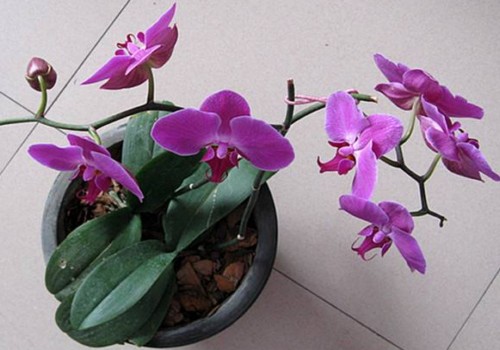
Phalaenopsis keeps getting root rot? Try changing the growing medium
Many gardening friends love Phalaenopsis, but just cannot grow it well, especially in pots, where growing Phalaenopsis well seems to become fraught with difficulties. In fact, when all the problems are summed up together, it comes down to root rot, and the most direct and main cause of root rot is watering. It can be said that failing to grow Phalaenopsis well
-

The correct method for repotting and changing the soil of stump bonsai
After a stump bonsai has grown for some time, its roots fill the potting soil, crisscrossing to the point that their ability to absorb fertilizer and water weakens; at the same time, the nutrient elements in the potting soil become fewer and fewer, which is unfavorable to the growth of the stump, so repotting and changing the soil are necessary. Repotting is generally carried out in September in autumn or from early spring to Qingming
-
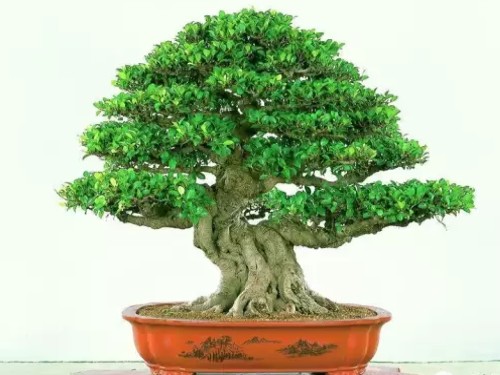
The correct method for repotting and changing the soil of a bonsai ficus
Many trees are repotted during their dormant period or slow-growth period. At this time, the tree's new roots have not yet grown, so repotting will not touch the new roots, avoiding bruising the new roots and causing root rot. After repotting, it is beneficial to the growth of new roots, and the new roots absorb nutrients from the freshly replaced nutrient soil, promoting healthy growth of the tree
-
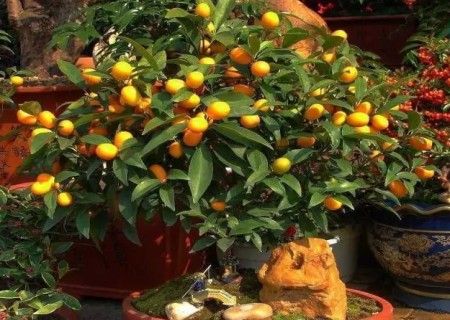
A Detailed Guide to the Correct Method of Repotting and Changing Soil for Fruit Tree Bonsai
To ensure fruit trees retain high ornamental value every year, the repotting frequency and timing must be chosen sensibly. If the repotting frequency is too high, the branches will grow vigorously, resulting in fewer fruits forming that year; if the repotting frequency is too low, the nutrients in the potting soil will be exhausted
-
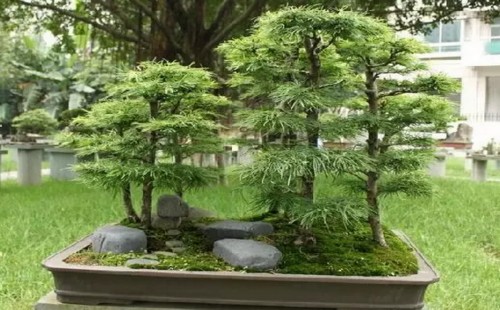
How Can Bonsai Be Grown Without Changing the Soil? A Practical Method Explained
Bonsai not only needs to be well made, but also requires good follow-up care and management. Traditionally speaking, bonsai plants usually need a soil change after being grown for 2-3 years or 4-5 years, because after a plant has been grown for a long time, the potting soil will become compacted to varying degrees, affecting the application and absorption of water and fertilizer
-
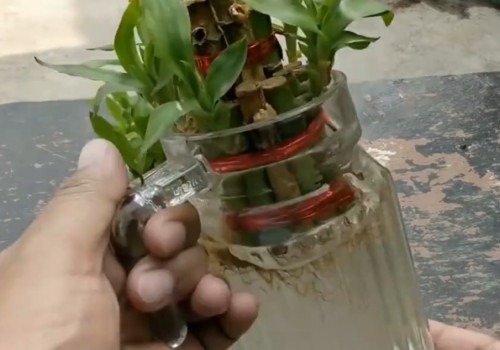
What are the precautions for changing the water of hydroponic lucky bamboo?
Hydroponic lucky bamboo not only makes the environment look clean and tidy, but is also very easy to care for, generally requiring only a change of water. However, when changing the water, we also need to master certain techniques and not do it blindly, otherwise it may have a negative impact on the plant's growth. So
-
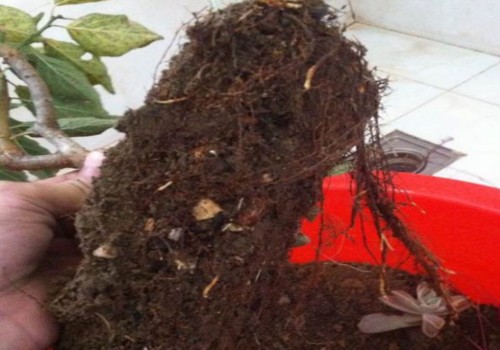
The correct method and operating steps for changing the soil of a plum blossom bonsai
Plum blossom is a flowering plant with fairly strong ornamental value, very suitable for flower viewing. After being trained into a bonsai, it can also be appreciated for its form and even its roots. Moreover, plum blossom is not strict about potting soil; usually, as long as it can meet the conditions of being fertile and loose, breathable and well-draining, it can often survive. But after all, it is grown in a pot
-
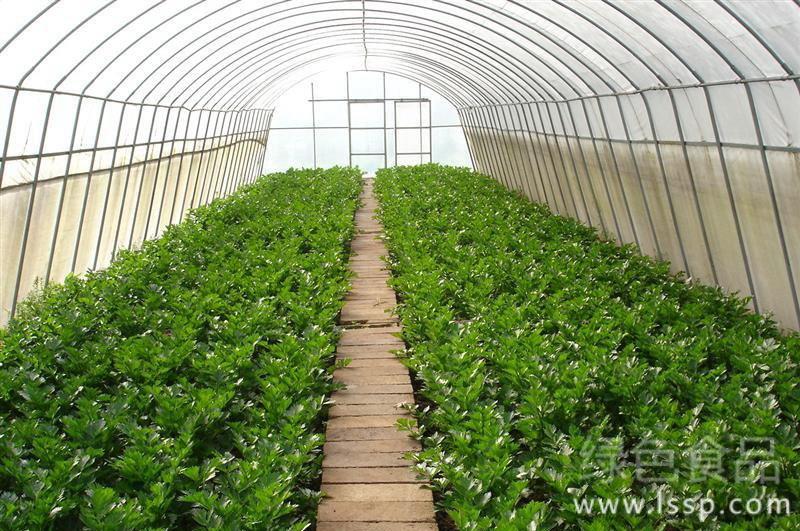
Six common mistakes to avoid when changing greenhouse film, vegetable growers should steer clear of them
Six common mistakes vegetable growers make when changing greenhouse film
-
Can narcissus be grown hydroponically all year round? Cultivation methods and key points for changing the water
Narcissus, a very special flower, not only blooms in winter, but is also more suited to hydroponic growing. Generally speaking, give a narcissus a pot of water and it will produce beautiful flowers. However, when it comes to hydroponics, beginners have quite a few questions, such as: can narcissus be grown hydroponically all year round? On this point
-
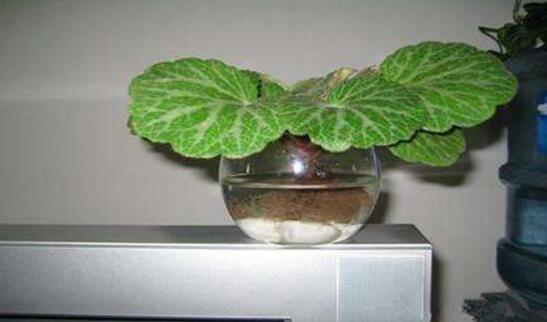
Can Saxifraga stolonifera be grown hydroponically? Hydroponic methods and things to note such as changing the water frequently
Saxifraga stolonifera can adapt to many kinds of environments, so it is considered one of the easiest plants to grow. Besides growing it in pots, some people want to grow it hydroponically, so can Saxifraga stolonifera be grown hydroponically? The answer is yes, but before that you should understand the hydroponic methods and things to note for Saxifraga stolonifera
条件筛选