Six common mistakes to avoid when changing greenhouse film, vegetable growers should steer clear of them
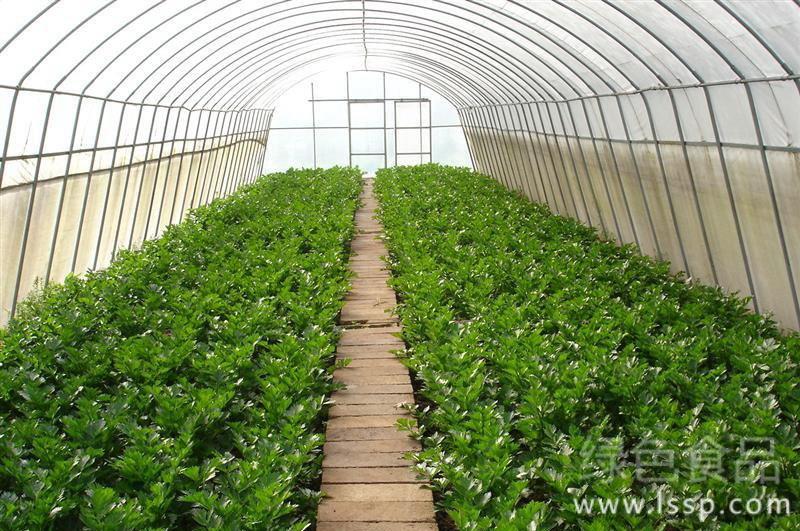
Greenhouse vegetables
As the weather turns cooler and light grows weaker, many vegetable grower friends are preparing to change the film on their greenhouses. However, some improper practices by vegetable growers when changing greenhouse film are not conducive to extending the service life of the film.
Mistake one:Not paying attention to bamboo pole maintenance before changing the film. The bamboo poles of a greenhouse must bear the heavy pressure of straw mats, and when snowy weather hits, the load-bearing force increases greatly, causing some film-supporting bamboo poles to be split or broken under pressure. Such bamboo poles must be maintained or replaced promptly. For bamboo poles that have already been broken under pressure, you can remove and replace them, or attach another pole beside the broken one, and wrap the original broken part with cloth strips to prevent it from puncturing the greenhouse film. For bamboo poles that only have cracks and can still be used, simply wrap them with cloth strips.
Mistake two:East-west steel wires pressed directly into the gable walls. When installing east-west film-pressing steel wires for a greenhouse, some vegetable growers press the steel wires directly into the gable walls. When a wire tightener is used to pull the steel wire taut, the wire cuts into the gable wall, which is not conducive to securing it tightly. It is recommended to place old tires or shoe soles, etc., under the steel wire at the bottom against the gable wall to enlarge the force-bearing area of the steel wire and prevent the steel wire from cutting into the gable wall.
Mistake three:Film-pressing ropes pressed directly on the greenhouse film. When vegetable growers use film-pressing ropes to press the greenhouse film in a north-south direction, if the film-pressing ropes are pressed directly on the greenhouse surface, then when the straw mats are pulled or rolled up or when the wind blows, the film-pressing ropes swing, and over time, they will wear through the film at the junction between the greenhouse surface and the front part of the greenhouse. It is recommended that vegetable grower friends place old cloth, rubber tubing or PVC pipes, etc., at the junction between the greenhouse surface and the front part, or put plastic flexible tubing over the film-pressing ropes, to avoid direct contact between the film-pressing ropes and the greenhouse film, reduce the friction between the film-pressing ropes and the greenhouse film, and slow down the wear rate of the greenhouse film.
Changing greenhouse film
Mistake four:Removing the old film too early when changing the film. Some vegetable growers, when changing the film, are accustomed to first removing the old film, and after the steel wires, bamboo poles, etc., on the greenhouse surface have been maintained or replaced, then putting on the new film. During this period, however, the temperature and humidity inside the greenhouse undergo drastic changes, and some external pests also take the opportunity to fly into the greenhouse, thus planting hidden dangers for the occurrence and spread of some diseases and pests. Therefore, the time between removing the old film and putting on the new film must be shortened. It is recommended that vegetable growers prepare in advance the bamboo poles, etc., that need to be replaced, stretch the new film well in front of the greenhouse, then remove the old film, immediately swap in the bamboo poles that need to be replaced, and cover with the new film.
Mistake five:Using inferior film or old film for ventilation strips. In order to create a suitable growing environment for vegetables and ensure a suitable temperature inside the greenhouse in winter, vegetable growers generally use greenhouse film of relatively good quality, but for the ventilation strips at the top of the greenhouse they often use inferior film or old film. Inferior film and old film do not have good anti-fog and drip-flow properties in winter, and are prone to producing dew during ventilation, which leads to high air humidity inside the greenhouse and is not conducive to disease control. It is recommended to replace the film on the ventilation strips once a year, and switch to film of relatively good quality with strong anti-fog and drip-flow properties.
Mistake six:No covering at the greenhouse film on the two gable walls. After the greenhouse film is covered, some vegetable growers do not promptly set up coverings on the greenhouse film at the two gable walls. When vegetable growers pull or roll up the straw mats, most of them get on and off the greenhouse from the gable walls, which easily tears the greenhouse film there. Moreover, the greenhouse film on the gable walls directly contacts the soil and is more susceptible to erosion, affecting the insulation performance and service life of the greenhouse. It is recommended that after changing the greenhouse film, immediately cover the two gable walls with old straw mats and press them down with bricks or old cement posts. On the one hand, this can prevent vegetable growers from stepping on and tearing the greenhouse film when getting on and off the greenhouse; on the other hand, it can prevent vegetable growers from slipping when getting on and off the greenhouse in rain or snow, making walking easier.