What to Do When Clivia Leaves Develop Spots? Spraying Fungicide, Changing Soil, and Reasonable Fertilization Are Key
The benefits of growing Clivia are something anyone who has kept one will deeply appreciate. Its leaves are thick, fleshy, and emerald green, making it highly ornamental, and it also has good feng shui significance, making it very suitable for indoor growing. However, during cultivation, for various reasons, the plant's leaves can develop spots. So what should you do when Clivia leaves develop spots? In response, the editor has summarized 5 causes of leaf spotting. Let's take a look together.
I. What to Do When Clivia Leaves Develop Spots: Find the Cause
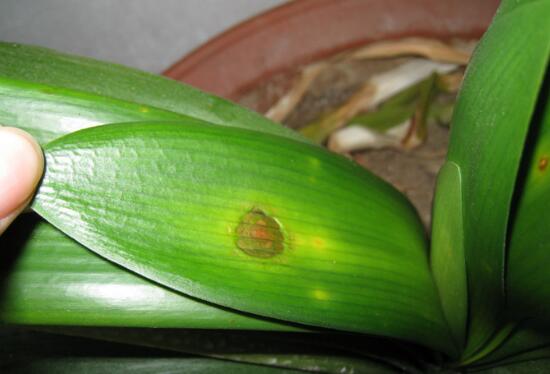
As a precious flowering plant, Clivia is generally placed in living rooms, studies, and other places for people to admire. But during cultivation, some growers find that yellow or brown small round spots appear on the leaves of their Clivia, which then gradually rot, and eventually the Clivia leaves or the entire plant rot away. So what should you do when Clivia leaves develop spots? The editor will address this from the aspects of water and fertilizer, light, and soil.
II. Causes of Spots on Clivia Leaves
1. Overwatering
Regarding the causes of spots on Clivia leaves, there are generally many. First, you can check the flower pot to see if you have been overwatering. Because once you water too much and water accumulates in the potting soil, it can easily cause Clivia root rot, which manifests above ground as spots on the leaves. At this point, you can consider changing the potting soil.
2. Improper Lighting
Clivia likes light but dislikes direct strong light. Once the plant is exposed to direct light for a long time, or receives no light for an extended period, leaf spotting can also occur. At this point, you should move the potted plant to a place with indirect sunlight.
3. Overfertilization
During the growth of Clivia, proper fertilization can help the plant grow better, but once you overfertilize, it will cause spots on the Clivia. In this case, you also need to repot it with fresh soil.
4. Imbalance of Nitrogen, Phosphorus, and Potassium
Overfertilizing is not good, but underfertilizing is also not good. Once nitrogen, phosphorus, and potassium are imbalanced, especially with insufficient potassium fertilizer, or when fertilizer directly contacts the roots during application, individual leaves can also develop spots.
5. Improper Soil Changing
In addition to the above points, spots on Clivia leaves can also be caused by improper soil changing. If the potting soil is not changed for a long time, the nutrients in the soil decrease and disease-causing bacteria are present. At this point, once the plant develops a wound, it is easily infected by bacteria and becomes diseased, resulting in spots on the leaves. In addition, if the new soil used for replacement is improper, contains pathogens, or is too raw, it can also cause spots on the leaves.
III. Solutions for Spots on Clivia Leaves
1. Pruning
Now that you know the causes of spots on Clivia leaves, the next step is to solve the problem. First, we need to cut off the diseased old leaves and keep the tender leaves in the middle, because diseased leaves not only affect the growth of other healthy leaves but also affect the overall appearance of the plant.
2. Changing the Soil
To solve the problem of spots on Clivia leaves, you can use the method of changing the soil. When changing the soil, wash the fleshy roots with clean water, let them dry, and then repot. If some leaves have already rotted beyond recognition, just cut them off.
3. Spraying Fungicide
If the leaf spots are caused by disease, you can spray a 500-1000 times diluted solution of Juntie (Tuzet), once every half month, and it will take effect after 3 to 4 consecutive sprays. However, Juntie is toxic, so be careful about safety when using it.
Why Do Clivia Leaves Develop Brown Spots? What to Do When Clivia Has Spots
Clivia leaf spot disease begins as small yellow spots on the leaves. The lesions enlarge, reaching a diameter of about 3-5 mm, and are round; when the lesions spread and merge into one area, the leaves turn yellow and withered. Another type involves large, irregularly shaped lesions on the leaves, ranging from yellow-brown to gray-brown, with slight concentric rings, and later small black dots appear on the underside of the lesions. So why do Clivia leaves develop brown spots? What should you do when Clivia has spots? Below, the editor of wed114 wedding website brings you detailed information.
Why Do Clivia Leaves Develop Brown Spots?
Spots on Clivia leaves are generally caused by leaf spot disease. The main causes include the following:
Improper Fertilization
Applying fertilizer that has not been properly fermented causes pathogens to multiply in large numbers in the potting soil.
Improper Soil Changing
If the potting soil is not changed for a long time, the nutrients in the soil decrease and disease-causing bacteria are present. If the plant develops a wound, it is easily infected by bacteria and becomes diseased. In addition, if the new soil used for replacement is improper, contains pathogens, or is too raw
Imbalance of Nitrogen, Phosphorus, and Potassium in Fertilizer
This is especially caused by insufficient potassium fertilizer or fertilizer directly contacting the roots during application. Rust spots on individual leaves are often caused by fertilizer directly contacting a particular fleshy root or a wound.
What to Do When Clivia Has Spots
Prevention Is Key
First, prevent root rot so that the leaves can receive adequate nutrition. Second, avoid external injuries and prevent wounds from spreading. The amount of fertilizer applied must be well controlled, and excessive fertilization must be avoided. In summer, do not water adult large plants at the pseudobulb area. In summer, pay attention to ventilation, cooling, and strengthened management. Regularly spray fungicides such as carbendazim, chlorothalonil, thiophanate-methyl, and agricultural streptomycin for prevention and control. This can reduce or eliminate the occurrence of leaf spot disease and leaf yellowing disease.
Replace with New Soil
To prevent and treat leaf spot disease, the method of changing the soil can solve the problem. When changing the soil, wash the fleshy roots with clean water, let them dry, and then repot. If some leaves have already rotted beyond recognition, just cut them off.
Spray Fungicide
Juntie (Tuzet) is an organic sulfur-arsenic compound fungicide that can prevent and treat various fungal diseases, such as white rot, brown spot, and stem spot. The concentration used is a 500-1000 times diluted solution, sprayed once every half month, and it takes effect after 3 to 4 consecutive sprays. Tuzet is toxic, so pay attention to safety when using it.
What to Do When Clivia Leaves Develop Spots
Causes of Spots on Clivia Leaves
Spots on Clivia leaves are generally caused by leaf spot disease. The main causes include the following:
Improper Fertilization
Applying fertilizer that has not been properly fermented causes pathogens to multiply in large numbers in the potting soil.
Improper Soil Changing
If the potting soil is not changed for a long time, the nutrients in the soil decrease and disease-causing bacteria are present. If the plant develops a wound, it is easily infected by bacteria and becomes diseased. In addition, if the new soil used for replacement is improper, contains pathogens, or is too raw
Imbalance of Nitrogen, Phosphorus, and Potassium in Fertilizer
This is especially caused by insufficient potassium fertilizer or fertilizer directly contacting the roots during application. Rust spots on individual leaves are often caused by fertilizer directly contacting a particular fleshy root or a wound.
Solutions for Spots on Clivia Leaves
Prevention Is Key
First, prevent root rot so that the leaves can receive adequate nutrition. Second, avoid external injuries and prevent wounds from spreading. The amount of fertilizer applied must be well controlled, and excessive fertilization must be avoided. In summer, do not water adult large plants at the pseudobulb area. In summer, pay attention to ventilation, cooling, and strengthened management. Regularly spray fungicides such as carbendazim, chlorothalonil, thiophanate-methyl, and agricultural streptomycin for prevention and control. This can reduce or eliminate the occurrence of leaf spot disease and leaf yellowing disease.
Replace with New Soil
To prevent and treat leaf spot disease, the method of changing the soil can solve the problem. When changing the soil, wash the fleshy roots with clean water, let them dry, and then repot. If some leaves have already rotted beyond recognition, just cut them off.
Spray Fungicide
Juntie (Tuzet) is an organic sulfur-arsenic compound fungicide that can prevent and treat various fungal diseases, such as white rot, brown spot, and stem spot. The concentration used is a 500-1000 times diluted solution, sprayed once every half month, and it takes effect after 3 to 4 consecutive sprays. Tuzet is toxic, so pay attention to safety when using it.