-
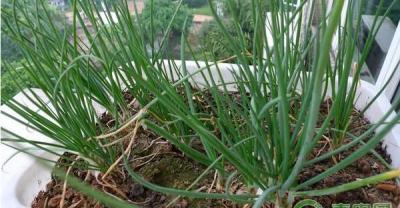
Ridge planting of peanuts changes the planting method and has a significant impact on soil structure and growth.
In high mountains, sowing is done by digging furrows or holes, which is mainly suitable for some fields with uneven terrain and incomplete watering conditions. Ridge planting is a planting method accepted for medium-grade and fertile-water land in the south, and is carried out in fields with flat terrain, deep soil layers, and complete drainage and irrigation conditions. In places like Southwest China, Hebei, and Shandong, ridge planting is mostly adopted.
-
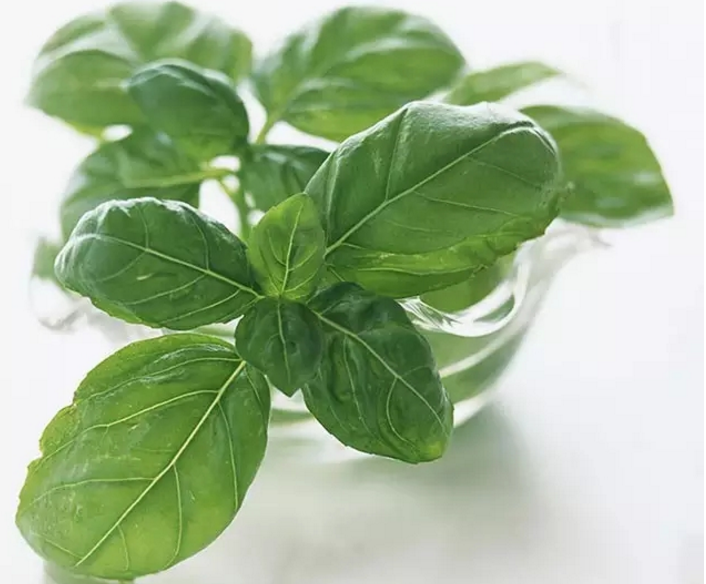
How to hydroponically grow basil? Methods, steps and key points on frequent water changes
Basil is a plant that can be eaten, and its taste is a bit like fennel. Basil can not only be used for eating, but can also be grown hydroponically. Let's see what the steps for hydroponic basil are: Material: a basil branch about 10cm long cut together with its leaves. Container: a transparent glass cup
-

New High-Yield Cultivation Technique for Soybeans: "Four Changes and One Addition"
With the traditional tillage and sowing method for growing soybeans, the rows are narrow and the plants too dense, and combined with various other reasons, yields have long hovered around 100-150 kg. Through years of experimental research, we have worked out a new approach that can increase soybean yields by more than 40%, namely the "Four Changes and One Addition" technique. The usual measures for raising soybean yields, besides selecting new high-quality, high-yield varieties, also include paying attention to crop rotation. According to experiments, after many years of continuous cropping, soybeans show slow growth, short plants, yellowing lower leaves, early leaf drop, and few pods with small seeds. Experiments have also proven that continuous cropping (monocropping) for more than 3 years can reduce yields by 20%-30%, or even more, and 2 years of continuous cropping following a one-year break can reduce yields by more than 30%. Therefore, crop rotation and changing to a different crop are of great significance in soybean production. To achieve high-yield and super-high-yield soybean cultivation, the new "Four Changes and One Addition" cultivation technique should be implemented on this basis. The specific methods of "Four Changes and One Addition" are:
-
How to Grow High-Yield Soybeans? A Detailed Guide to the "Four Changes and One Addition" Cultivation Technique
Traditional drill sowing of soybeans results in narrow rows and overcrowding, and along with various other factors, yields have long hovered around 100-150 kg. Through years of experimental research, we have developed a new approach that can increase soybean yields by more than 40%, namely the "Four Changes and One Addition" technique. The usual measures for increasing soybean yields include, besides selecting new high-quality, high-yield varieties, paying attention to crop rotation. According to experiments, after years of continuous cropping, soybeans show slow growth, short plants, yellowing lower leaves, early leaf drop, and few pods with small seeds. Experiments
-
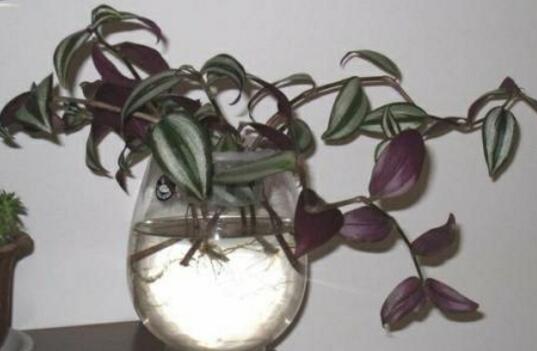
Can Tradescantia zebrina be grown in water? A detailed guide to the hydroponic method, with regular water changes being the key point
Can Tradescantia zebrina be grown in water? Tradescantia zebrina can be grown hydroponically. As long as the method is right and you know how to care for Tradescantia zebrina, it can be kept alive easily. In the hydroponic process, temperature, light and water changes are very important, and it differs greatly from soil culture. Hydroponic method for Tradescantia zebrina: preparation
-

What to do when hydrangeas wilt? Sudden environmental changes are the main cause; you can increase water and provide appropriate shade
Hydrangea, as the name suggests, is a flower that looks like a hydrangea ball. Its colors are vivid and it is deeply loved by flower enthusiasts. However, during cultivation, many flower lovers encounter problems, such as wilting. So what should be done when hydrangeas wilt? At this point, you should not panic, but should find the cause and then address it specifically.
-
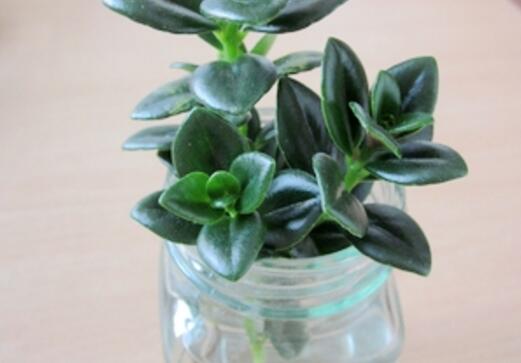
Can Goldfish Begonia Be Grown in Water? Hydroponic Methods and Tips on Light and Water Changes
Goldfish Begonia (Nematanthus gregarius), a beautiful plant also suited to indoor growing, is kept in pots in many homes. Friends who love hydroponic plants must want to grow Goldfish Begonia in water too, so can Goldfish Begonia be grown in water? In the eyes of experienced growers, as long as the stems can survive when stuck in water, it can be grown hydroponically, and Goldfish Begonia is one of them
-
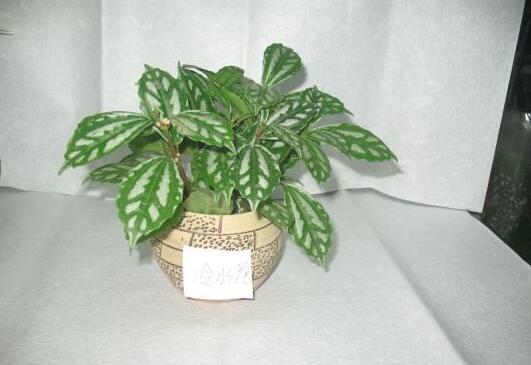
Can Pilea cadierei be grown in water? Hydroponic method and key points on frequent water changes
Pilea cadierei is a highly ornamental plant with fairly strong adaptability to its environment, so many people in our country grow it, but some people also want to try growing it in water, so can Pilea cadierei be grown in water? Actually, it can. So what is the hydroponic method for Pilea cadierei?
-
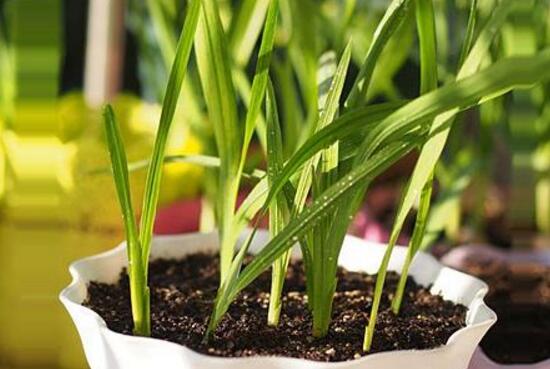
Freesia leaves turning yellow is mostly due to unsuitable light, improper water and fertilizer, and major environmental changes
The beauty of freesia should leave a deep impression on anyone who has seen it. Not only are its flowers beautiful, but its sword-like leaves are also very lovely. However, during cultivation, many flower lovers encounter yellowing leaves, which seriously affects the ornamental value of freesia. So what causes freesia leaves to turn yellow? On this
-
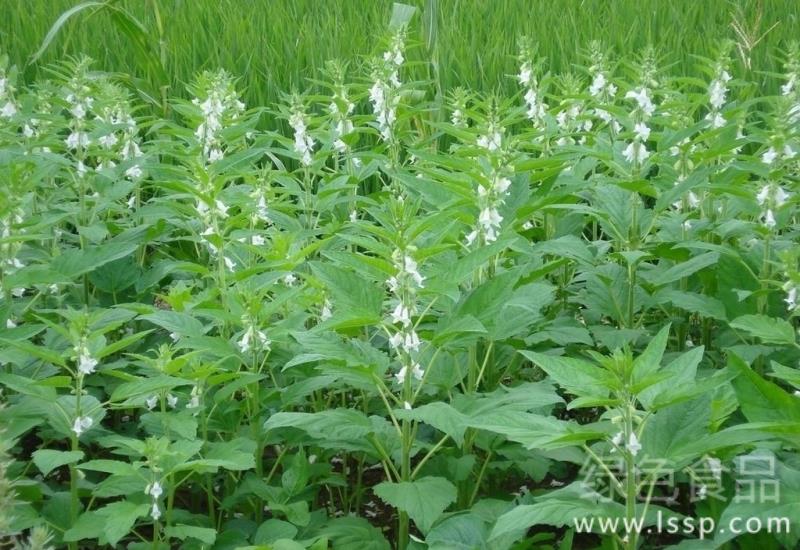
To achieve stable and high yields in sesame, you need to master the "Ten Changes" techniques
To achieve stable and high yields in sesame, you need to master the "Ten Changes" techniques
条件筛选