How to hydroponically grow basil? Methods, steps and key points on frequent water changes
Basil is a plant that can be eaten, and its taste is a bit like fennel. Basil can not only be used for eating, but can also be grown hydroponically. Let's see what the steps for hydroponic basil are:
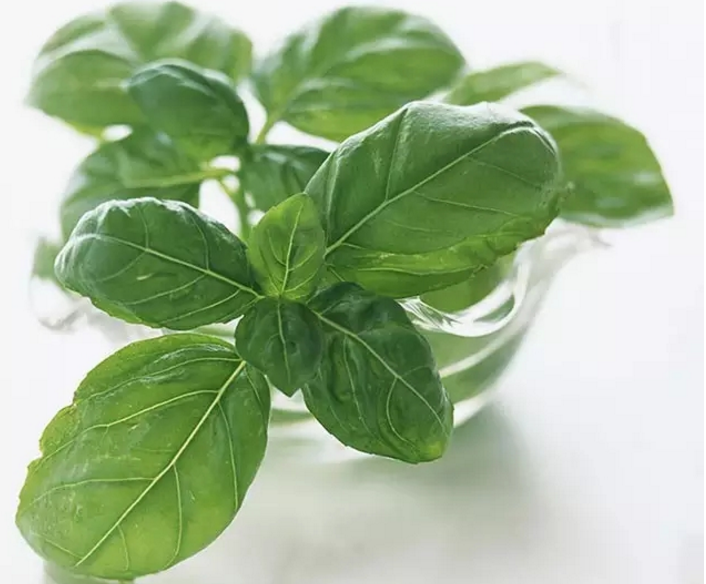
Material: a basil branch about 10cm long cut together with its leaves.
Container: a transparent glass cup.
Hydroponics: remove the leaves at the bottom of the branch, place it in water, keep the water fresh, and after 5-7 days you can see roots forming.
Care: place it in a spot with direct sunlight. To avoid the production of slime, be sure to change the water frequently.
Value: the fresh little leaf bonsai is a touch of vitality indoors, and you can also keep eating fresh basil
That is all for the introduction to hydroponic basil. With a pot of basil at home, even your mood will improve.
If you want your home to be full of life, besides growing flowers you can also grow vegetables!
In recent years, green plants have been a very popular industry, and in many households almost everyone grows a few pots of flowers and plants to bring some fresh atmosphere to home life. But after flowers or green plants are planted, generally only a certain ornamental value is achieved, so I think it would be better to be a vegetable expert at home and also a skillful home vegetable grower, caring for some vegetables with high ornamental value that can also be eaten. Hydroponics or soilless cultivation, just choose the method yourself. In short, I think growing vegetables is more worthwhile than growing purely ornamental flowers and green plants. What do you think?
However, you cannot just casually buy a few heads of cabbage at the vegetable market and sow them however you like. This is a misunderstanding. Home vegetable growing also requires mastering certain techniques. Today I am sharing with you the techniques for growing these vegetables at home that are both ornamental and edible, so be sure to read carefully the key points I talk about next.
[Frist of all]: ___Choose the type___
*Garlic *Cabbage *Basil
*Scallion *Lettuce *Ginger
*Cilantro *Mushroom *Onion
*Carrot
[Then]: ___Planting choices___
Generally speaking, the vegetable types suitable for sowing in home life are the ten above. Of course there are others, but after growing them I found that these ten are relatively the least difficult to grow, and the growing methods are the simplest. The most important thing is that these vegetables have a short growing cycle, which means they can meet the need for ingredients during cultivation. But the types I most recommend growing at home are: garlic, ginger, lettuce, cabbage, and cilantro, because growing them is so easy!
[Secondly]: ___Planting steps___
➢Key analysis of the steps: first, keep the root and stem part of the material. Even vegetables left after being eaten at home can have their unwanted root and stem parts saved, then put into water to promote sprouting and growth, placed in a spot with good sunlight for photosynthesis, and finally they can develop into a complete plant. Then for eating, just eat them normally.
➢Example step breakdown: taking lettuce growing as an example——
1. First pick and wash the lettuce bought at home, remove the leaf part, and keep the root and stem part;
2. Then place the root and stem part in a container (preferably a somewhat deeper container, ideally made of plastic or glass);
3. Add clean water to the container, just enough to cover one third of the lettuce root and stem part;
4. Then place it on the windowsill of a sunny window. After one to two weeks, new leaves will grow and it will become a complete lettuce plant.
[The final]: ___Summary___
Actually, growing vegetables at home gives a greater sense of achievement than growing purely ornamental flowers. Take me for example: ever since I successfully grew vegetables at home, my parents have praised me for being impressive and for knowing how to live. Before, when I grew flowers at home, they would only say these look pretty and nothing else. This kind of differential treatment is really something else! In this era that judges by appearances, sure enough, only parents who value practical living are more down-to-earth!