Can Pilea cadierei be grown in water? Hydroponic method and key points on frequent water changes
Pilea cadierei is a highly ornamental plant with fairly strong adaptability to its environment, so many people in our country grow it, but some people also want to try growing it in water, so can Pilea cadierei be grown in water? Actually, it can. So what is the hydroponic method for Pilea cadierei? Below, the editor will walk you through it.
1. Can Pilea cadierei be grown in water? Yes, it can
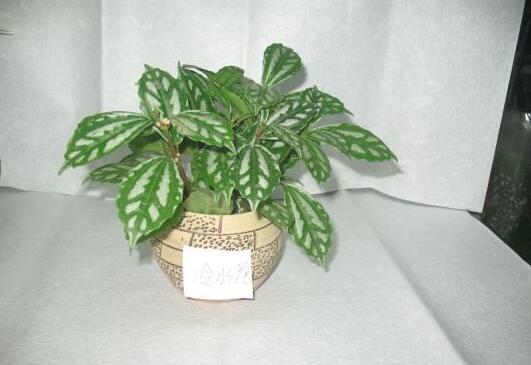
When people usually grow Pilea cadierei, they use soil culture, and hydroponics is relatively less common. In fact, it can be grown hydroponically, and hydroponically grown Pilea cadierei looks more brightly colored, with its silver lines also appearing more distinct. The hydroponic method for Pilea cadierei is below, so let's keep reading.
2. Hydroponic method for Pilea cadierei
1. Early-stage preparation
Before growing Pilea cadierei hydroponically, we first need to take it out of the soil, then remove the soil from its roots, and wash them clean with fresh water. When washing, we must be careful, because the plant's roots are quite fragile, and if we are not careful, it is very easy to cause damage, so everyone should pay extra attention.
2. Hydroponic method
After washing the root system, we need to cut off a section of stem with a terminal bud and place it directly in water to cultivate. After placing it in water, we should add an appropriate amount of nutrient solution, and then let it sit for about 10 days, after which new roots will grow. Overall, the survival rate of hydroponic Pilea cadierei is still relatively high.
3. Precautions for hydroponic Pilea cadierei
1. Change the water frequently
When growing Pilea cadierei hydroponically, we should change the water every day, and promptly prune away any roots that are growing poorly or showing signs of rot. After it grows new roots, we can reduce the frequency of water changes. There is one more thing to note: after changing the water, do not forget to add nutrient solution.
2. Temperature control
Pilea cadierei likes to grow in semi-shaded environments, and the suitable environmental temperature for its growth is between 18-22°C, so everyone should control the temperature well. In addition, attention must be paid to shading, and direct strong light must be avoided, otherwise it will greatly affect its growth. Of course, it also cannot be placed in a place that is too dark, as this will make its leaves dull in color and cause the stems to become leggy.
Can Pilea peperomioides be grown in water? Hydroponic method for Pilea peperomioides
Flower and Bonsai Network introduction: Today, the editor of Flower and Bonsai Network will share with you the article on whether Pilea peperomioides can be grown in water and the hydroponic method for Pilea peperomioides. Flower lovers who like it, come and take a look.
Hydroponics refers to a type of soilless cultivation method in which part of a plant's root system grows submerged in nutrient solution, while another part of the root system is exposed to moist air. It is an innovation on the traditional potted plant model, achieving the dual effect of enjoying the leaves and appreciating the roots. Can Pilea peperomioides also be grown hydroponically?
Can Pilea peperomioides be grown in water?
Pilea peperomioides can be grown in water. Horticulturists have already succeeded in growing it hydroponically, and the ornamental effect is very good.
Pilea peperomioides is an evergreen herbaceous plant in the family Urticaceae and the genus Pilea. The plant height can reach 35-40cm, and the stems are thick, fleshy, and brown. The petioles are peltate and attached slightly above the center of the leaf blade, shaped as if holding up a small mirror, densely growing on the stems, with petioles of varying lengths extending in all directions. The whole plant has a plump and rounded appearance.
Pilea peperomioides likes warm, humid, and shaded environments, and can also grow well in indoor spaces with sufficient light. It is a treasure among small indoor foliage plants. After being introduced to Europe, it became deeply loved by gardening enthusiasts in the United Kingdom, Germany, Norway, and other places.
Hydroponic plants have advantages such as elegant style, cleanliness, environmental friendliness, ease of combination, and freedom from regional restrictions on water quality and soil quality, and are highly favored by people. The hydroponic ornamental effect of Pilea peperomioides is excellent, and it has a very good effect in garden landscaping and home greening design.
How to grow Pilea peperomioides hydroponically
Material preparation: one Pilea peperomioides plant, a small knife, a glass container, 1000-fold diluted carbendazim solution, NAA solution, a basin of clean water, a small amount of hydroponic nutrient solution, and rain flower stones.
Hydroponic method: Carefully remove the growing medium from Pilea peperomioides, minimizing damage to the root system. Wash it clean with fresh water, appropriately prune overly long roots, then soak the roots in 1000-fold diluted carbendazim solution for 10 minutes.
Place the washed and disinfected roots of Pilea peperomioides in clean water and soak for one hour, then place them in NAA solution and soak for one hour.
Place the treated Pilea peperomioides in a glass container, add clean water to the container, and fix Pilea peperomioides in place with rain flower stones. Establish the root system in a dark environment.
During cultivation, the temperature should not exceed 30°C, air humidity should be greater than 80%, appropriate shading should be provided, and two-thirds of the root system should be submerged in water. Change the water twice a week. If poor growth is observed, an appropriate amount of nutrient solution can be added.
And just like that, a beautiful pot of hydroponic Pilea peperomioides is born.
Can Pilea peperomioides be grown in water?
Can Pilea peperomioides be grown in water?
Pilea peperomioides can be grown in water. Horticulturists have already succeeded in growing it hydroponically, and the ornamental effect is very good.
Pilea peperomioides is an evergreen herbaceous plant in the family Urticaceae and the genus Pilea. The plant height can reach 35-40cm, and the stems are thick, fleshy, and brown. The petioles are peltate and attached slightly above the center of the leaf blade, shaped as if holding up a small mirror, densely growing on the stems, with petioles of varying lengths extending in all directions. The whole plant has a plump and rounded appearance.
Pilea peperomioides likes warm, humid, and shaded environments, and can also grow well in indoor spaces with sufficient light. It is a treasure among small indoor foliage plants. After being introduced to Europe, it became deeply loved by gardening enthusiasts in the United Kingdom, Germany, Norway, and other places.
Hydroponic plants have advantages such as elegant style, cleanliness, environmental friendliness, ease of combination, and freedom from regional restrictions on water quality and soil quality, and are highly favored by people. The hydroponic ornamental effect of Pilea peperomioides is excellent, and it has a very good effect in garden landscaping and home greening design.
How to grow Pilea peperomioides hydroponically
Material preparation: one Pilea peperomioides plant, a small knife, a glass container, 1000-fold diluted carbendazim solution, NAA solution, a basin of clean water, a small amount of hydroponic nutrient solution, and rain flower stones.
Hydroponic method: Carefully remove the growing medium from Pilea peperomioides, minimizing damage to the root system. Wash it clean with fresh water, appropriately prune overly long roots, then soak the roots in 1000-fold diluted carbendazim solution for 10 minutes.
Place the washed and disinfected roots of Pilea peperomioides in clean water and soak for one hour, then place them in NAA solution and soak for one hour.
Place the treated Pilea peperomioides in a glass container, add clean water to the container, and fix Pilea peperomioides in place with rain flower stones. Establish the root system in a dark environment.
During cultivation, the temperature should not exceed 30°C, air humidity should be greater than 80%, appropriate shading should be provided, and two-thirds of the root system should be submerged in water. Change the water twice a week. If poor growth is observed, an appropriate amount of nutrient solution can be added.
And just like that, a beautiful pot of hydroponic Pilea peperomioides is born.