-

How Much Do You Know About Water Color Changes in Aquaculture?
I. What Is Water Color? Most farmers probably have a simple understanding of what water color is, but some farmers may not know how to identify and maintain water color. Water...
-
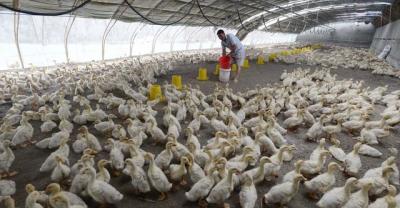
What to Do When a Flowerhorn Cichlid Gets Sick? Years of Breeding Experience and Exchanges with Tropical Fish Hobbyists
The following are the situations encountered and solutions for raising tropical flowerhorn cichlids. Flowerhorn cichlids have a large bulge on top of their heads, a peculiar body shape, and captivating body colors, which has earned them many...
-

Sudden Temperature Changes: Farmers Should Guard Against Swine Influenza
Swine influenza is an acute, highly contagious disease caused by the swine influenza A virus. It is mainly characterized by sudden onset in pigs, rapid spread, high morbidity, low mortality, high fever, and inflammation of the upper respiratory tract. Epidemiological features: 1. It has obvious seasonality, occurring mostly in autumn and winter and in spring when temperatures change abruptly, and pigs are especially prone to the disease when it is damp and rainy. 2. Pigs of all ages, sexes, and breeds can be infected and become ill. 3. It often occurs as an endemic or pandemic. 4. It spreads rapidly, and within 2 to 3 days it
-
What are the signs of aging in dogs? Watch out for these changes
Dogs kept as family pets generally begin to gradually age after they reach 10 years old. The main signs of aging in dogs include: estrus behavior becomes less pronounced, reproductive capacity stops completely, the skin becomes dry and wrinkled, the muscles age, stiffen, and lose elasticity, and the coat loses its luster, begins to thin, and becomes messy. The mouth, ears, skin, and other areas give off an unpleasant odor different from before. If the dog has a darker coat color, white hairs can be seen mixed in. The whiskers around the mouth begin to thin, teeth fall out, chewing becomes difficult when eating, and appetite decreases.
-
Weather changes trigger acute dehydration and death in rabbits, requiring vigilance
In August 2007, an acute intestinal infectious disease characterized by severe diarrhea, dehydration and rapid death occurred in the breeding rabbit flock of a rex rabbit farm. The incidence rate was about 60%, and the mortality rate reached 40%. Based on epidemiology, clinical symptoms and pathological changes, combined with laboratory testing, it was finally diagnosed as Tyzzer's disease in rex rabbits. The relevant situation is reported as follows. I. Onset process: A rabbit farm raised 1000 rex rabbits, of which more than 200 were breeding rabbits. In early August, after 5 consecutive days of local rain and with the temperature exceeding 3
-
What are the pathological changes of aflatoxin poisoning in pigs?
In acute cases, anemia and hemorrhage occur, with massive bleeding in the thoracic and abdominal cavities, and petechial spots often on the serous membrane surfaces. Hemorrhage occurs in the subcutaneous muscles in front of the thigh and under the scapula. The liver is enlarged with bleeding points. In the part of the liver adjacent to the serous membrane there are pinpoint or ecchymotic hemorrhages, obvious hemorrhages are common on the epicardium and endocardium, and hemorrhages are often present throughout the body muscles. In chronic cases, there is proliferation and sclerosis of the liver bile ducts, yellow fatty degeneration of the liver, white spots or necrotic lesions on the liver surface, and effusion in the thoracic and abdominal cavities. The renal cavity is pale and swollen. The systemic lymph nodes are congested and edematous.
-
What Changes Occur After a Dog Is Spayed or Neutered
After surgery, a male dog is no longer interested in females in heat, no longer barks at things in the distance, becomes much gentler in temperament, and grows closer to its owner. (The same is true for female dogs.) It can also prevent prostate diseases that older dogs are prone to. After surgery, a female dog no longer comes into heat, so she no longer discharges menstrual blood, making indoor keeping easier as well. In addition, she is less prone to uterine or mammary gland diseases.
-
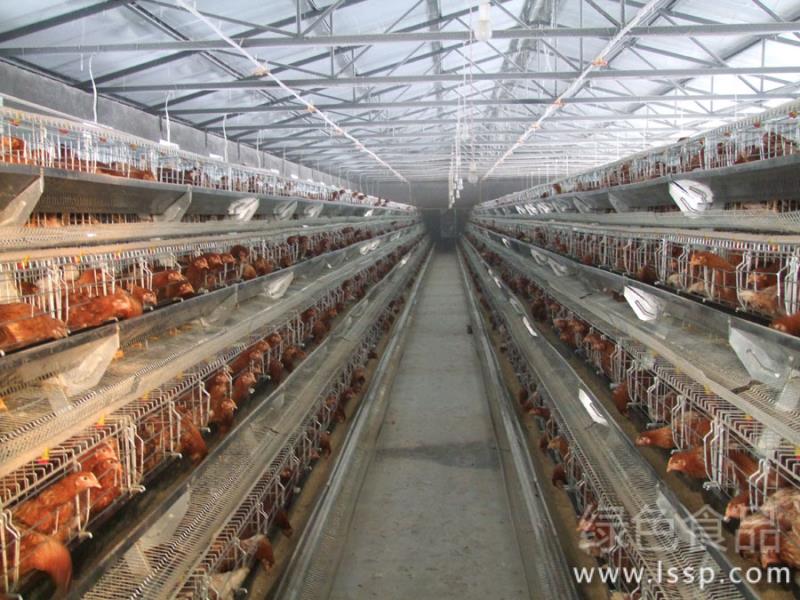
High summer temperatures cause metabolic changes in laying hens, how to ensure egg production
Metabolic changes in laying hens under high temperatures, how to ensure laying hen production in summer
-
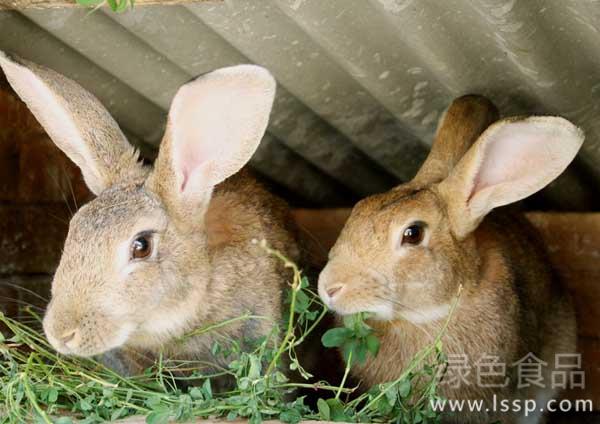
Six management measures for raising rabbits in autumn in line with seasonal changes
Rabbit raising should change with the seasons: six management measures for raising rabbits in autumn
-

A detailed explanation of the silkworm growth process: changes at each stage at a glance
The silkworm growth process
条件筛选