What to do when hydrangeas wilt? Sudden environmental changes are the main cause; you can increase water and provide appropriate shade
Hydrangea, as the name suggests, is a flower that looks like a hydrangea ball. Its colors are vivid and it is deeply loved by flower enthusiasts. However, during cultivation, many flower lovers encounter problems, such as wilting. So what should be done when hydrangeas wilt? At this point, you should not panic, but should find the cause and then address it specifically. Below, the editor will explain it for everyone.
I. What to do when hydrangeas wilt: find the cause
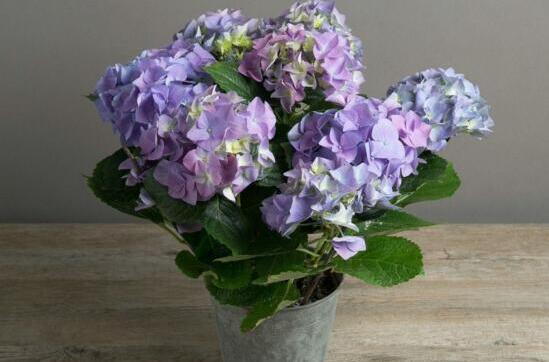
As a beautiful flower, hydrangeas are often grown in pots at home. However, most people who grow flowers are beginners, so improper care is unavoidable, leading to symptoms of wilting flowers. As for what to do when hydrangeas wilt, the editor has identified 4 causes and attached solutions. Let us continue reading.
II. Causes of hydrangea wilting and solutions
1. Sudden environmental changes
There are actually many reasons why hydrangeas wilt, but the first thing to consider should be environmental factors. In daily life, many flower lovers buy their hydrangeas online, which can easily lead to a large regional difference, making it hard for the hydrangea to adapt for a time, resulting in symptoms of wilting flowers.
Solution: At this point, you can communicate with the seller to learn about the growing environment of the hydrangea before purchase, and then create the same environment at home. After that, we can change it slowly until the plant fully adapts to the current environment. After a period of time, the hydrangea will recover its health.
2. Lack of water
Although hydrangeas are beautiful, they need sufficient water to make the flowers look more vivid. If the hydrangea lacks water, the flowers cannot absorb water and will show wilting symptoms.
Solution: What to do when hydrangeas wilt? If the situation is not particularly bad, you only need to frequently sprinkle water on the hydrangea petals, and it will recover after a period of time; if the lack of water is severe, dig out the hydrangea, then soak the whole plant in water, and after a period of time replant it.
3. Light that is too strong
Hydrangeas prefer shade and dislike strong sun. Once given overly strong light, they easily wilt. In addition, strong light can also cause hydrangea leaves to turn yellow, thus affecting their ornamental value.
Solution: What to do when hydrangeas wilt? If it is caused by too-strong light, at this time you should quickly move the potted plant to a relatively shady place, then water the plant until the soil in the pot is completely soaked, and finally spray water on its branches and leaves.
4. Improper fertilisation
Hydrangeas like fertiliser. During growth, apply thin fertiliser frequently, which can make hydrangeas bloom more beautifully. However, if fertilisation is done well, that is fine; once fertilisation is wrong, branches and leaves may turn yellow and wither, or even the whole plant may wilt.
Solution: If the situation is not very serious, you can adopt the practice of watering more to dilute the fertiliser; if the situation is relatively serious, handling it is more troublesome. First cut off its branches and leaves, and second replace the pot soil for the plant, so that the hydrangea becomes fresh again.
Regarding what to do when hydrangeas wilt, after reading the above content, everyone should know what to do by now! The beauty of hydrangeas leaves a deep impression on all who see them, and it is also a common potted ornamental flower and tree in our country. So in order to enjoy beautiful hydrangeas, everyone should follow the hydrangea cultivation methods when growing them, and must not be careless~
What to do when hydrangea leaves turn yellow: control watering, fertilise appropriately, and adjust soil acidity and alkalinity
Hydrangea, a very beautiful flower with rich colors, is grown in pots at home by many flower lovers. However, many beginners encounter yellowing hydrangea leaves during the process of growing hydrangeas, greatly reducing the ornamental value of the hydrangea. So what should be done at this time? For this, the editor has summarised 6 causes of hydrangea leaf yellowing. Flower lovers with problems, come in quickly and take a look!
I. What to do when hydrangea leaves turn yellow: find the cause
In daily life, many people grow hydrangeas, but there may be more beginners, and many of them do not follow the hydrangea cultivation methods, so yellowing hydrangea leaves often occur. As for what to do when hydrangea leaves turn yellow, the editor has summarised 6 points and attached solutions. Let us continue reading.
II. Causes of hydrangea leaf yellowing and solutions
1. Sudden environmental changes
There are actually many reasons for hydrangea leaf yellowing, but the first thing to consider should be environmental factors. In daily life, many flower lovers buy their hydrangeas online, which can easily lead to a large regional difference, making it hard for the hydrangea to adapt for a time, resulting in symptoms of leaf yellowing.
Solution: At this point, you can communicate with the seller to learn about the growing environment of the hydrangea before purchase, and then create the same environment at home. After that, we can change it slowly until the plant fully adapts to the current environment. After a period of time, the hydrangea will recover its health.
2. Soil that is alkaline
In the hydrangea cultivation methods, we once said that hydrangeas are suitable for growing in slightly acidic soil. If everyone grows hydrangeas in alkaline soil, over time, hydrangea leaves will turn yellow.
Solution: If it is caused by alkaline soil, quickly change the pot soil, replace it with loose and fertile slightly acidic soil, and after careful care for a period of time it will recover.
3. Light that is too strong or insufficient
Hydrangeas prefer shade and dislike sun, so light definitely cannot be excessive. Once the light is too strong, hydrangea leaves will turn yellow and pale, with yellow-brown spots appearing; but hydrangeas also cannot lack light. Once light is insufficient, the plant will show symptoms of slender leggy branches and yellowing leaf color.
Solution: If light is too strong, it should be moved to a cool and ventilated place to prevent direct sunlight, and water appropriately, with careful care for a period of time; if light is insufficient, it is very simple, increase the light duration and it will slowly recover.
4. Overwatering (water yellowing)
Hydrangeas like a moist environment, but once watered too much, causing water accumulation in the pot soil and poor soil aeration, some of the hydrangea's fibrous roots will rot. The symptoms shown are: hydrangea young leaves become dull yellow and lustreless, and new shoots shrink.
Solution: At this point, you should stop watering and loosen the soil of the hydrangea to let it dry, and water again after it dries completely. If it is caused by water accumulation after rain, promptly pour out the accumulated water in the pot, and then after careful care for a period of time it will recover.
5. Long-term lack of water (drought yellowing)
In addition to overwatering, long-term lack of water or too little watering, causing the pot soil to become too dry, can also cause hydrangea leaves to turn yellow. The symptoms are: although the new leaves have normal color, the lower leaves gradually dry, yellow, fall off, and age from bottom to top.
Solution: At this point, you should first water a small amount, then after half an hour water thoroughly, and at the same time spray clean water on the branches and leaves.
6. Too much fertiliser or long-term lack of fertiliser
Hydrangeas like fertiliser, but too much fertiliser should not be applied. Once there is too much, it easily causes root burn, leading to scorched yellow leaves falling off the plant; but fertiliser also cannot be too little. Once the soil has not been changed and fertiliser added for a long time, especially lacking nitrogen fertiliser, the hydrangea will show yellowing leaves due to insufficient nutrient supply.
Solution: If too much fertiliser was applied, stop fertilising and increase the amount of watering so that the fertiliser flows out from the drainage hole at the bottom of the pot, or if it is severe, directly change the pot soil; if fertiliser is lacking, change the pot soil, replace it with new fertile and loose soil containing nitrogen, and water with thin liquid fertiliser or compound fertiliser about once every 10 days. Before long, the hydrangea leaves will turn from yellow to green.
What to do when hydrangeas get insects: pest and disease control for hydrangeas / 3 insect pests and 4 diseases
Everyone should be familiar with hydrangeas. It is a very beautiful plant and is often grown in pots at home by flower lovers. Hydrangeas are very beautiful, and they have strong adaptability, but once cared for improperly, they can also be attacked by pests and diseases, thus affecting their ornamental value. So what should be done when hydrangeas get insects? The following are 7 pest and disease control methods for hydrangeas. Follow the editor to learn more.
I. When hydrangeas get insects, spray with pesticide
Generally speaking, hydrangeas rarely get insects, but if everyone does not follow the hydrangea cultivation methods, they can also get insects and become diseased. At that time, flower lovers must be very anxious! What to do when hydrangeas get insects is actually very simple. First determine which kind of insect it is, then address it specifically. The following are pest and disease control methods for hydrangeas, with a total of 3 insect pests and 4 diseases. Let us continue reading.
II. Pest and disease control for hydrangeas
1. Aphids
Hydrangeas have strong adaptability. Although they rarely suffer from pests and diseases, once cared for improperly, aphids will appear, harming the tender leaves and stems of hydrangeas. They parasitise on the leaves and suck sap. Symptoms of infestation: aphids can be seen with the naked eye. When discovered, they generally harm the tender leaves and stems of hydrangeas. They parasitise on the leaves and suck sap.
Control method: When aphid infestation is found, it can be washed off with water. When there are too many aphids, spray with a 1200-fold aqueous solution of dichlorvos, or kill them with tobacco water: add 50 grams of tobacco leaves to 5 kilograms of water and boil it.
2. Red spider mites
One of the main insect pests of hydrangeas, it mainly harms the underside of leaves and survives by sucking the sap of the plant's leaves. Symptoms of infestation: the hydrangea will become nutritionally imbalanced, and may show symptoms of yellowing or even falling leaves.
Control method: When red spider mites are found, the whole hydrangea plant should be thoroughly washed with a large amount of water, then spray with 20% dicofol emulsifiable concentrate at 2000-fold dilution. Several consecutive applications will be effective.
3. Thrips
Thrips, a tiny pest that appears in adult and nymph forms, feeds on the sap of hydrangea branch tips, leaves, and flowers to survive. Symptoms of infestation: the tender leaves and tender tips of the hydrangea become hard, curled, and withered, and the plant grows slowly; in severe cases it causes fruit drop, seriously affecting yield and quality.
Control method: Taking advantage of thrips' habit of being attracted to blue, we can set up blue sticky boards to trap and kill adults. The height of the sticky board should be level with the crop. In addition, you can also use spinetoram + chlorfenapyr + tolfenpyrad, a compound product, with very good control effects.
4. Mosaic disease
One of the pests and diseases of hydrangeas. After contracting this disease, hydrangeas will produce ring spots, sometimes latent symptoms (observed but not treated). Symptoms: the plant grows and develops slowly and looks short overall, affecting ornamental value.
Control method: When the above symptoms are found, spray with 7.5% Keduling aqueous solution at 600-fold dilution or 3.85% Bingdubike wettable powder at 700-fold dilution for control. Alternating sprays give better results.
5. Anthracnose
One of the main diseases of flowers. With slight negligence, hydrangeas can also contract this disease, which mainly harms the plant's leaves. Symptoms: round lesions with a diameter of 1-10 mm appear on the leaves, the center being light yellowish-brown to grayish-white, with a slightly raised purplish-brown edge.
Control method: When the above symptoms are found, promptly remove diseased fallen leaves and bury them deeply or burn them in a concentrated manner. In the early stage of the disease, spray with 25% Tanteling wettable powder at 500-fold dilution or 25% Shibaike emulsifiable concentrate at 800-fold dilution for control.
6. Brown spot disease
One of the main diseases of hydrangeas, it mainly harms leaves. Symptoms: water-soaked dark green small spots appear on diseased leaves, and later the lesions mostly become rust-brown, round large spots, with slightly raised edges, bearing purple or purplish-brown color, and the center becomes grayish-white.
Control method: After leaf fall, promptly remove diseased and residual leaves to reduce the source of disease; in addition, spray with 20% Longkejun suspension concentrate at 600-fold dilution and 40% chlorothalonil suspension concentrate at 600-fold dilution for control.
7. Leaf spot disease
Hydrangea leaf spot disease mainly infects its leaves. Symptoms: initially dark green water-soaked small spots, which then gradually expand and become dark brown, with grayish-white lesions in the center. In the plum rain season or when ventilation is poor, the disease is severe.
Control method: Promptly remove diseased leaves and destroy them in a concentrated manner to reduce the source of disease; during the disease period, spray with 65% zineb at 500-fold dilution or 25% myclobutanil emulsifiable concentrate at 800-fold dilution for control. In addition, pay attention to ventilation; pruning some branches and leaves after the flowering period can help ventilation.
Regarding pest and disease control for hydrangeas, the editor has introduced this much. I believe everyone should know what to do when hydrangeas get insects or become diseased! Overall, hydrangeas are rarely troubled by pests and diseases, so as long as everyone cares for them carefully, these troublesome matters will not come knocking. Finally, may everyone's hydrangeas bloom into beautiful flowers.