How to grow clematis? A complete guide to cultivation methods and precautions
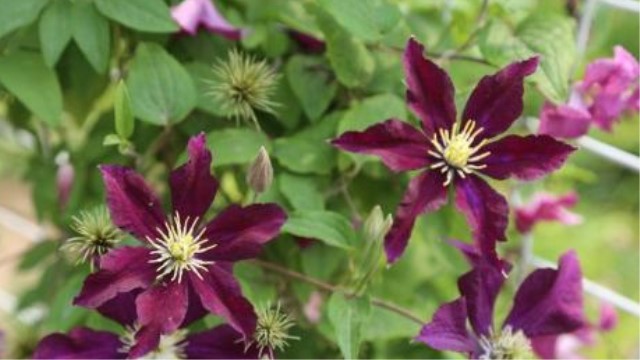
1. Soil:
Clematis likes well-drained, loose, fertile, alkaline soil.
2. Watering:
It is very afraid of waterlogging, so to avoid root rot, the amount of water must be small, and during the rainy season good drainage measures should be taken to prevent root rot caused by excessive standing water.
3. Light:
From autumn to the following spring, it can be placed in a spot exposed to sunlight without any shade measures; when the summer sun is strong, shade it, as strong light will cause its leaves to turn yellow, which is bad for its growth and development.
4. Fertilizing:
Clematis is not strict about fertilizing; just fertilize once about every 15 days during vigorous growth.
5. Precautions:
1. Pruning: there is no fixed rule for pruning it; generally, in autumn and winter it also enters a dormant state, and this is the best time to prune. Small shoots can be cut off, and relatively large branches can be kept.
2. Support: find a good support for it; you can attach the support as you wish, and this will guide its growth direction.
3. Pests and diseases: clematis is very susceptible to pests and diseases. Once discovered, remove them promptly, place it in a ventilated spot, do not keep it in a closed environment, prune off diseased leaves or withered parts, and then use pesticides in combination to eliminate the pests and diseases, so as to avoid infecting more.