How to grow Aspidistra? Cultivation methods and precautions
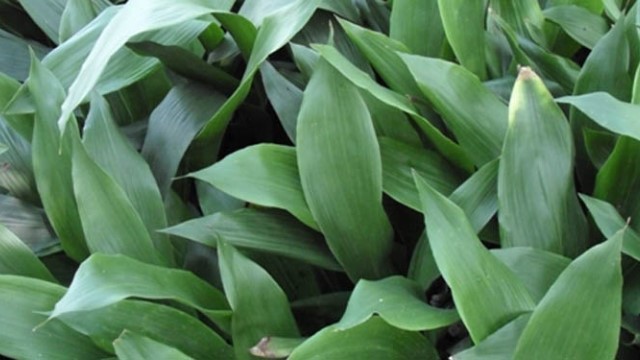
1. Soil
When growing Aspidistra, you must choose acidic soil, and select loose, fertile soil whenever possible; leaf mold and garden soil can be mixed together.
2. Watering
Aspidistra has fairly strict water requirements. You should spray it with water frequently to keep it moist, and always make sure the potting soil is moist enough, as this is good for its growth and development. However, in autumn and winter, reduce watering appropriately, and do not let water accumulate or freeze in the pot.
3. Light
It is a shade-loving plant, so there is no need to place it in a bright, sunny spot, but it should not be placed in an overly dark environment either. Be sure not to let direct sunlight scorch it; prolonged exposure to strong sunlight may burn the leaves.
4. Fertilizing
Before planting, mix leaf-mold base fertilizer into the soil, and apply diluted liquid fertilizer once a week. In winter, when temperatures are low, topdressing can be stopped.
5. Temperature
The most suitable growing temperature is between 15 and 25°C. It likes a warm environment and fears cold, so the lowest temperature must not fall below 5°C.
6. Precautions
1. Ventilation: When growing Aspidistra, you can ventilate it appropriately; an environment that is too humid may lead to pest and disease infections.
2. Pests and diseases: After Aspidistra is attacked by pests and diseases, rotten leaves will appear. When this happens, do not ignore it; clean it up promptly. To avoid increasing sources of infection, promptly prune away the rotten and diseased leaves.