How to grow Cymbidium goeringii? Detailed guide to cultivation methods and precautions
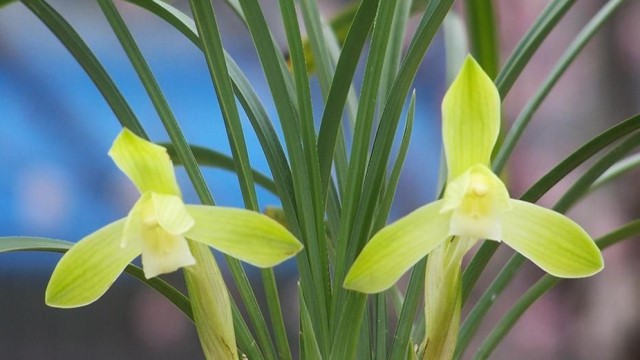
1. Soil
Do not use alkaline soil to grow Cymbidium goeringii. It is best to choose slightly acidic soil with good air permeability, or use a mix of leaf mold, perlite and sandy soil to make a breathable potting mix.
2. Temperature
The most suitable growing temperature for Cymbidium goeringii is 16-24°C, and the maximum temperature must not exceed 30°C. In winter, the temperature is best kept at slightly 3°C-8°C, or make sure the soil does not freeze. In winter, it is best to place it in a sunny spot.
3. Watering
The amount of watering is also the same at different stages. Generally, in winter the amount of watering can be reduced, watering once every 5-7 days is enough. In spring and autumn, water once every 2-3 days. In summer, when the temperature is relatively high, water 1-2 times a day.
4. Fertilizing
It is best to use a special fertilizer for growing Cymbidium goeringii. When fertilizing, apply light fertilizer frequently. To avoid root rot, be sure not to use concentrated fertilizer or unfermented fertilizer.
5. Precautions
1. Light: Cymbidium goeringii does not like strong light. It is best to place it on a shaded balcony. If it is in the hot summer, be sure to provide shade. In winter, do not let it be exposed to direct sunlight either; placing it in a spot with diffused light is enough.
2. Pests and diseases: Cymbidium goeringii is very prone to pest problems, so be sure to pay attention to ventilation, and the flower pot should have good drainage. Once pests or diseases are found, deal with them promptly. In more serious cases, change to a new flower pot and replant.