-
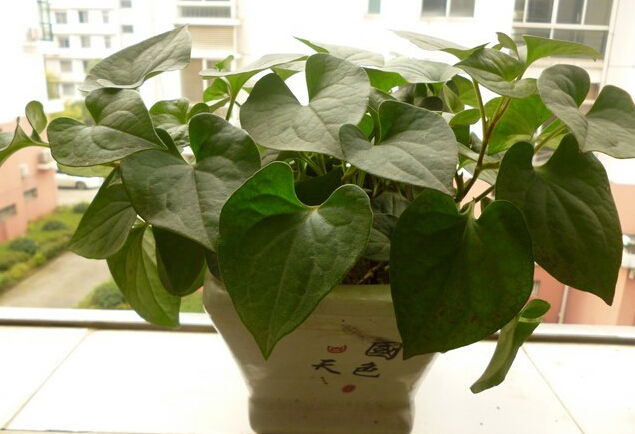
What are the cultivation methods and precautions for Houttuynia cordata (fish mint)
The seed germination rate is not high; germination is best at an alternating temperature of 17-25°C, with a germination rate of about 20%. Propagation by division, cuttings and rhizomes is all possible. Division propagation is done from late March to April: dig out the mother plant, divide it and transplant the divisions into a sandy soil seedbed to raise seedlings, or transplant them directly. Cuttings can be taken in spring and summer
-
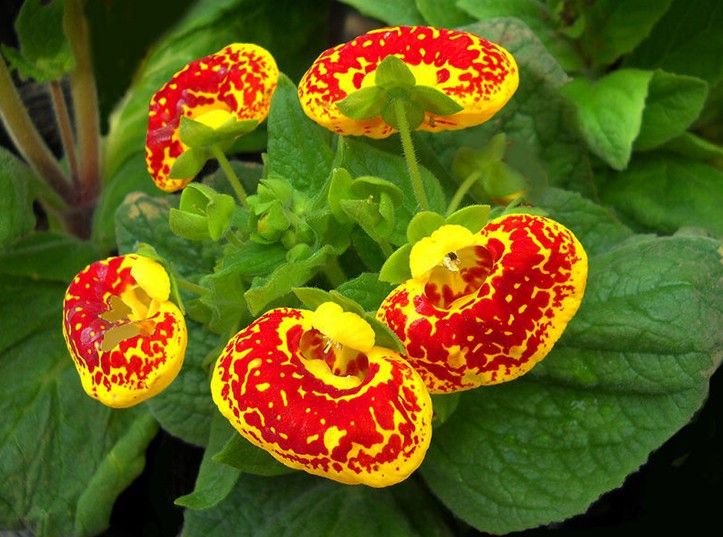
How to grow pocketbook plant? Cultivation methods and precautions
Technical points: Pocketbook plant (Calceolaria) is a herbaceous plant of the genus Calceolaria in the family Scrophulariaceae. The flower colors include yellow, purple, red, creamy white, orange-red, dark brown, etc. The flowers are adorned with colorful spots and markings, very lovely, and are often used for indoor decoration and display. It blooms from December to February of the following year; under greenhouse cultivation, the flowering period is from March to April.
-
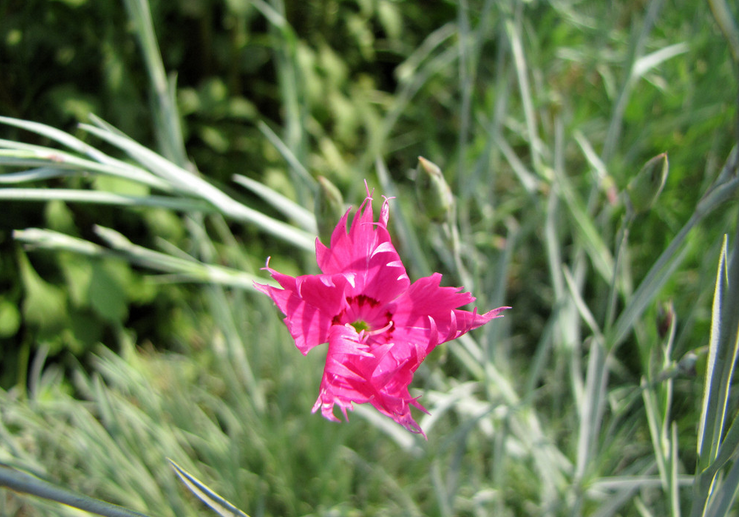
How to grow Dianthus chinensis (fringed pink)? Detailed guide to cultivation methods and precautions
Cultivation techniques: Propagate by layering or cuttings using vegetative shoots, or by division in spring. Cultivation management 1. Transplanting: 3 to 4 weeks after sprouting, the seedlings can be transplanted into flower pots with a diameter of 9 to 11 cm. 2. Substrate: The growing substrate must be well-drained, with a clay content of 15%
-
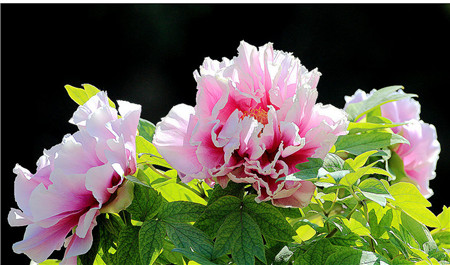
Peony Planting Methods and Precautions
Although peonies are beautiful, they are not easy to grow. So how do you plant peonies? Today Huabaike answers for you: how do you plant peonies? 1. Planting: Choose a sunny spot that does not accumulate water, preferably a slope facing the morning sun, with fertile soil and well-draining sandy loam. Before planting, dig the soil deeply, and make the planting hole appropriately large.
-
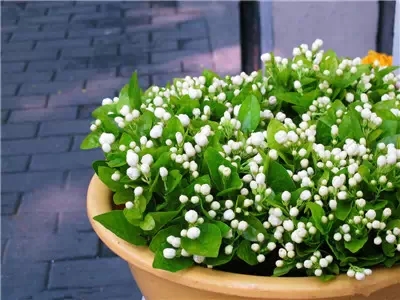
Jasmine Winter Care Methods and Precautions
Winter is just around the corner, and gardening friends who love growing jasmine have begun discussing winter care methods for jasmine. Below, the editor briefly introduces the winter care methods for jasmine. 1. In winter, as long as jasmine shows stopped growth, it is dormant, regardless of whether it drops leaves or not.
-
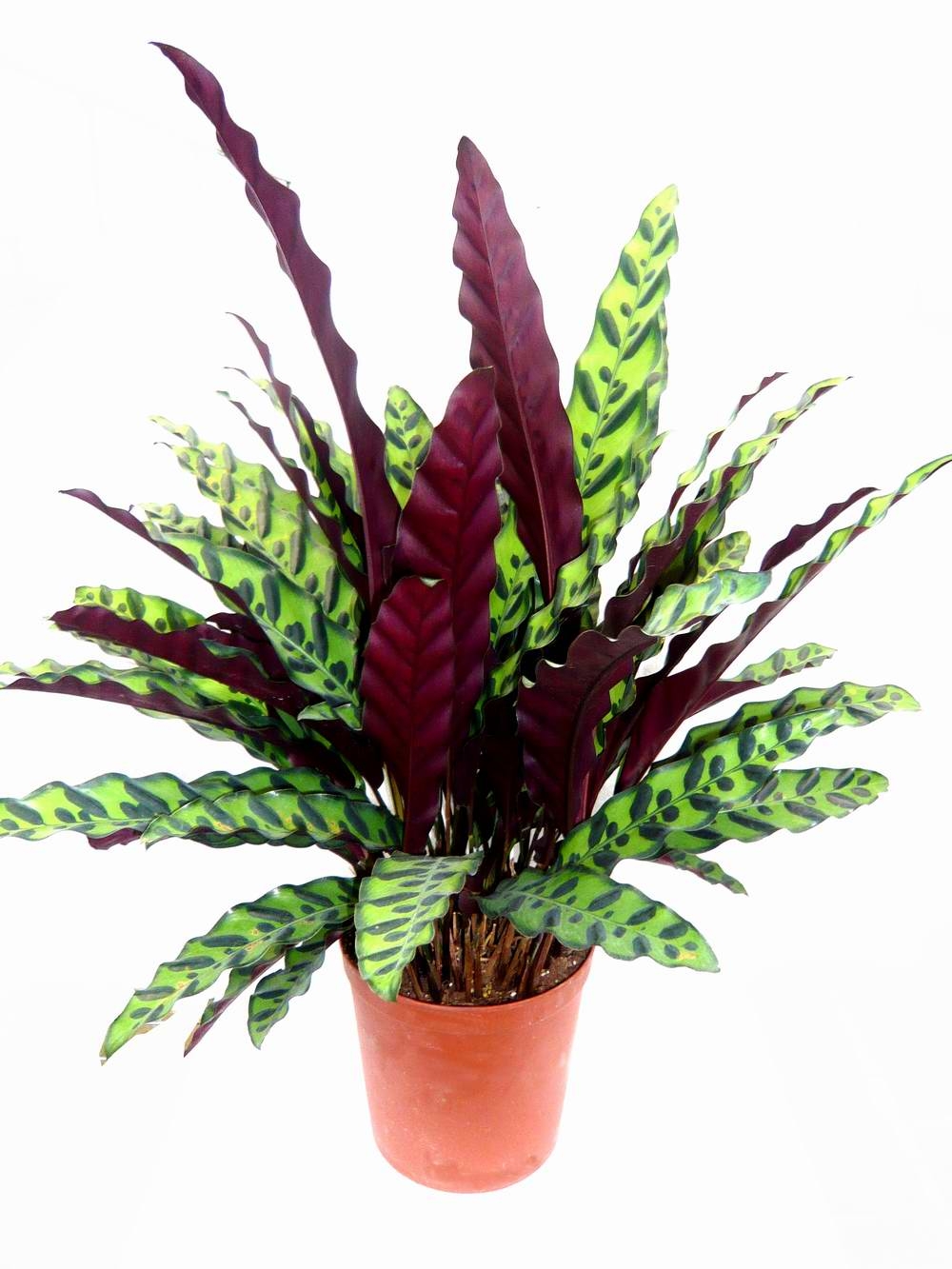
A Detailed Guide to the Cultivation Methods and Precautions for the Peacock Plant (Calathea makoyana)
Cultivation and Management: For potted Peacock Plants, use a loose, fertile, well-draining, humus-rich, slightly acidic loam. Generally, mix 3 parts leaf mold, 1 part peat or sawdust, and 1 part sand, and add a small amount of soybean cake as a base fertilizer. Avoid using heavy clay garden soil. When potting, first place a 3 cm thick layer of coarse sand at the bottom of the pot as a drainage layer.
-
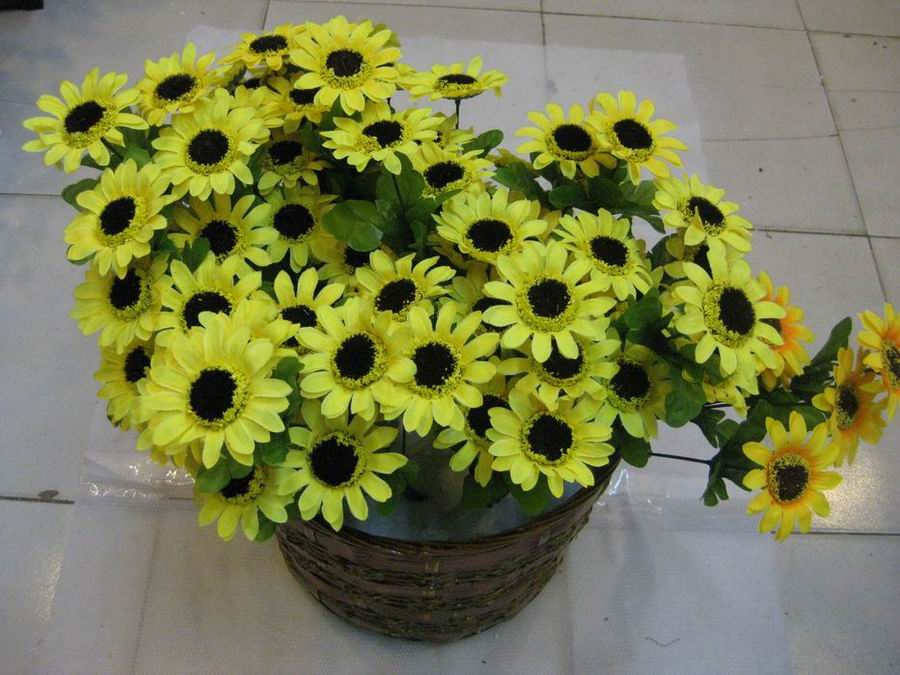
What are the precautions for spring care of potted flowers?
"Winter is easy to pass, but spring is hard" is a saying born of the experience of flower-growing experts. How can potted flowers safely get through spring? (1) Avoid cold wind. After potted flowers have endured the long cold winter indoors, as soon as early spring arrives people tend to throw open the front and back doors and windows; the cold wind then directly attacks the plants, causing tropical high-temperature-loving flowers
-
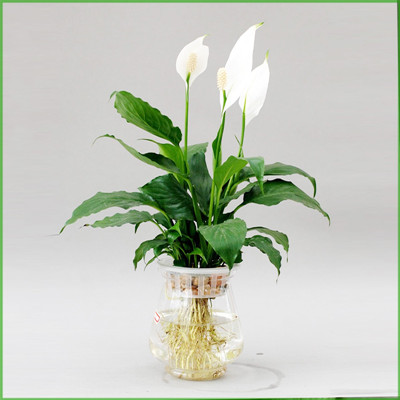
How to Grow a Peace Lily: Detailed Guide to Care Methods and Precautions
The peace lily has an auspicious meaning, and because of the shape of its flowers it is nicely named "smooth sailing". Since the peace lily is beautiful in both flower and leaf, light and graceful, vigorous in growth, and also shade-tolerant, it is deeply favored by people and is often used for indoor greening and decorative display. It is an excellent foliage plant and can be planted in the ground in southern regions.
-
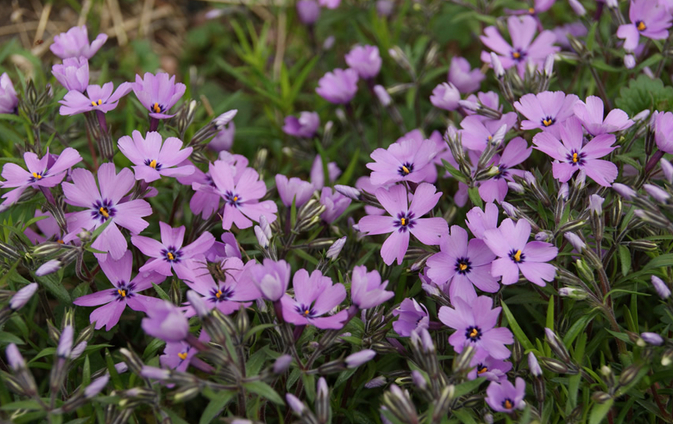
What are the cultivation methods and precautions for New Guinea Impatiens
The propagation of New Guinea Impatiens includes 3 methods: sowing, tissue culture, and cuttings. The sowing propagation time is generally in March-April, harvested at the right time, and sown immediately after harvesting. The suitable germination temperature is 22 degrees. The tissue culture propagation method has been successful and has begun large-scale production. In production, because New Guinea Impatiens has poor self-pollination ability
-
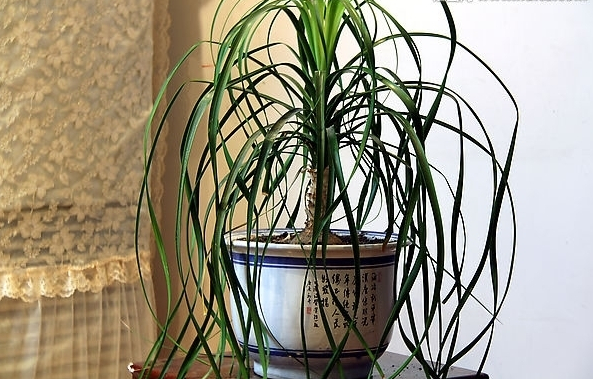
How to grow a ponytail palm? Detailed guide to care methods and precautions
Propagation methods The ponytail palm is mostly propagated by sowing, but no seeds have been seen to form when grown in China, and seeds are mostly imported from its place of origin. When sowing, sow the seeds in a substrate mixed with leaf mold and river sand, and keep it moist, but not too wet, otherwise it will cause rot. At a temperature of 20-25°C and in a semi-shaded environment
条件筛选