-

What are the planting precautions for thistle? Keep these points in mind
Planting precautions for thistle
-
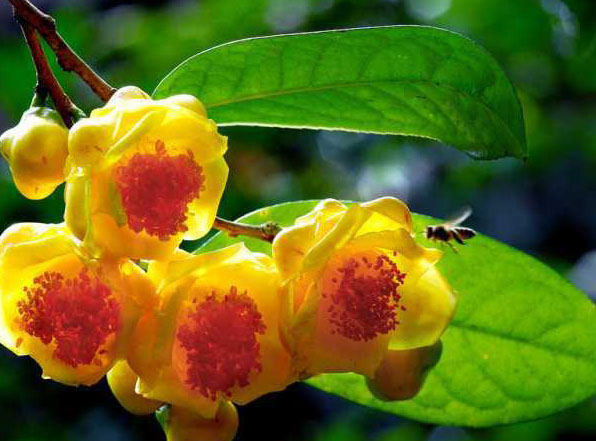
Care methods and precautions for potted Golden Camellia
For potting, it is best to use a growing medium made from leaf mold or peat soil mixed with some garden soil and river sand. To promote rapid growth, it should be planted in a well-ventilated clay pot. When planting, it is best to choose a deep cylindrical pot. Before potting, first place a layer of broken tile pieces at the bottom of the pot to improve drainage
-
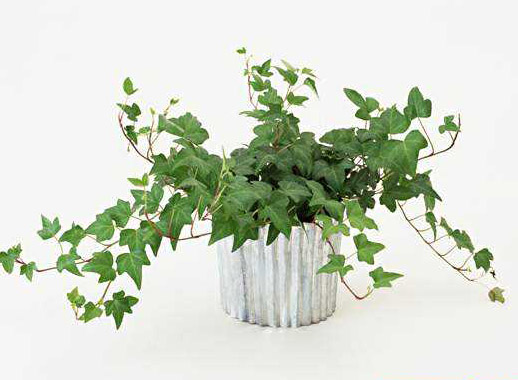
What are the precautions for propagating English ivy?
English ivy is mainly propagated by cuttings. From June to August, cut vigorous young shoots for cuttings, and each section must have at least 3 nodes. Before inserting, soak the cuttings in water first, then insert them, as this makes it easier for them to survive. After inserting, water thoroughly and cover with plastic film to maintain air humidity
-
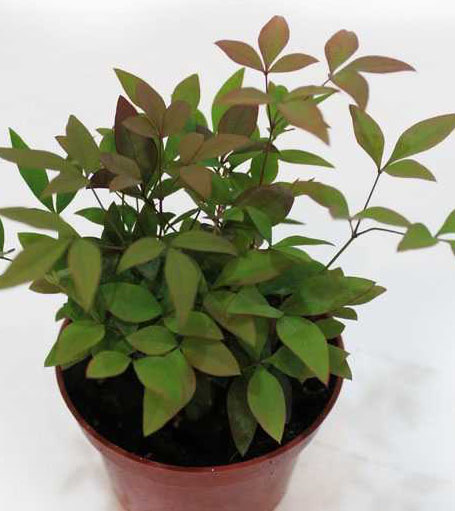
What are the cultivation precautions for Nandina domestica?
Nandina domestica prefers a warm, humid and semi-shaded environment, and a fertile, well-drained soil. The following points should be noted when cultivating it: (1) Potting soil. Seedlings can be potted once they reach 10-15 cm. The best potting soil is a culture soil mixed from 4 parts leaf mold, 5 parts river sand, and 1 part cake fertilizer powder.
-
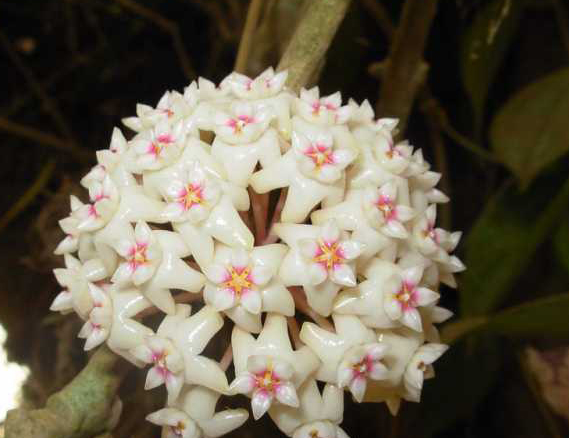
What are the care precautions for hoya? Keep these key points in mind
(1) Hoya is a succulent plant, and its leaves contain a lot of water. Therefore, it should not be watered too much, otherwise the roots are prone to rot. (2) For plants that have already developed flower buds or are blooming, the flowerpot should not be moved at will, otherwise it may easily cause flowers and buds to drop. (3) After the flowers fade, let them wither and drop naturally
-
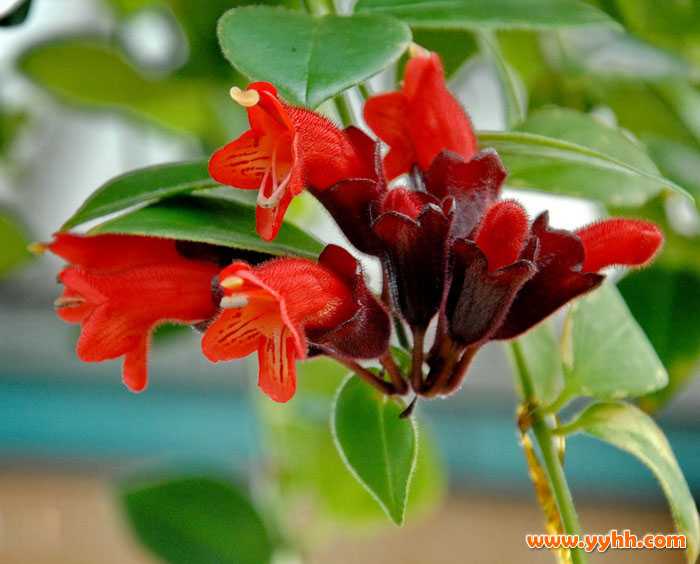
What are the care precautions for Aeschynanthus radicans?
Aeschynanthus radicans gets its name because its flowers resemble open lips. It is a perennial evergreen trailing plant, with branches that hang naturally downward. The flowers grow at the tips of the branches and face upward; the corolla is lip-shaped, red-orange, with a creamy yellow throat. (1) Aeschynanthus radicans grows well in bright, indirect light
-

How to grow campanula? Detailed guide to cultivation methods and precautions
Campanula, also known as bellflower and tile-tube flower, belongs to the genus Campanula in the family Campanulaceae. Native to southern Europe, it is cultivated in Jiangsu, Hubei, Fujian, Taiwan, China, and Yunnan. The plant has a sturdy form, with bell-shaped flowers resembling wind chimes, and bright, elegant colors. It is very popular in Europe and is a common herbaceous flower in small courtyards in late spring and early summer.
-

How to Grow Potted Datura? Cultivation Methods and Precautions
How do you grow potted Datura? This article introduces the cultivation methods and precautions for Datura, covering soil, watering, fertilizing, light, pruning and seed propagation techniques, and reminds you that the flowers and fruits are toxic and care must be taken to prevent poisoning.
-

What are the care methods and precautions for Hoya?
Hoya is also known as wax plant, waxflower, and porcelain flower. It is a perennial evergreen climbing succulent of the family Apocynaceae (milkweed family). The stems are fleshy and epiphytic, with aerial roots growing at the nodes; the leaves are opposite, fleshy, ovate or ovate-cordate, with entire margins and short petioles, glossy bright green; the flowers are axillary, borne in umbels
-
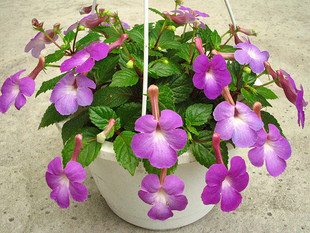
What are the care precautions for growing Achimenes (cup flower)?
Achimenes, also called cup flower and magic flower, is, like its close relatives gloxinia and African violet, deeply loved by people in Europe and America, and is often used as a star summer groundcover or hanging-basket plant. How popular it is can be confirmed by its many English common names.
条件筛选