-

What are the care precautions for potted parlour palm?
The parlour palm, also known as the miniature palm, is a small evergreen dwarf shrub of the palm family. The plant is short in stature; the stem is solitary, upright and unbranched, dark green, with irregular ring-like markings on its surface; the leaves are pinnately parted, divided into lanceolate segments, dark green, leathery and glossy; the flowers are yellow and borne in small spherical clusters, opening in late spring and early summer.
-

What are the care precautions for potted scarlet sage?
For potted scarlet sage, the potting soil can be made up of 4 parts garden soil, 4 parts leaf mold, and 2 parts river sand. When potting, apply a small amount of cake fertilizer powder at the bottom of the pot as a base fertilizer. Usually water by the "dry-wet cycle" method to promote root growth. Do not water too much in the early growth stage. If watered too much, the leaves easily turn yellow and drop, affecting flowering
-

What are the cultivation methods and precautions for Phlox drummondii
Phlox drummondii is also known as Fuluhua, Fulehua, and Wusemei. It originated in southern North America and is now widely cultivated in countries around the world. It is an annual herbaceous plant, not cold-tolerant, prefers warmth, and dislikes extreme heat. The flowering period is relatively long, and it is propagated by seed. When sowing, the soil covering should not be too thick; slight light exposure is best. The suitable germination temperature is 15-20°C
-

-
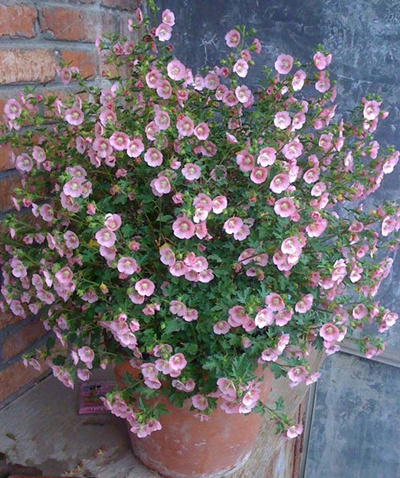
Care Methods and Precautions for Anisodontea capensis
The care of Anisodontea capensis is very important. It grows very fast, is afraid of drying out, needs a large pot, and once its leaves turn yellow there is no turning back. From my observations, it loves full sun except in summer, and it leans heavily toward the light, so you must keep turning the direction to keep it from growing lopsided.
-
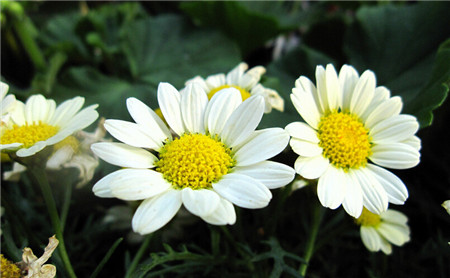
How to Grow Daisies? Detailed Guide to Cultivation Methods and Precautions
Growing daisies well is actually not difficult. Daisies are generally grown from seed. They love sunlight, adapt to a wide range of conditions, are relatively cold-tolerant, cannot stand extreme heat, prefer cool climates, and thrive in fertile soil rich in humus with good drainage. Daisies have a well-developed root system, and the plant grows to 12 cm tall.
-
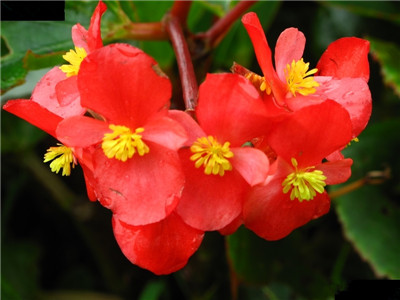
How to grow wax begonia? Growing methods and precautions
Wax begonia flowers are already loved by many people, so many people grow wax begonia flowers in their own homes. There are many varieties of wax begonia, with advantages such as a rounded plant shape, abundant and dense flowers, being very easy to combine with other flowerbed plants, and a long ornamental period with flowers blooming in all four seasons. Below, the editor introduces the growing methods for wax begonia.
-

What are the cultivation methods and precautions for the Dracaena deremensis 'Warneckii'?
1. Potted production standard: 14 cm pot, height 35 cm, crown width about 40 cm, market cycle 7-8 months. 2. Substrate preparation: use loose, well-draining and well-aerated imported Klasmann peat of 5-40 mm specification, add water to the peat and mix well (standard for adding water: after mixing with water,
-
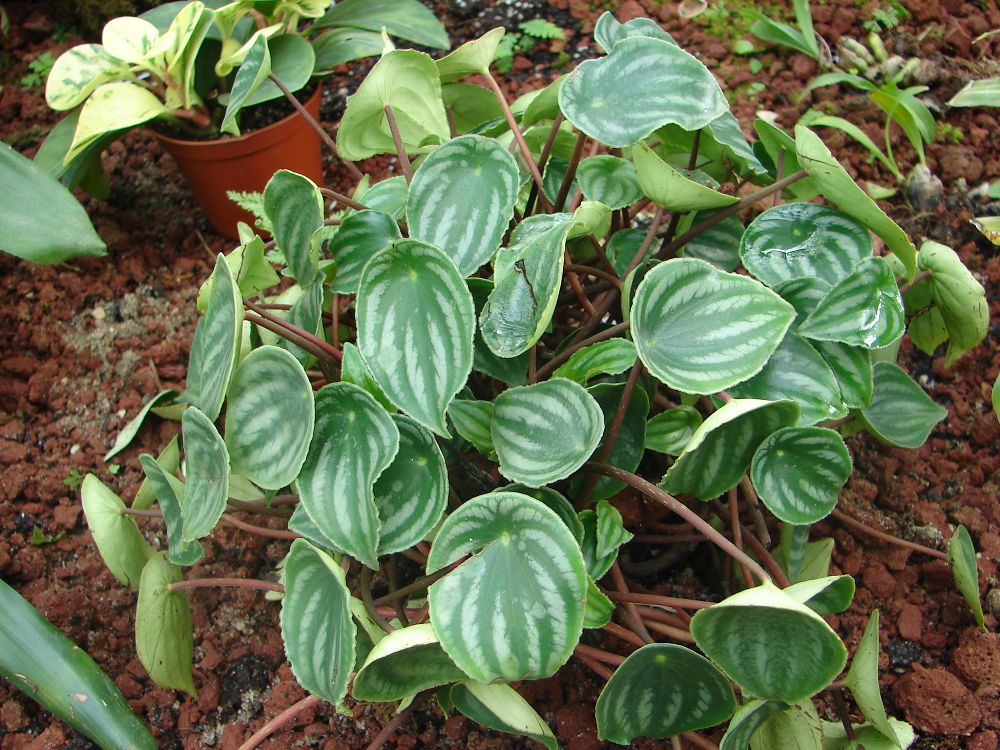
How to Grow Watermelon Peperomia? Detailed Guide to Cultivation Methods and Precautions
Division propagation can be done in spring and autumn. Choose a parent plant that has new shoots growing at the base. When repotting and changing the soil, take out the plant, shake off the attached soil, and use a sharp knife to cut off the new shoots based on their position and pot them up. When dividing, be careful to protect the root systems of both the parent plant and the new shoots. It can also be done when the plant has filled the pot
-
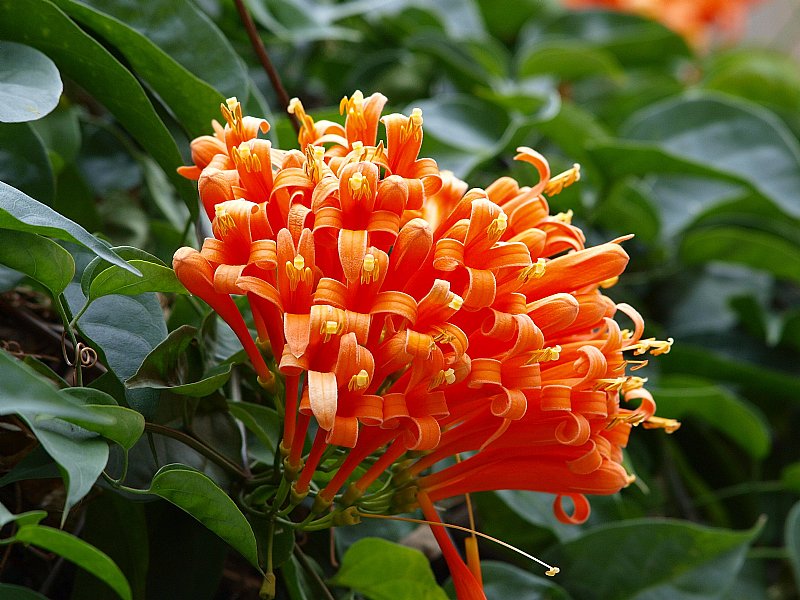
How to grow flame vine? Detailed guide to cultivation methods and precautions
Layering propagation or cutting propagation. Layering propagation can be done in spring or summer; roots begin to form in about 1 month, and in about 3 months it can be separated from the mother plant and transplanted. Cutting propagation is also carried out in spring and summer. For the cultivation site, choose a spot with ample sunlight and cool, breezy ventilation. Flame vine is not demanding about soil
条件筛选