How to prevent and control spinach stem blight? These measures must be mastered
During the spinach growing process, due to improper planting management, spinach is susceptible to infection by diseases, and stem blight is one of them. It not only affects the quality of spinach, but also causes reduced yield, which is a real headache. So how should spinach stem blight be prevented and controlled? Let's take a look together.
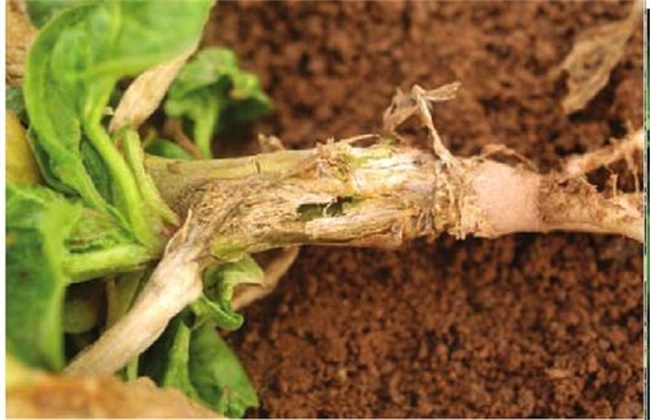
1. Damage symptoms
Spinach stem blight mainly harms seed-bearing plants. In the early stage of the disease, spindle-shaped or irregular gray lesions of varying sizes form on the stems. The edges of the lesions are dark brown, and many small black dots also grow on the lesions. When the disease is severe, the lesions encircle the stem, causing the leaves above the diseased area to wilt and droop. The cortex of the roots of diseased plants is mostly rotted, and in severe cases the plants die.
2. Transmission routes
The pathogen of spinach stem blight overwinters as mycelium and pycnidia with diseased residues in the soil, or as mycelium and conidia on seeds. After the plant becomes diseased, it first infects seedlings, forming black-foot seedlings. The pycnidia produced in the diseased area release conidia, which then spread in the field by wind and rain or irrigation, causing secondary infection. They begin by infecting old leaves, and at harvest invade the roots, forming black rot. If the top leaves are cut too low at harvest, or the plants are cut along the base of the petioles, the wounds created can also give the pathogen an opportunity, and may cause rot during storage.
3. Prevention and control methods
① Agricultural control
First, select disease-free spinach seeds. When necessary, they can be disinfected by soaking in warm water for one hour, and the sowing rate should be appropriately increased. Seeds propagated from diseased roots also have a high disease-carrying rate, so disease-free mother roots must be selected. Adding an appropriate amount of borax to the base fertilizer can significantly improve disease resistance.
② Chemical control
In the early stage of the disease, iminoctadine tris(albesilate), chlorothalonil, azoxystrobin, copper hydroxide, cuprous oxide, and famoxadone can be diluted with water and sprayed. Depending on the condition of the disease, spray once every 7-10 days, for 2-3 consecutive times, for a relatively good control effect.
The above is an introduction to the prevention and control measures for spinach stem blight. I hope it can help you. To learn more related knowledge, please follow us.