-
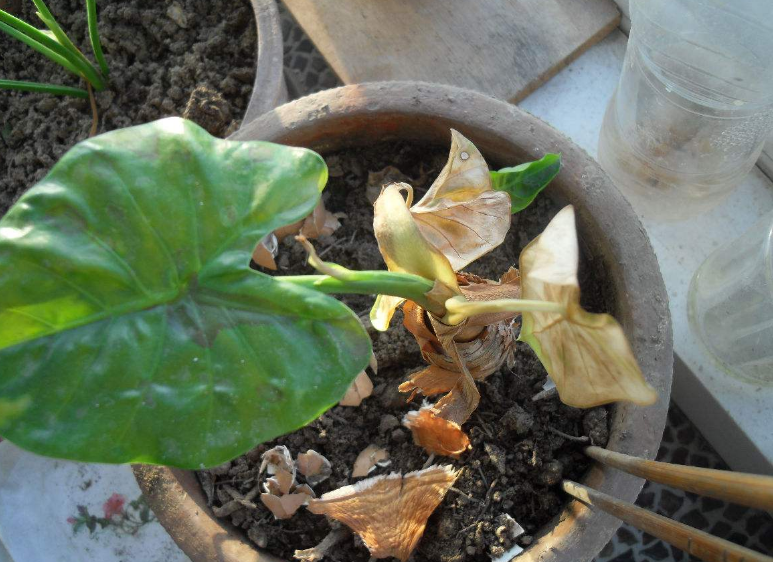
What to do when Alocasia (drip-tip Guanyin) leaves turn yellow and growth declines after being kept for a long time
Drip-tip Guanyin, also called Alocasia (Alocasia macrorrhizos), is a very good ornamental plant. Its flowers look like Guanyin, which is why it is called drip-tip Guanyin. It likes warm and humid environments. However, keeping drip-tip Guanyin at home, especially indoors, also requires attention to many aspects, otherwise the leaves will turn yellow and the plant will grow very weak, and it might even die on you.
-

Growing dragon fruit has its tricks, and it is well suited to being developed as a rural project
Dragon fruit is a climbing succulent plant. The fruit is oblong or ovate, with red skin, fleshy, bearing ovate scales with sharply pointed tips, and the flesh inside is like...
-
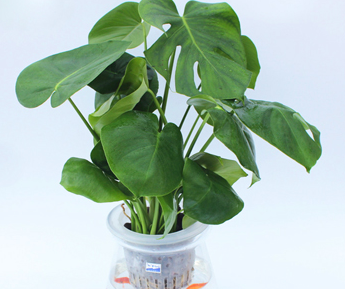
Can Monstera deliciosa be grown in water after being cut? Pest and disease control methods
When it comes to Monstera deliciosa, it can be grown in water, which everyone knows; it is cultivated the same way as lucky bamboo. Let's take a look: can Monstera deliciosa be grown in water after being cut? How do you control pests and diseases on Monstera deliciosa: Can Monstera deliciosa be grown in water after being cut: Monstera deliciosa itself is propagated by cuttings
-
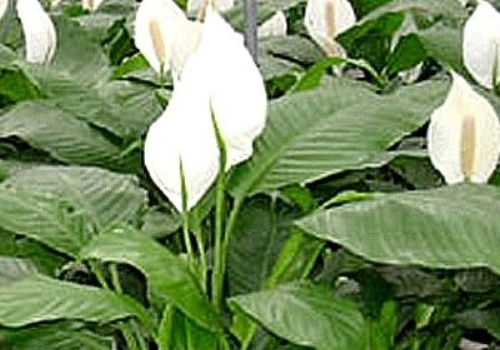
Why does a peace lily turn green after being grown in water?
The peace lily (Spathiphyllum) is very attractive, with white flowers. How do you grow a peace lily in water? Why does it turn green? How to grow a peace lily in water: 1. Steps: Remove it from the pot, take the soil-grown plant out of its pot, clear away the old soil around the roots, and rinse clean with water. Cut off the aged and rotten roots. Plant it, fixing the plant in a planting basket to hold it steady.
-

Tea dregs can be used for wastewater treatment, turning waste into treasure and being more eco-friendly
Besides deodorizing and serving as fertilizer, tea dregs can also be used to treat wastewater! Weng Zhihuang, a professor at I-Shou University in Taiwan, China, discovered that tea dregs can effectively adsorb heavy metals such as hexavalent chromium in sewage, making them a cheap and effective bio-adsorbent. In experiments, Weng Zhihuang found that by repeatedly steaming and washing tea leaves with a pressure cooker and deionized water to remove organic acids from the tea, then drying and grinding them into powder, wastewater can be treated. The maximum adsorption capacity of black tea leaf powder reaches as high as 117 mg/g, making it more effective than traditional chemical treatment agents, and
-
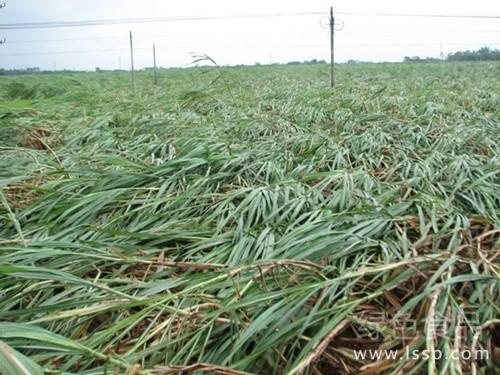
Sugarcane tends to become hollow or pithy after lodging; how to prevent it from being blown over by strong winds
Lodged sugarcane easily becomes hollow or pithy; how to prevent strong winds from blowing over sugarcane
-
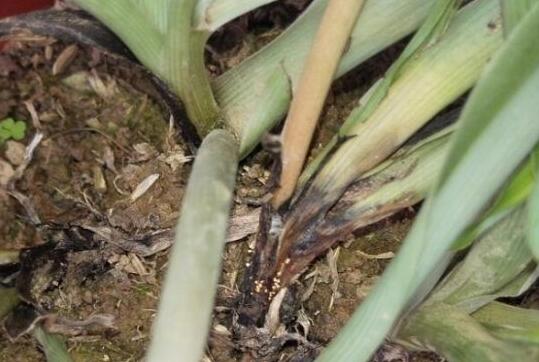
Causes of Root Rot in Spider Plants and How to Fix It, with Watering and Fertilizing Being Key
When growing spider plants, you often run into some headache-inducing problems, such as yellowing leaves, root rot and so on. So what causes spider plant root rot? What should you do about spider plant root rot? Let us give you a detailed answer.
-
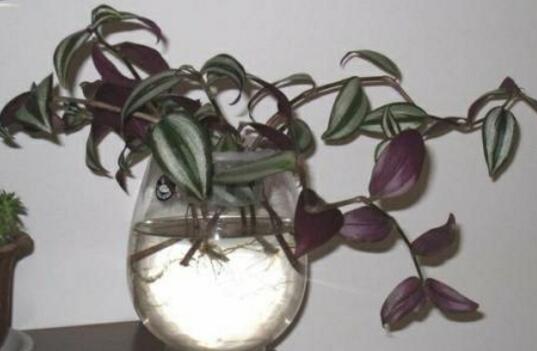
Can Tradescantia zebrina be grown in water? A detailed guide to the hydroponic method, with regular water changes being the key point
Can Tradescantia zebrina be grown in water? Tradescantia zebrina can be grown hydroponically. As long as the method is right and you know how to care for Tradescantia zebrina, it can be kept alive easily. In the hydroponic process, temperature, light and water changes are very important, and it differs greatly from soil culture. Hydroponic method for Tradescantia zebrina: preparation
-
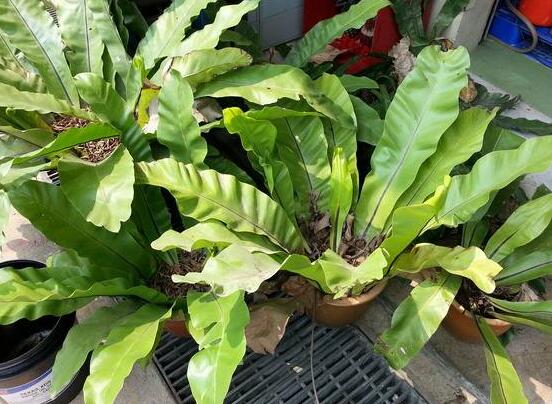
How to Grow and Care for Bird's Nest Fern: Keep Light from Being Too Strong
Among foliage plants, the bird's nest fern is known for its lush, large fronds, and it has many uses and benefits, so many people grow it. So is the bird's nest fern easy to grow? The answer is that it is very easy to grow. And how do you grow a bird's nest fern? Let's look at the growing methods and precautions for the bird's nest fern.
-
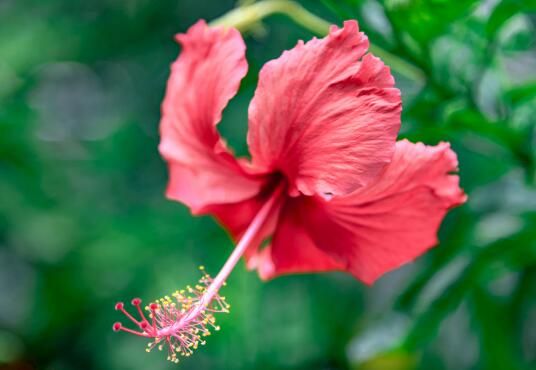
How to prevent and control pests and diseases in hibiscus: 2 pests and 2 diseases, with medicinal control being the most direct
Pests and diseases are problems that no plant wants to encounter, and hibiscus is no exception. If we are not careful during cultivation, they can easily take advantage of the situation. These problems are extremely harmful to the plant, so when they appear, we must deal with them promptly. Regarding how to prevent and control pests and diseases in hibiscus
条件筛选