Growing dragon fruit has its tricks, and it is well suited to being developed as a rural project
Dragon fruit is a climbing succulent plant. The fruit is oblong or ovate, with red skin, fleshy, bearing ovate scales with sharply pointed tips, and the flesh inside is like sweet cream, yet studded with small black seeds. Its texture is mild and its flavor is delicate and fragrant. It is one of the more popular fruits, and its prospects for cultivation are quite good.
Dragon fruit is a tropical and subtropical fruit. It likes light and tolerates shade, tolerates heat and drought, likes fertilizer and tolerates poor soil, and it has relatively high requirements for soil and climate. It grows rapidly in a warm, humid environment with ample light. During open-field cultivation in spring and summer, it should be watered more so that its root system stays in a vigorous growth state, and in continuous rainy weather it should be drained promptly to avoid infection by pathogens that causes the stems and flesh to rot.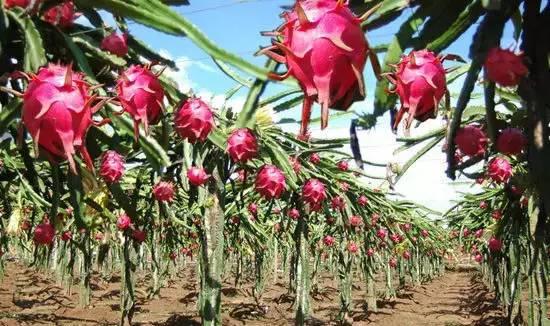
Dragon fruit only begins to flower and bear fruit 12-14 months after planting. It can flower 12-15 times each year, with the fruiting period from April to November. The fruit ripens 30-40 days after the flowers fade, and a single fruit weighs 500-1000 g. In the second year after planting, each column produces more than 20 fruits, and in the third year it enters the full fruiting period.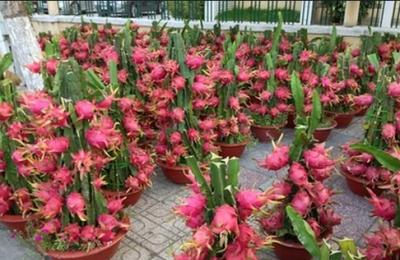
When the branches of the dragon fruit grow to 1.3 m-1.4 m, the growing tips should be pinched off, which can promote branching growth and let the branches droop naturally, accumulating nutrients and bringing flowering and fruiting earlier. As for branches that have already borne fruit, these branches should be cut off each year after harvest to promote the growth of new branches and ensure the dragon fruit yield for the coming year.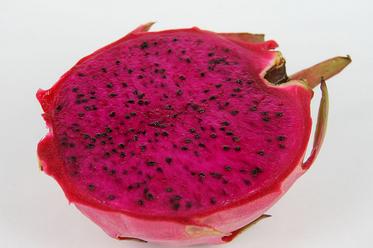
To increase the fruit set rate, interplanting is chosen when planting, thereby improving pollination between different varieties. Overall, dragon fruit cultivation starts from several aspects: soil selection, planting, pruning, fertilizing, and pest and disease control. In addition, it should be noted that dragon fruit has relatively high cultivation costs and fairly high risks. Moreover, since the white-fleshed varieties have already become widespread, other varieties can be grown to ensure sales.