-
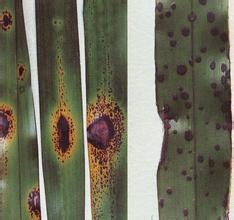
What are the symptoms of orchid round leaf spot? The prevention and control methods explained in one article
Leaf spot is a common leaf disease of orchids, found in Fujian, Jiangsu, Zhejiang, Shanghai, Nanjing and other places. Symptoms: The disease mainly affects the leaves. In the early stage, small brown spots appear on the leaves and rapidly expand into round patches, relatively wide, with a light brown center, and yellow small protrusions growing on both the front and back sides, occurring on the upper...
-
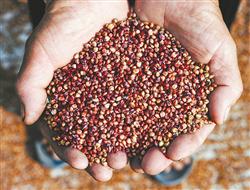
What are the nutritional characteristics of sorghum? Read this one article to understand
What are the nutritional characteristics of sorghum? Please note that the main utilized parts of sorghum include the grain, rice bran, and stalks. Among these, the main nutrient contents in the grain are: crude fat 3%, crude protein 8-11%, crude fiber 2-3%, and starch 65-70%. 1. Protein The grain generally contains 9-11%, of which about 0.28% is lysine, ...
-
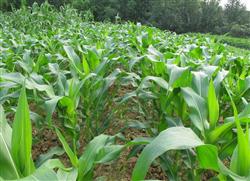
How is corn bred? Understanding corn breeding methods in one article
How is corn bred? Please explain corn's natural cross-pollination habit and the heterozygosity of its genetic basis, as well as the breeding procedure that exploits the heterosis of F1 generations between inbred lines arising from this, which together form the particularity of corn breeding. With almost no exception, every successful corn breeder and research institute starts from...
-
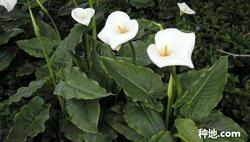
Can calla lilies bloom all year round? This article answers your question
Can calla lilies bloom all year round? Find out. Calla lilies can bloom all year round; you can refer to the following methods for growing them: calla lilies mostly bloom in late autumn and early spring, and the flowering period can extend into early summer, while in midsummer the leaves turn yellow in large numbers, new leaves do not emerge, and the plant enters a dormant period, only sprouting again after the Start of Autumn. To make calla lilies...
-
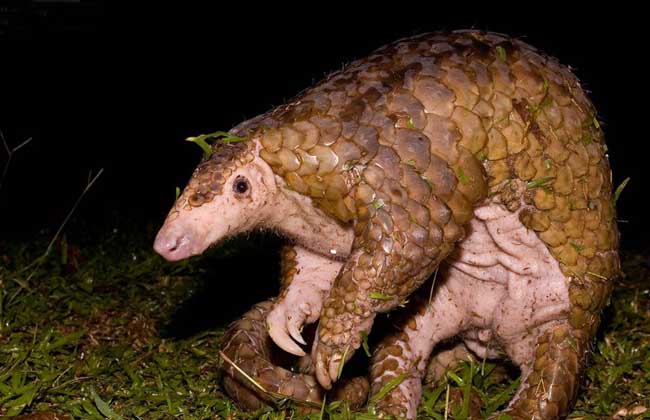
What are the living habits of pangolins? A comprehensive guide in one article
The living habits of pangolins
-
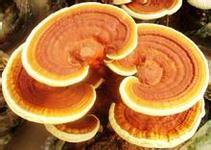
Understanding the Medicinal Value and Cultivation Techniques of Reishi Mushroom in One Article
Reishi mushroom, also known as divine grass, ten-thousand-year grass, red reishi, crimson reishi, wood reishi, etc. There are more than 40 species in China, with the more common and well-known ones being purple reishi, pine-fir reishi, black reishi, purple-glow reishi, etc. Reishi mushroom has a medicinal history of over two thousand years in China. In addition to containing minerals such as potassium, phosphorus, magnesium, calcium, iron, and manganese...
-
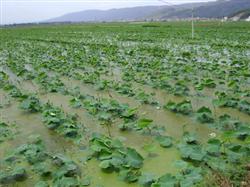
What is the difference between deep-water lotus root and shallow-water lotus root? Explained in one article
What is the difference between deep-water lotus root and shallow-water lotus root? Please give an introduction. Deep-water lotus root and shallow-water lotus root are different. According to the adaptability of lotus root to water level, it can be divided into two ecological types: shallow-water lotus root and deep-water lotus root. Shallow-water lotus root is suitable for a water level of 10-20 cm, with a maximum water depth tolerance of 30-50 cm. Deep-water lotus root is suitable for a water level of 30-50 cm, with a maximum water depth tolerance...
-
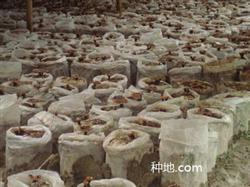
What are the new techniques for cultivating reishi mushroom? Read this article to understand
Are there any newer techniques for cultivating reishi mushroom? Where can you see and learn the following several cultivation methods for reishi mushroom for reference? Reishi mushroom (Ganoderma lucidum) is a traditional fungal medicine in China. As a traditional Chinese medicine and a tonic for prolonging life, it has a history of a thousand years. The domestic market potential is huge, and the prospects for developing the reishi mushroom production industry are broad....
-
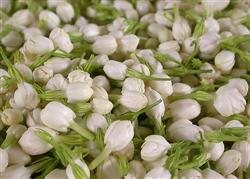
What are the common pests and diseases of jasmine? Understand them in one article
What are the common pests and diseases of jasmine? The main diseases and control methods of jasmine during its growth period are as follows: 1. Stem rot: This disease occurs at the base of the stem. In the early stage, the lesion is a brown spot, water-soaked. The lesion expands longitudinally into a stripe-like shape. The edge is dark brown, the inside is grayish brown, and in the later stage the lesion tissue rots and splits longitudinally, and...
-
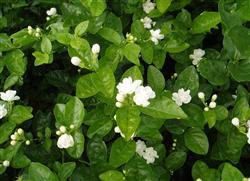
How do you manage jasmine planting? Understand the key methods in one article
How do you manage jasmine planting? Please provide guidance. To grow jasmine, you can refer to the following methods for management: 1. Water frequently. Jasmine likes a moist environment, and during its flowering period, watering is even more important. Because summer temperatures are relatively high and the plant transpires heavily, sufficient water should be given, with one thorough watering each in the morning and evening, and in the morning and...
条件筛选