-
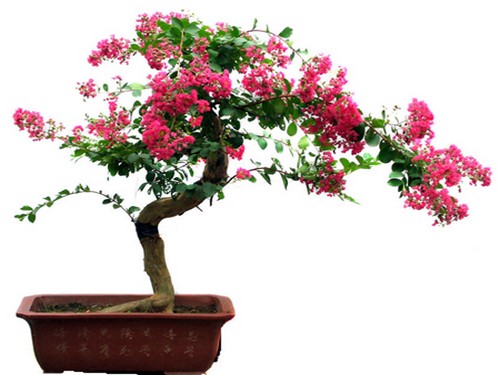
What are the propagation methods for crape myrtle bonsai? This article will teach you
The crape myrtle (Lagerstroemia indica) has a graceful tree form, smooth trunks, brilliant flowers and an exceptionally long blooming period; its flowering can span summer into autumn for more than a hundred days. It is an excellent ornamental, suitable both for beautifying courtyards, parks and green spaces, and for growing in pots for display. Crape myrtle likes sunlight, tolerates slight shade, is drought-tolerant but dislikes waterlogging, tolerates pruning well, and has strong suckering ability. It also grows well on calcareous soil
-

What are the propagation methods for narcissus? This article explains them in detail
People love flowers and often give them all kinds of symbolic meanings, and a pure and noble flower like the narcissus is naturally not to be missed. The narcissus is one of the top ten famous flowers of China and a fine traditional offering in Chinese folk culture. Every New Year, people like to display narcissus as a floral decoration for the festival. The Chinese narcissus is a perennial herbaceous plant.
-
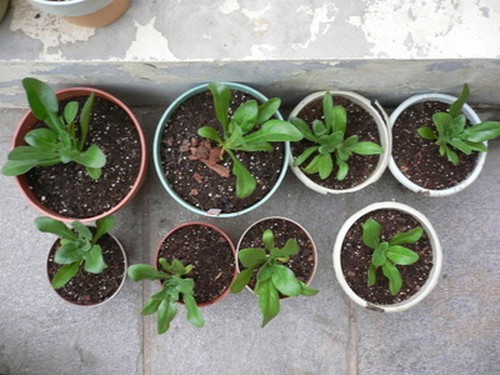
What are the propagation methods for Calendula? This one article teaches you to master them easily
Calendula (Calendula officinalis) has a very strong resistance to sulfur dioxide and also has some resistance to cyanide and hydrogen sulfide, making it an excellent pollution-resistant flower. It is also a major material for spring flower beds and can be used as a cut flower and potted plant. It is suitable for central plazas, flower beds and flower borders, and can also be used as an edging flower for lawns or for potted display
-
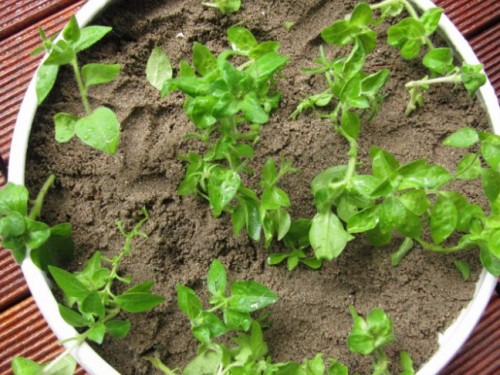
What are the propagation methods for snapdragons? This article will teach you
The propagation methods for snapdragons include seed sowing and cuttings. For the seedbed, choose a sandy loam soil with a loose soil structure, a low groundwater table, good drainage and rich organic matter. Water the seedbed thoroughly, mix the seeds with fine sand at a ratio of 1:4 and sprinkle the mixture over the growing medium. Take cuttings in spring and autumn, making a hole and inserting the cutting at the same time, then firm the soil and spray water in the morning and evening.
-
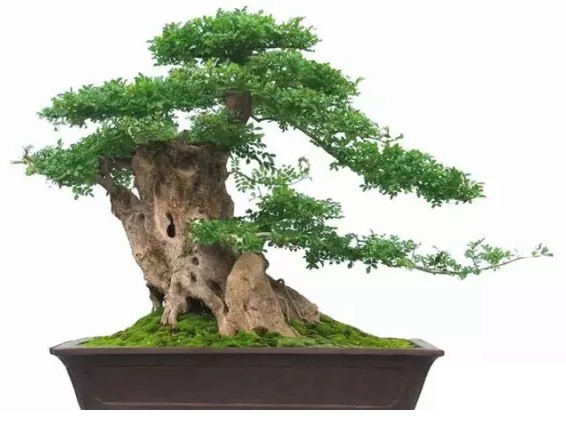
What is Yangzhou-style penjing? Learn its main characteristics in one article
Yangzhou-style penjing is one of the outstanding traditional arts of the Han Chinese and one of the five major schools of Chinese penjing. It began in the Tang Dynasty and is a penjing art school named after Yangzhou City, Jiangsu Province. Its crafting technique of one cun (one cun is 3.3 cm) with three bends can be said to be unmatched in the world. In order to better protect this special set of penjing-making techniques,
-
What are the principles for matching tree bonsai with pots? Explained in one article
China produces a great variety of pots, with ever-changing styles and extremely rich colors. In terms of material, there are clay pots, pottery pots, glazed pots, porcelain pots, stone pots, and so on, each with different properties and uses, among which pottery pots and glazed pots are more commonly used. Yixing sandy pottery pots and Guangdong Foshan glazed pottery pots have a long history
-
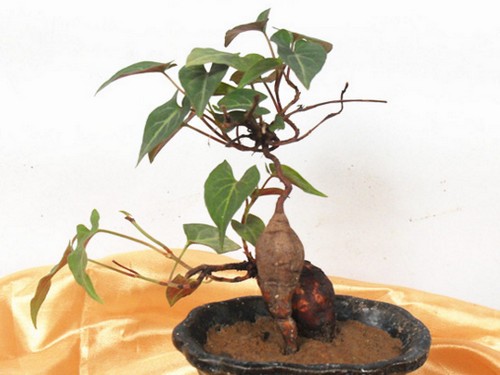
How to grow a Polygonum multiflorum bonsai? Understand the cultivation method in one article
Polygonum multiflorum is used in both raw and prepared forms. Raw Heshouwu can detoxify, reduce abscesses, and lubricate the intestines to relieve constipation. It mainly treats scrofula, sores and abscesses, rubella with itching, and dry-intestine constipation. Prepared Heshouwu tonifies the liver and kidneys, replenishes essence and blood, darkens the beard and hair, and strengthens the bones and muscles. It mainly treats blood-deficiency sallow complexion, dizziness and tinnitus, premature graying of the beard and hair, soreness and weakness of the waist and knees, numbness of the limbs, and abnormal uterine bleeding and leukorrhea
-
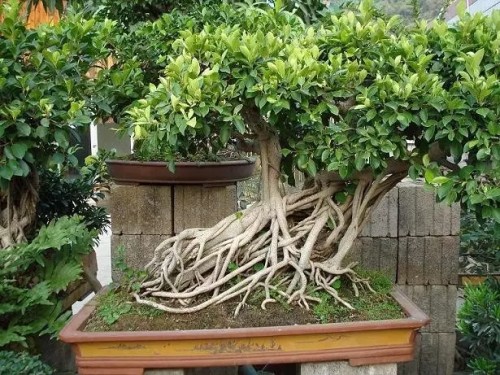
How to care for a Ficus microcarpa bonsai? Methods and tips explained in one article
Ficus microcarpa is a plant commonly seen in the south, and like all Ficus plants it has dense aerial roots. These aerial roots grow very elegantly, like a hanging curtain, yet they point firmly straight down to the ground, and their feel is not smooth at all but full of strength. Once they enter the soil they can grow root systems, supporting the crown as it keeps extending
-
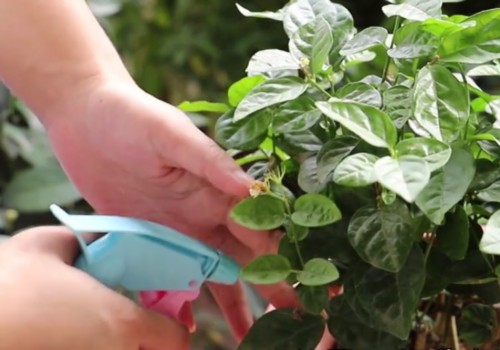
How to Grow Jasmine? One Article Explains the Care and Management Techniques
Jasmine is an evergreen plant with snow-white flowers, and whenever it blooms, people can often feel its pure beauty. At the same time, when jasmine blooms, it also gives off waves of delicate fragrance, making people feel relaxed and happy, extraordinary and refined, and this elegant beauty of jasmine is also quite loved by cute little girls, making it hard to put down.
-
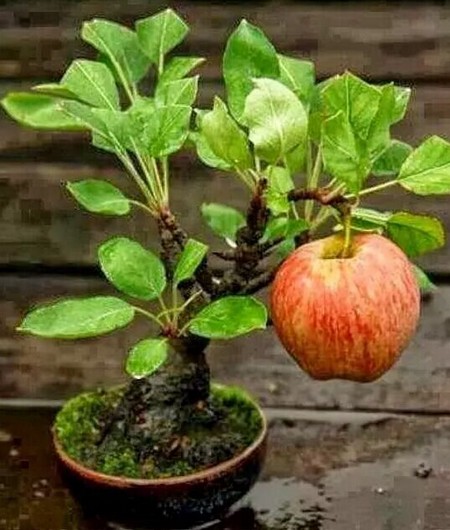
5 major characteristics of fruit tree bonsai, explained in one article
Fruit tree bonsai is a product of combining modern fruit tree cultivation techniques with traditional bonsai art, integrating flower appreciation, fruit viewing and scenery appreciation into one, so that beauty of form and beauty of abundance are displayed at the same time. In spring, the flowering branches are delicate and beautiful, gorgeous as brocade; in summer, full of vitality, crisp and ready to drip, the fruit grows from small to large, changing with each passing day; in golden autumn, the abundant fruit is a riot of color
条件筛选