Understanding the Medicinal Value and Cultivation Techniques of Reishi Mushroom in One Article
Reishi mushroom, also known as divine grass, ten-thousand-year grass, red reishi, crimson reishi, wood reishi, etc. There are more than 40 species in China, with the more common and well-known ones being purple reishi, pine-fir reishi, black reishi, purple-glow reishi, etc. Reishi mushroom has a medicinal history of over two thousand years in China. In addition to containing minerals such as potassium, phosphorus, magnesium, calcium, iron, and manganese...
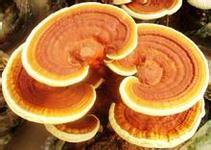
Reishi mushroom, also known as divine grass, ten-thousand-year grass, red reishi, crimson reishi, wood reishi, etc. There are more than 40 species in China, with the more common and well-known ones being purple reishi, pine-fir reishi, black reishi, purple-glow reishi, etc.
Reishi mushroom has a medicinal history of over two thousand years in China. In addition to containing minerals such as potassium, phosphorus, magnesium, calcium, iron, and manganese and proteins, it also contains precious components such as organic germanium, high-molecular polysaccharides, and triterpenoid compounds, which can treat neurasthenia, dizziness, insomnia, and palpitations, and have varying degrees of therapeutic effect on chronic hepatitis, pyelonephritis, bronchial asthma, stomach disease, duodenal ulcer, hypertension, coronary heart disease, leukopenia, high serum cholesterol, and cancer, without side effects. For thousands of years, reishi mushroom has been regarded by the Chinese people as an "immortal grass" capable of curing all diseases and a miraculous panacea for "eternal youth" and "bringing the dead back to life," and many wonderful and moving stories have been passed down for this reason.
Although reishi mushroom is not a medicine for eternal youth, it can indeed treat many diseases and is a medicinal health food for nourishing and strengthening the body and inhibiting bodily abnormalities. One of the most precious components of the reishi fruiting body is organic germanium, whose content is 3 to 6 times higher than that of ginseng. Germanium can make blood circulation smooth, enhance the ability of red blood cells to transport oxygen, promote metabolism, delay aging, and can combine with pollutants and heavy metals in the body to become organic germanium compounds and be excreted from the body; reishi mushroom also contains high-molecular polysaccharides that can enhance human immunity and play a good role in cancer prevention and treatment.
Due to the unique effects of reishi mushroom, in recent years, Hong Kong, China and Taiwan, China and other places have also seen a reishi mushroom craze, developing a variety of medicines, beverages, foods, and beauty cosmetics using reishi mushroom as a raw material. China is very rich in reishi mushroom resources, so it is very necessary to vigorously develop the domestic and international reishi mushroom market.
I. Cultivation Methods of Reishi Mushroom
Using natural temperature for indoor bag cultivation of reishi mushroom, production of cultivation spawn usually begins in late April and ends in early October. Bottle cultivation, plastic bag cultivation, and log cultivation are relatively common.
(1) Bottle cultivation of reishi mushroom: ① Selection of bottles: generally a 750 ml mushroom bottle is best, and other similar wide-mouth bottles can also be used. ② Preparation of cultivation material: A. Mixed wood sawdust 78%, wheat bran 20%, sugar 1%, gypsum powder 1% (material-to-water ratio 1:1-1.1). B. Corncob 30%, mixed wood sawdust 50%, wheat bran 19%, gypsum powder 1% (material-to-water ratio 1:1.1-1.2). C. Wheat straw powder 25%, rice straw powder 25%, mixed wood sawdust 30%, wheat bran 18%, sugar 1%, gypsum powder 1% (material-to-water ratio 1:1.2-1.3). ③ Filling and sterilization: When filling, put the prepared culture medium into washed mushroom bottles, continuously patting and tamping. Fill the material to 3/4 of the bottle height, flatten the upper surface of the material, then use the tip of a small wooden stick to poke a hole in the center of the culture medium to facilitate thorough sterilization and mycelial growth. When filling, the tightness should be moderate and the depth appropriate. After filling, wipe the outer wall of the bottle clean, insert a cotton plug, and sterilize. Use 100°C steam to maintain constant-temperature sterilization for 12 hours, then move into a room and inoculate the spawn under aseptic conditions. ④ Cultivation and management: During the cultivation of mycelium and fruiting bodies, bottle-cultivated reishi mushroom has basically the same requirements for temperature, humidity, light, and other conditions as bag-cultivated reishi mushroom. The mycelium culture medium should be placed upright, with upright mycelial growth and mushroom formation. When the mycelium has fully grown and mushroom buds appear, promptly remove the cotton plug to allow the fruiting body primordium to grow toward the bottle mouth.
(2) Bag cultivation of reishi mushroom: Select low-pressure polyethylene tube material of 15 cm × (38-40) cm with a thickness of 0.04 mm, or polypropylene plastic bags of width 15-17 cm and length 35-40 cm. First tie one end of the tube material tightly with plastic rope, then fill the material firmly. When the culture material is filled to 6-8 cm from the bag mouth, squeeze out the air inside the bag mouth and tie it tightly. Generally, each bag holds about 0.4 kg of material. After filling, an ordinary earth stove can be used for atmospheric-pressure sterilization. Sterilization must be thorough, at 100°C for 10-12 hours, then cooled to about 40°C before removing from the stove and moving into the inoculation room. Generally, each bottle of spawn is transferred to about 20 bags. Cultivate for about 30 days at 22°C-30°C. Open 3 holes of about 1.5 cm diameter on the bag wall of each bag, then move to the outdoor mushroom-producing site, with the holes facing up and placed horizontally in beds. The bed width should be within 1 m, and the bed surface should be evenly covered with a 1 cm thick layer of soil to help retain moisture.
(3) Log cultivation of reishi mushroom: so-called log cultivation is cutting tree trunks or branches into sections as culture medium for cultivation. What is currently worth promoting is short-log sterilized-material cultivation, where each cubic meter of wood can yield 5-10 kg of reishi fruiting bodies, with high yields reaching 15 kg. The yield level is related to the type of log, cultivation techniques, etc. The mushroom-producing cycle is generally 2-3 years, and the economic benefit is very obvious. The method of short-log sterilized-material cultivation of reishi mushroom is briefly introduced as follows: ① Process flow: tree selection → felling → cutting into sections → bagging → sterilization → inoculation → cultivation → bag removal → soil burial → management → mushroom production → harvesting → drying → grading → sub-packaging → finished product. ② Tree selection, section cutting, and bagging: the selected trees should mainly be Fagaceae tree species; maple and photinia are also acceptable. Logs with a diameter at breast height of 8-20 cm and a moisture content of 32%-42% are suitable. Each cubic meter of log can be cut into about 850 short logs of 10 cm diameter and 15 cm length; after cutting into sections, pack them tightly in plastic bags. ③ Sterilization, inoculation, and mycelium cultivation: use 100°C atmospheric-pressure sterilization, with the time required to be maintained for 10-12 hours. Inoculate 50-80 bottles per cubic meter of log, and cultivate indoors at 25°C-28°C for about 2 months. ④ Bag removal and soil burial: during the cultivation period, once the mycelium has grown well, the bags can be removed. Before burying in soil, choose high ground with good drainage, ventilation, and openness as the site for log cultivation, and make beds and ditches and set up frames for shading. ⑤ Cultivation and management: during the mycelial growth stage, the temperature should be controlled at 22°C-28°C, while requirements for air relative humidity, ventilation, and light are not strict. During the formation and differentiation stage of fruiting bodies, the temperature should be about 26°C, relative humidity should be maintained at 85%-95%, light should mainly be scattered light, avoiding direct strong light, and good ventilation conditions are required.
(4) Soil covering for bottle-cultivated reishi mushroom: when the reishi mycelium has grown to 1/2 or 2/3 of the bottle height, remove the covering at the bottle mouth. Then cover the mycelium on the surface of the bottle mouth with a 1-2 cm high layer of sandy soil. Practice has shown that the mycelial growth rate of reishi mushroom with soil covering doubles, fruiting bodies can grow 20 days earlier, there is no or very little contamination by miscellaneous fungi at the bottle mouth, and the fruiting bodies grown after soil covering have normal and beautiful morphology. (5) Soil covering for bag-cultivated reishi mushroom: after inoculation, place the fungus bags in the cultivation room for one month, and the mycelium will grow throughout the entire bag. Then remove the bags and place them in prepared beds. The bed width is 1-1.5 m, the length is unlimited, and ditches are opened around. The ditch width and depth are each 30 cm. Place the fungus sticks while covering with soil. The spacing between each fungus stick is 7-10 cm. After filling the soil level, cover the top of the fungus sticks with 0.5-1 cm of thick soil and set up a shed for shading. During the growth period, keep the covering soil moist, bringing the moisture content to 90%.
II. Harvesting of Reishi Mushroom
Maturity standard of reishi mushroom: harvest promptly when the fruiting body changes from light yellow to yellowish brown, the ring of tender yellow at the edge of the cap disappears, the white growth points around the cap disappear, the cap begins to become leathery, and spores are being released.
At harvest, a sharp knife can be used to cut the stipe, leaving a stipe length of about 0.5 cm. The cut should be flat, so that fruiting bodies will continue to grow on the original stipe.
Within 1-2 days after harvesting, persist in spraying water and continue cultivation, and a second flush of fruiting bodies can grow on the original stipe. After one month, the second batch of reishi mushroom can be harvested.
After harvesting, cut off the fungal base at the base of the stipe, sun-dry, and promptly seal in a moisture-proof plastic bag, then store in a dry warehouse. Pay attention to checking for mold and insect damage at any time, and if found, remove promptly.