-
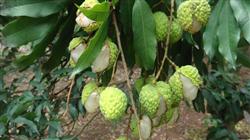
How to prevent lychee fruit cracking? Calcium application is an effective method
In recent years, lychee fruit cracking (in cultivars such as Nuomici, Guiwei, Sanyuehong, Lusha, and Tianyan) has become fairly common. Lychee fruit cracking mostly occurs during the fruit enlargement stage, generally at 20-30% in normal years, and reaching 50% in severe cases. There are many domestic reports on the causes and mechanisms of lychee fruit cracking, and many researchers have mentioned...
-
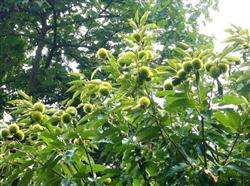
Technical points for supplementary application of micronutrient fertilizers after chestnut harvest
The main cause of low yields and high rates of empty burrs in chestnut orchards is the failure to apply or spray boron micronutrient fertilizer during management. When the soil available boron content is lower than 0.5 parts per million, it affects the normal fertilization process of chestnut, causing early embryo development to stall, thereby forming empty burrs. In production, one can seize the period after harvest...
-

Techniques for Achieving High-Quality, High and Stable Yields in Rapeseed through Heavy Application of Boron Fertilizer
Rapeseed is a boron-demanding crop, and especially high-yield, high-quality cabbage-type "double-low" hybrid rapeseed is particularly sensitive to boron deficiency. Boron deficiency at the seedling stage causes slow rooting, dark green and wrinkled leaves, and stunted growth; boron deficiency at the bud-bolting stage causes swelling of the root crown, leaves turning purple to blue-purple, and abnormal flower bud development; boron deficiency at the flowering stage causes plant dwarfing and abnormal pollen...
-
Effect of phosphorus nutrition on double-low rapeseed and the timing of application
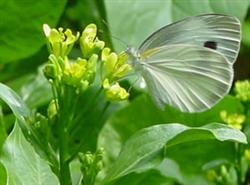
Rapeseed white butterfly, scientific name Artogeia (Pieris) rapae (Linnaeus), order Lepidoptera, family Pieridae. Synonym Artogeia rapae (L.). Also known as the cabbage white butterfly, white powder butterfly. The larva is called the cabbage caterpillar. Distributed throughout the country. Hosts include rapeseed, cabbage, cauliflower, Chinese cabbage, radish and other cruciferous vegetables...
-
Key Technical Points and Operation Methods for Single-Application Fertilization of Rice
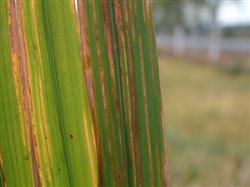
Distribution Rice bacterial leaf streak, commonly known as rice fine streak disease, is one of the important worldwide rice diseases. Its pathogen belongs to the genus Xanthomonas bacteria, and the bacteria mostly invade through leaf stomata; symptoms can appear at any growth stage of rice. The lesions are short and fine narrow streaks, with the stripes appearing between the leaf veins; when viewed against the light...
-
How to apply pre-flowering fertilizer to loquat? Only with proper application can high yields be achieved
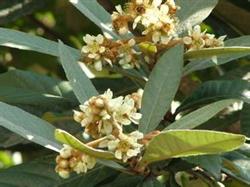
The flowering period of loquat trees lasts as long as 3 months, with flowers blooming from October to February of the following year. Generally, the flowering period of loquat trees is divided into 3 stages. The first flowers open from October to November, and the fruit they bear is larger with good quality, but is susceptible to cold; the second flowers open from November to January of the following year, and the fruit quality is inferior to that of the first flowers, but the cold resistance is stronger, and the fruit-setting rate...
-
The role and method of autumn application of base fertilizer for cherry trees
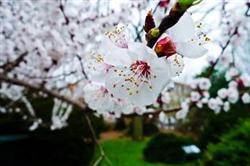
Large cherries bloom in spring and fruit in summer. Recently, many cherry growers have called to ask about management techniques after cherry flowering. In response, the reporter visited Zhang Zhicheng, a miscellaneous fruit expert at Northwest A&F University. Zhang Zhicheng reminds farmers that large cherries mature successively more than 30 days after flowering, and they are currently in the critical period of technical management from after flowering to fruit maturation...
-
Proper application of the four fertilizers is very important for spring peanuts, and the fertilization method must be mastered
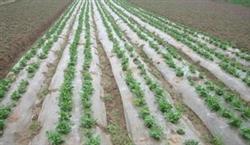
Spring peanut cultivation with plastic film mulching has the advantages of heat preservation, moisture retention, fertilizer retention, improving the soil environment, ensuring uniform and strong seedlings, promoting growth and development, earlier maturity, and increased yield and income. It can usually increase yield by 20%-30%, and increase net income by 50-100 yuan per mu. 1. Fine land preparation and full-layer fertilization for peanut mulching...
-
Spring peanut planting should emphasize increased phosphate fertilizer application
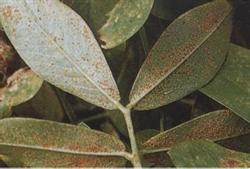
After spring peanut planting this year, there has been more rain, many overcast and rainy days, and high field humidity, which is favorable for the reproduction of peanut rust pathogen. Damage has already begun to occur. If measures are not taken in time to prevent and control it, peanut yield will be seriously affected. Peanut rust mainly damages leaves, but also damages stems, pod stalks and pod shells. Generally...
-
Spring planting fertilization tip: Effective potassium application boosts high yields in spring corn
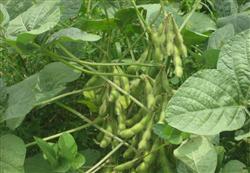
Delayed senescence (staying green and late-maturing) refers to soybeans that, when they should be maturing, still have green branches and leaves with vigorous growth and seeds that are not yet plump, though not shriveled pods or shriveled seeds. The main cause of delayed senescence is excessive application of nitrogen fertilizer or application too late, causing excessive vegetative growth, delaying maturity, and affecting yield. To prevent delayed senescence in soybeans, it is necessary to timely...
条件筛选