Effect of phosphorus nutrition on double-low rapeseed and the timing of application
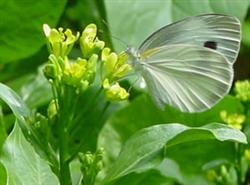
Rapeseed white butterfly, scientific name Artogeia (Pieris) rapae (Linnaeus), order Lepidoptera, family Pieridae. Synonym Artogeia rapae (L.). Also known as the cabbage white butterfly, white powder butterfly. The larva is called the cabbage caterpillar. Distributed throughout the country. Hosts include rapeseed, cabbage, cauliflower, Chinese cabbage, radish and other cruciferous vegetables...
 I. Effects of phosphorus deficiency:
Phosphorus is an indispensable nutrient for the growth and development of rapeseed. Phosphorus deficiency causes poor root development, smaller leaves, and thicker leaf mesophyll. With moderate phosphorus deficiency, branches and siliques decrease, seeds are not plump, and yield drops significantly; with severe phosphorus deficiency, the leaves turn dark purple and gradually wither, so that the plant cannot bolt or flower. During the growth period of rapeseed, the soil available phosphorus content should be maintained at 10-15 mg/kg; if it is less than 5 mg/kg, phosphorus deficiency symptoms are likely to appear in the soil, and phosphate fertilizer must be applied promptly.
II. Correct application of phosphorus nutrition:
Although rapeseed requires less phosphate fertilizer than nitrogen and potassium, it is very sensitive to phosphorus. In the whole life of rapeseed, phosphorus uptake peaks at the bolting and flowering stage, but from the perspective of phosphate fertilizer utilization and yield increase, applying phosphate fertilizer before the 2-leaf stage gives the best effect. When phosphorus is applied before the 2-leaf stage of rapeseed, its utilization rate is 17.3%, while 20 days before bolting it is 8.5%, and the rapeseed yield is only 27.4% of that with phosphorus applied at the 2-leaf stage. It can be seen that the earlier rapeseed suffers from phosphorus deficiency, the greater the impact on yield, and even if phosphorus is supplemented later, it is difficult to increase yield. Therefore, phosphate fertilizer is best used as seed fertilizer and base fertilizer, or as fertilizer applied with the roots; if used as topdressing, it is also best applied before the 5-leaf stage.