-
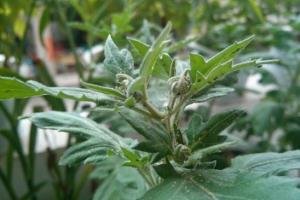
The Harm Caused by Aphids on Chrysanthemums and How to Control Them
What Harm Do Aphids Cause? What to Do When Chrysanthemums Get Aphids
-

How to control vegetable aphids? 8 clever tricks to leave them nowhere to hide
Grandpa Sun has 5 vegetable greenhouses at home, mainly growing lettuce. These past few days he found that two of the greenhouses had "uninvited guests" - aphids. Grandpa Sun said the aph...
-
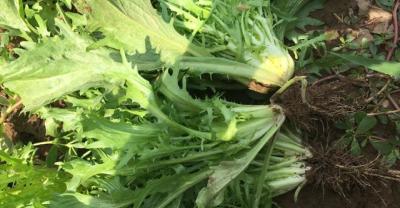
What to Do About Aphids on Roses? Removal Methods and Pesticide Recommendations
Although there are relatively few aphids on roses in winter, once spring arrives and the temperature warms up, aphids on roses simply come popping out in no time. Today I want to share with you...
-
In summer, potted plants get ants, flying insects, and aphids; sprinkle a little of this in the pot and it works better than pesticide
When summer comes, there are lots of insects, and if you grow flowers and plants at home, there are even more! When you close your eyes and prepare to take a breath of fresh air from nature,...
-

-
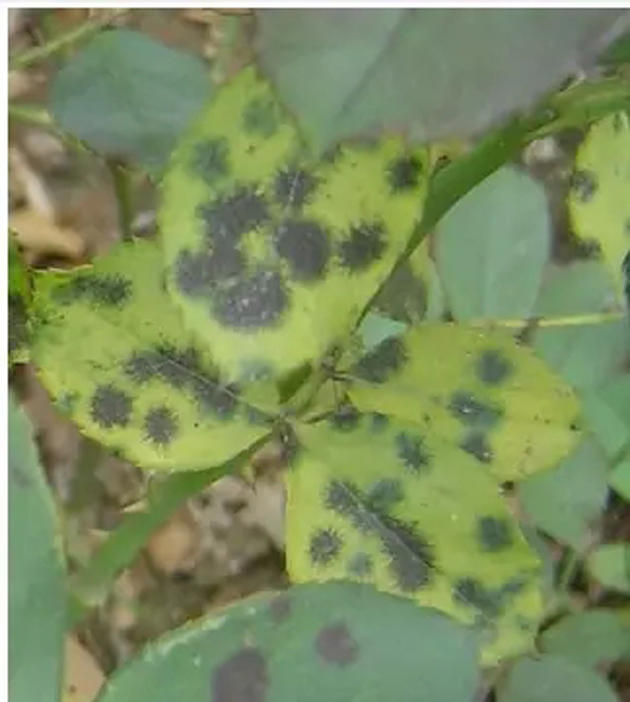
Illustrated Guide to Identifying and Controlling Aphids, Thrips, and Spider Mites on Roses
Speaking of roses, they are a plant that many people love to grow, and their blooms are truly beautiful. But when growing roses in cloudy and rainy seasons, the pests and diseases are really overwhelming. The worst part is not being able to recognize these pests. How do you identify these pests and how do you control them?
-
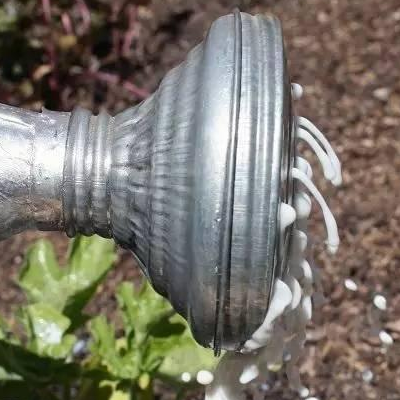
The benefit of using milk for plants is that it can control aphids and other soft-bodied pests.
Milk, which many people enjoy, is great to have a bottle of every day, but what are the benefits of using milk for plants: Milk as fertilizer. Milk is a great source of calcium, and this principle applies to plants as well. Milk can be used on some common vegetable plants.
-
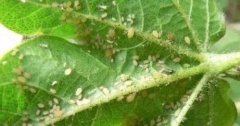
Morphological Characteristics and Damage Symptom Identification of the Cotton Aphid on Flowers
Among the common insect pests of flowers, the cotton aphid causes very serious damage. Let us take a look below at the harmful habits and morphology of the cotton aphid. Damage habits: The cotton aphid is a very common aphid on general herbaceous flowers, occurring on plant buds, young leaves, or flower buds and corollas
-

What to Do When Soybean Aphids Strike? Detailed Control Measures
Soybean aphid is one of the major pests of soybean, with adults and nymphs piercing and sucking sap on the top leaves, tender leaves and tender stems of soybean plants. In severe cases they cover the stems and leaves, and can also attack tender pods, causing stunted plants, reduced fruiting branches and pod numbers, and lower 1000-grain weight; severe infestation at the seedling stage can kill the entire plant. In outbreak years, if not controlled in time, yield losses range from 20-30% in mild cases to more than 50% in severe cases. It is distributed in all major soybean-producing areas of China, with heavier damage in parts of the three northeastern provinces, Henan, Shandong and other provinces. Large
-
How to control cotton aphids? Detailed control measures for the Yellow River basin
Aphids, also called greasy bugs or honey bugs, are one of the main pests on cotton in our country. The cotton aphids that damage cotton fields are divided into seedling aphids and summer aphids. Seedling aphids occur from emergence to before squaring, prefer lower temperatures, and when the temperature exceeds 27°C their reproduction is inhibited and the population drops rapidly; the aphids that commonly occur from early July to mid-August are called "summer aphids." When the 3-day average temperature is 24-28°C and the relative humidity is 55%-85%, it favors the multiplication of "summer aphids"; weather that alternates between sunny and rainy is most suitable for "summer aphids" to reproduce; continuous rainy
条件筛选