The Harm Caused by Aphids on Chrysanthemums and How to Control Them
Chrysanthemums are easy to grow and care for, and they have beautiful flower shapes and a long blooming period, so many households grow them. However, chrysanthemums are especially prone to aphids. Just seeing the little black dots on the bright flowers is enough to ruin the view. So, what harm do aphids cause? What should you do when chrysanthemums get aphids?
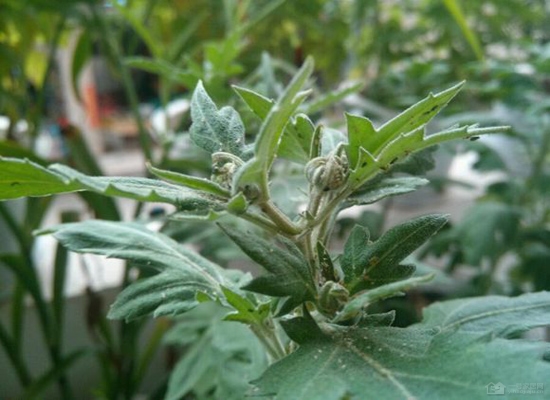
The aphids that harm chrysanthemums are mainly chrysanthemum aphids, cotton aphids, and others.
The chrysanthemum aphid has a dark brown, glossy body, with black cornicles and cauda. Winged females have transparent wings, and the nymphs are reddish brown, similar in form to wingless females. The chrysanthemum aphid can produce more than ten generations a year. In autumn, winged females emerge and migrate to cause damage, overwintering in chrysanthemum clumps. When chrysanthemums sprout the following spring, the aphids gather on the tender buds and cause damage, making the stems and leaves grow poorly. After buds appear, they again gather on the flower stalks and cause damage, hindering bud development so the flowers do not bloom well.
The cotton aphid is initially pale yellow, later turning black, with yellowish white legs and antennae. The nymphs are initially grayish white, then turn yellow. The cotton aphid has extremely strong reproductive capacity and can produce more than twenty generations a year. It overwinters on shrubs and weeds. When chrysanthemums are being cultivated and growing, the cotton aphids migrate over and gather on the tender buds and young leaves to cause damage, making the buds and leaves curl and turn withered yellow, growing poorly, and even causing the whole plant to die.
In addition, there is another kind of small aphid, dark green in color; it first gathers on the undersides of leaves to cause damage, and when the flowers bloom it hides in the petals to cause damage, which not only affects the ornamental value but also shortens the life of the flowers.
For this kind of insect pest on chrysanthemums, the following methods can be used for control.
(1) Take 50 grams of fresh chili peppers or dried red chili peppers, add 30-50 grams of water, boil for about half an hour, and sprinkle the filtrate on the affected plants for a remarkable effect.
(2) Take 3-4 grams of laundry detergent, add lOO grams of water, stir into a solution, and spray continuously 2-3 times; the control effect reaches lOO%.
(3) Use "Fengyoujing" (essential balm) diluted with water at 600-800 times to make a solution, spray it with a sprayer so that the medicine liquid sticks to the insect bodies. The effect of killing aphids, scale insects, and other pests is above 95%, while causing no phytotoxicity to the plants.
(4) Mix laundry detergent, urea, and water in a ratio of 1:4:lOO, stir into a mixed solution, and use it to spray the plants, which can achieve insect killing,
(5) Soapy water for controlling aphids and others: use half a basin of clean water, add a little laundry detergent or rub in some soap, preferably medicated soap, stir up foam, then press the branches of potted flowers into the soapy water and rinse them, or use a soft-bristled brush dipped in soapy water to apply to the branches and leaves. After a few days, pests such as aphids, scale insects, and red spider mites can be eliminated.
(6) Put the affected plant into a vat large enough to hold it, light a mosquito coil, cover the mouth of the vat tightly with plastic film, tie it firmly with rope, and then make a small hole in the plastic film. The time depends on the size of the plant, generally half an hour to one hour; both adults and eggs can be killed.
Although aphids are small, their harm really should not be underestimated. Therefore, measures must be taken in time. Try the above methods; it is said they have a certain effect, so you might as well give them a try.