-
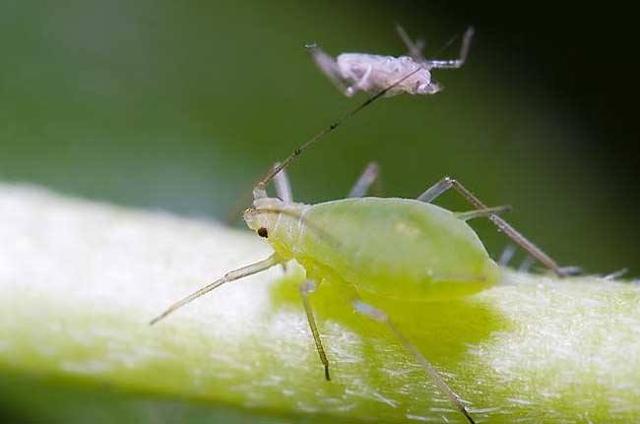
What to Do When Aphids Appear on Flowering Plants? A Summary of Highly Effective Aphid Control Methods
Flowers and plants often attract aphids, and their destructive power is strong. They usually attach to the underside of plant leaves, then suck the plant's sap; the leaves gradually turn yellow, and the plant gradually becomes stunted and cannot grow tall. In severe cases, the flowers may even wither. Spring and autumn are the seasons when aphids are most prevalent.
-
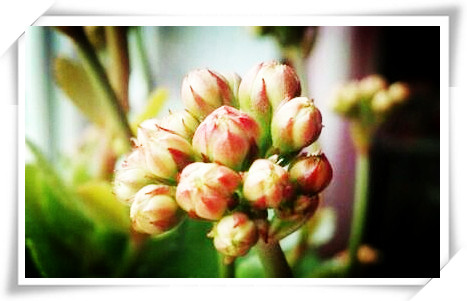
Pest and disease control techniques for aphids, red spiders, scale insects, damping-off, rust and powdery mildew on flowers
In spring, the temperature turns warm then cold again, and the air humidity is high. At present, the occurrence of crop pests and diseases is at a moderate to severe level, and flowers also suffer from many pests and diseases. Generally, the following are more serious in April and May: damping-off, when the temperature reaches 20°C
-
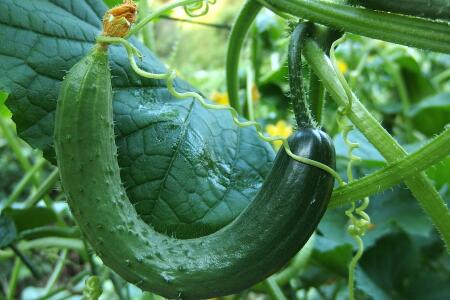
Symptom Identification and Control Methods for Aphids and Root-Knot Nematodes in Cucumbers
Cucumber is a widely grown annual climbing or trailing herbaceous plant of the Cucurbitaceae family, and during its growth it is highly prone to two pests: aphids and root-knot nematodes. Below is an introduction to the symptoms and control methods for these two pests. Symptoms and control methods for aphids. Main symptoms: aphids, also known as plant lice
-
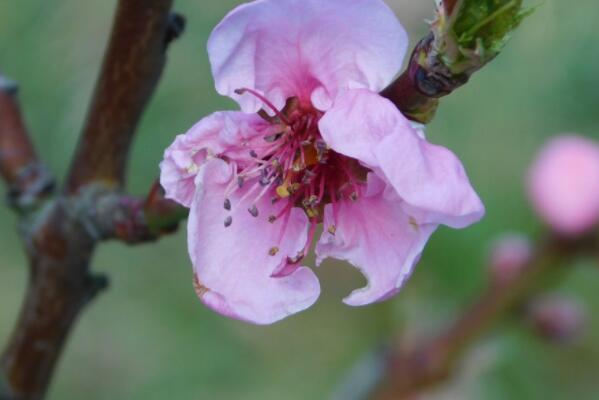
What pesticides to use for aphids and fruit borers before and after peach trees bloom? Analysis of the evil-warding belief
The peach tree is a small deciduous tree; its leaves are narrowly elliptical to lanceolate. It originated in China and is widely cultivated in all provinces and regions. It is planted throughout the world. So do you know why peach trees are said to ward off evil? What pesticides should be used for pests such as aphids and fruit borers before and after blooming? Let's find out together below. Why peach trees are said to ward off evil
-
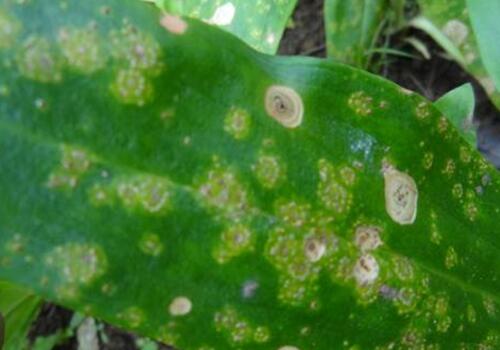
How to control the main pests and diseases of Gentiana macrophylla such as leaf rust, root rot, and aphids?
Gentiana macrophylla, also known as large-leaf gentian, large-leaf Qinjiao, and West Qinjiao, is a perennial herbaceous plant and one of the main medicines for treating rheumatism, joint pain, tuberculosis, tidal fever, jaundice, and other conditions. So what are the main pests and diseases of the herbaceous plant Gentiana macrophylla, such as leaf rust, root rot, and aphids, and what are the control measures? Let's find out together below.
-

Anthurium Leaves Turning Yellow and Aphids: Pest and Disease Control and Remedial Methods
Common diseases of anthurium include anthracnose and root rot. Anthracnose damages young branches and leaves. The infected parts first show small water-soaked spots; the spots are round or nearly round and appear dark brown. Afterwards, the lesions continuously expand, concentric rings appear, and the central part turns light brown or grayish white
-
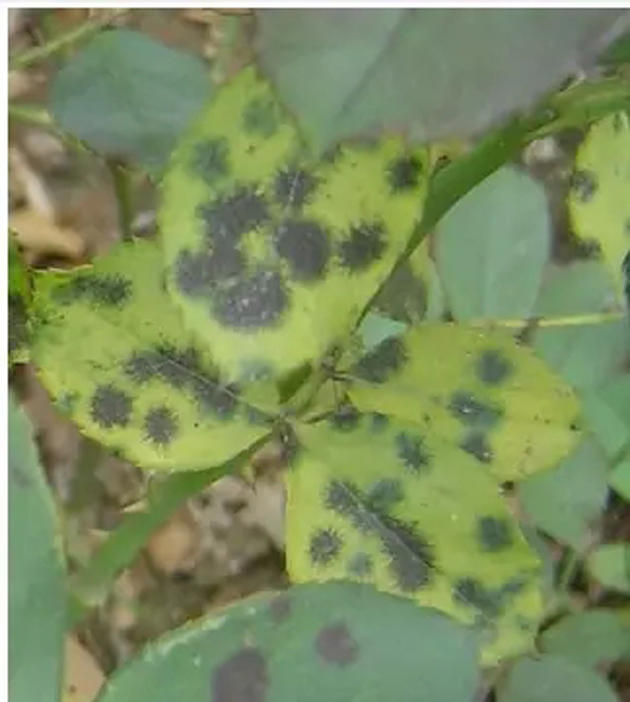
Illustrated Guide to Identifying and Controlling Aphids, Thrips, and Spider Mites on Roses
Speaking of roses, they are a plant that many people love to grow, and their blooms are truly beautiful. But when growing roses in cloudy and rainy seasons, the pests and diseases are really overwhelming. The worst part is not being able to recognize these pests. How do you identify these pests and how do you control them?
-
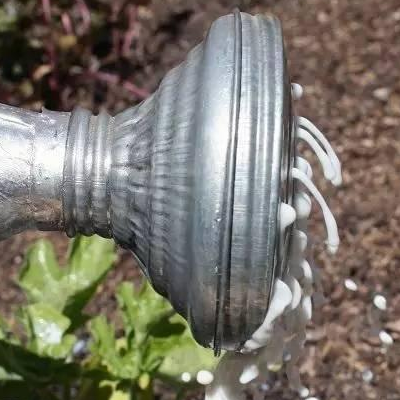
The benefit of using milk for plants is that it can control aphids and other soft-bodied pests.
Milk, which many people enjoy, is great to have a bottle of every day, but what are the benefits of using milk for plants: Milk as fertilizer. Milk is a great source of calcium, and this principle applies to plants as well. Milk can be used on some common vegetable plants.
-
What to Do When Soybean Aphids Strike? Detailed Control Measures
Soybean aphid is one of the major pests of soybean, with adults and nymphs piercing and sucking sap on the top leaves, tender leaves and tender stems of soybean plants. In severe cases they cover the stems and leaves, and can also attack tender pods, causing stunted plants, reduced fruiting branches and pod numbers, and lower 1000-grain weight; severe infestation at the seedling stage can kill the entire plant. In outbreak years, if not controlled in time, yield losses range from 20-30% in mild cases to more than 50% in severe cases. It is distributed in all major soybean-producing areas of China, with heavier damage in parts of the three northeastern provinces, Henan, Shandong and other provinces. Large
-
How to control cotton aphids? Detailed control measures for the Yellow River basin
Aphids, also called greasy bugs or honey bugs, are one of the main pests on cotton in our country. The cotton aphids that damage cotton fields are divided into seedling aphids and summer aphids. Seedling aphids occur from emergence to before squaring, prefer lower temperatures, and when the temperature exceeds 27°C their reproduction is inhibited and the population drops rapidly; the aphids that commonly occur from early July to mid-August are called "summer aphids." When the 3-day average temperature is 24-28°C and the relative humidity is 55%-85%, it favors the multiplication of "summer aphids"; weather that alternates between sunny and rainy is most suitable for "summer aphids" to reproduce; continuous rainy
条件筛选