How to control vegetable aphids? 8 clever tricks to leave them nowhere to hide
Grandpa Sun has 5 vegetable greenhouses at home, mainly growing lettuce. These past few days he found that two of the greenhouses had "uninvited guests" - aphids.
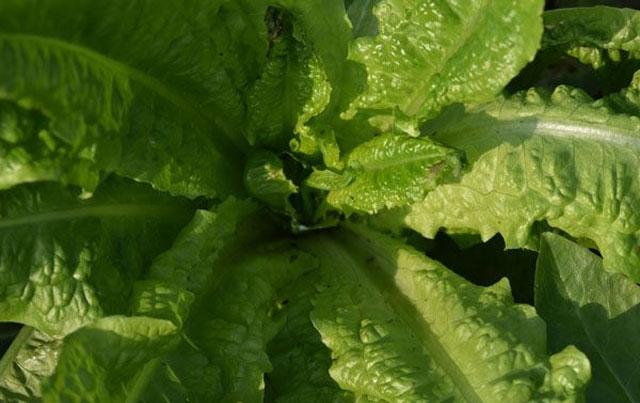
Grandpa Sun said aphids are extremely harmful. They reproduce quickly and in great numbers, clustering densely on lettuce leaves to suck the leaf sap, causing the affected vegetables to lose water and nutrients, and the lettuce leaves to turn yellow; aphids also spread viral diseases, and in severe cases cause the entire plant to wilt and die, leading to a decline in product quality.
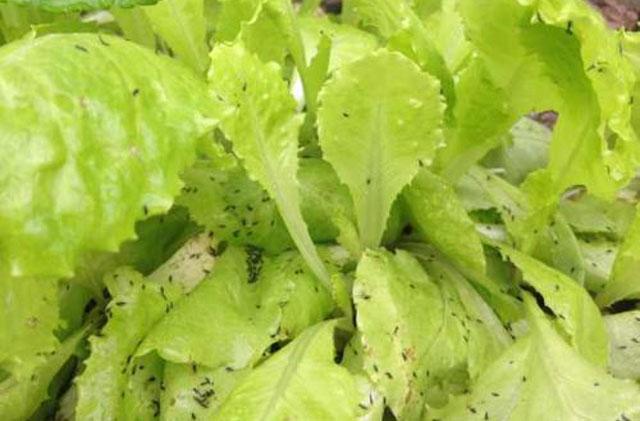
As for the harm caused by vegetable aphids, Grandpa Sun already had a well-thought-out plan. It turns out Grandpa Sun had been growing greenhouse vegetables for many years and had long since gained his own experience.
Grandpa Sun suggests adopting green control of cabbage aphids, which can not only improve the control effect on cabbage aphids and reduce input costs, but also lower pesticide residues in vegetables and improve vegetable quality, so they can fetch a good price.
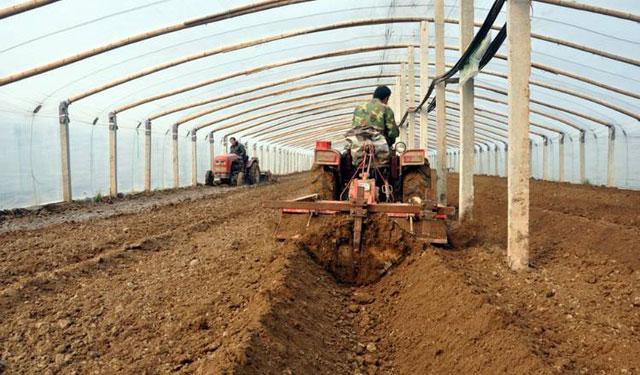
1. To prevent the occurrence of vegetable aphid damage, before planting vegetables Grandpa Sun plowed the vegetable plot. After plowing, the aphid larvae hidden in the soil die under the scorching sun, effectively preventing aphid damage.
2. Aphids do not like the smell emitted by chives. Vegetables can be planted alternately with chives. Using the smell of chives can reduce aphid density and lessen the degree of aphid damage to vegetables.
3. Aphids love to feed on carbohydrates. During vegetable cultivation, apply more decomposed farmyard manure and use chemical fertilizers as little as possible, especially avoid applying too much fertilizer at one time, to prevent vegetable leaves from becoming too dark green and growing leggy. If carbohydrates in the plant suddenly increase, aphids will break out into disaster in a short time.
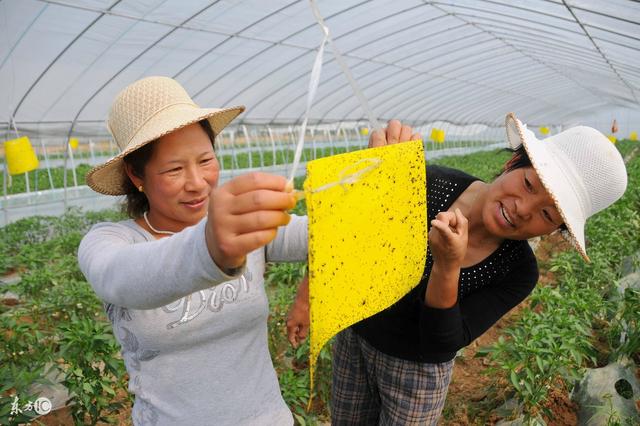
4. Use the yellow board trapping method for aphids. Yellow has a strong attracting effect on aphids. You can make yellow cardboard boards measuring 15 x 20 cm, preferably coat the boards with a layer of machine oil, and fix them inside the vegetable greenhouse. When aphids see the yellow sticky boards, they fly onto them one after another and are trapped to death, giving good insect control. After the machine-oil yellow boards are fully covered with trapped aphids, replace them promptly; medicated yellow boards can kill aphids as soon as they touch the pesticide.
5. The natural enemies of aphids include the seven-spot ladybird, the harlequin ladybird, hoverflies and aphid fungi, among others, which have an irreplaceable killing effect on aphids. In production, they should be protected and utilized so that the aphid population is kept within numbers too low to cause damage.
6. Silver-gray film to repel aphids. Aphids have a strong avoidance of silver-gray. You can hang some silver-gray plastic strips in the field or cover vegetables with silver-gray plastic film
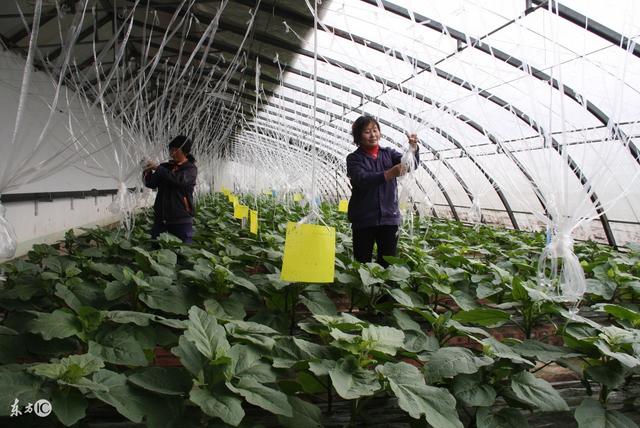
7. A folk method for controlling aphids. Laundry detergent can also kill aphids. Mix laundry detergent and water evenly at a weight ratio of 1:450, spray it onto vegetable leaves with a sprayer, and it can also kill aphids.
8. Grandpa Sun also said that aphids should be prevented in advance. If aphids appear in large numbers, pesticides must be used for control. Grandpa Sun recommended 5 special-effect pesticides for controlling cabbage aphids, hoping they will be helpful to everyone.
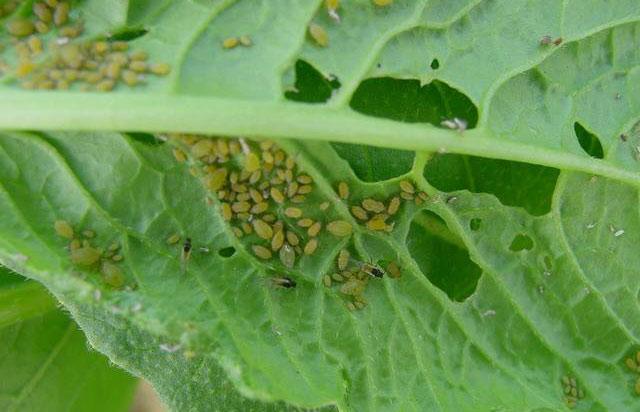
1. Pirimicarb, for controlling vegetable aphids, at the beginning of the aphid peak period use 10-18 g of 50% wettable powder per mu, mix with 30-50 kg of water and spray.
2. Matrine, 133 grams of 0.3% matrine aqueous solution per mu, spray at the beginning and peak periods of aphids.
3. Pyrethrin, 120 grams of 1.5% pyrethrin emulsifiable concentrate per mu, spray at the beginning and peak periods of aphids. Pyrethrin decomposes easily when exposed to light, so spraying is best done in the evening.
4. Acetamiprid, which has an excellent effect in controlling vegetable aphids. To control vegetable aphids, at the beginning of the aphid peak period use 15-20 ml of 3% acetamiprid emulsifiable concentrate per mu, add 30 kg of water and spray. Even in rainy years, the efficacy can still last more than 15 days.
5. Imidacloprid, for controlling vegetable aphids, at the beginning of the aphid peak period use 10-20 g of 10% imidacloprid wettable powder per mu or 20-40 ml of 5% imidacloprid emulsifiable concentrate, add 30-40 kg of water and spray.
The above are Grandpa Sun's methods for controlling vegetable aphids. Have you learned them?Subscribe to Agricultural Inputs 100,000 Whys to learn more about agricultural inputs!