In summer, potted plants get ants, flying insects, and aphids; sprinkle a little of this in the pot and it works better than pesticide
When summer comes, there are lots of insects, and if you grow flowers and plants at home, there are even more! When you close your eyes and prepare to take a breath of fresh air from nature, and suddenly there is a swarm of "flies buzzing," that is not very romantic. You would not want to spray the pesticides sold outside on your balcony; if you breathe them in, they will be very harmful. It is better to use common little things from home to make your own insecticide. Not only is it healthy, but the effect is also excellent!
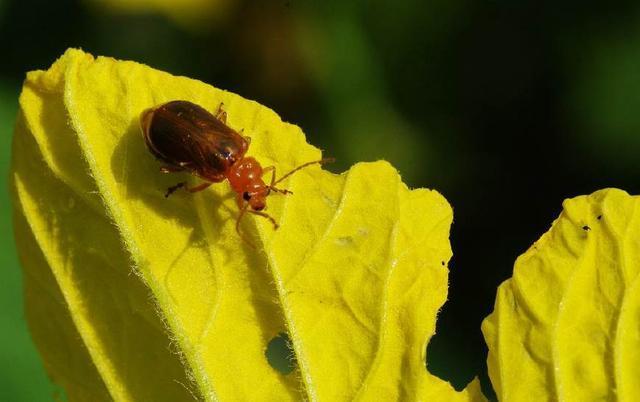
1. Small flying insects appear in flower pots:
When growing flowers and plants, the soil was not disinfected and sterilized! Ordinary soil contains insect eggs. So before growing flowers, you should put the soil under the sun to bake it thoroughly, and also add insecticide!
Due to the soil type, peat soil is more likely to have insects than accumulated soil. Accumulated soil is decomposed soil, so the chance of pest problems is low.
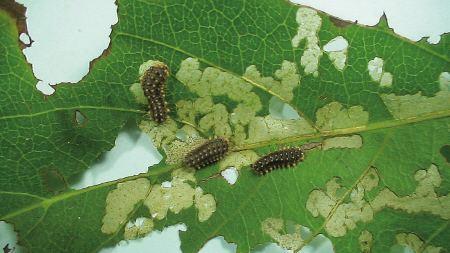
1. First, of course, you need to check whether your potted plant has rotten leaves and whether the humidity is too high. Mosquitoes and insects prefer environments with high humidity. Move the potted plant to a ventilated place, control watering, try to keep it a bit drier, and deal with rotten and yellow leaves promptly.
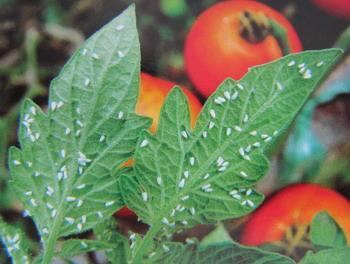
2. Sugar-vinegar liquid can give off a smell that small flying insects love. If you place a basin of sugar-vinegar liquid next to a potted plant with insects, they will rush to their deaths. However, this can only deal with the existing adult insects. Generally speaking, small flying insects like moist and nutrient-rich soil, so when the soil is moist, do not put in eggshells with leftover egg white or fruit peels that have not been fully composted.
3. When small flying insects appear in the flower pot, you can use three or four cotton swabs, dip them in dichlorvos. Then insert the handle ends into the pot, and after a few days the flying insects can be eliminated. With this method, you must be careful: dichlorvos is highly toxic.
2. Aphids appear:
Aphids always appear in clusters, sucking the sap of our beloved flowers and plants, their bellies round and plump, and just looking at them makes you angry. Fortunately, we have a spicy trick to deal with this bunch of villains.
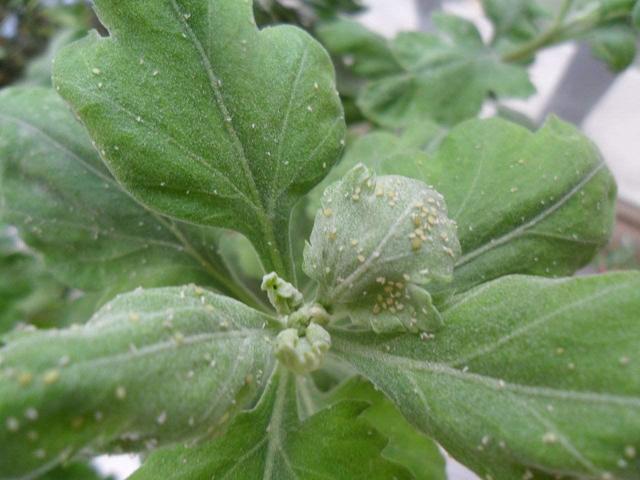
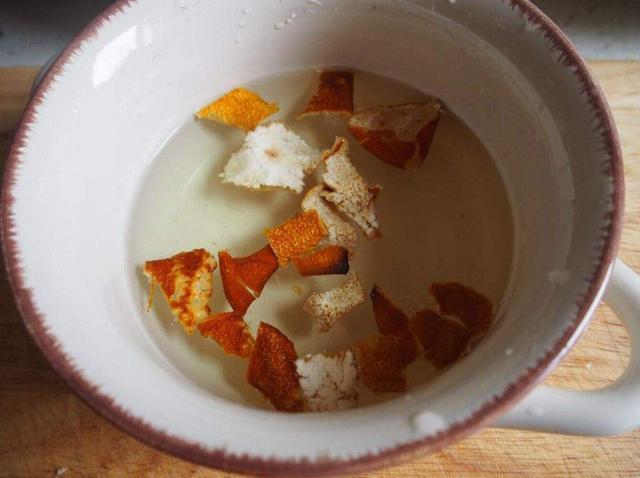
Prepare 40 grams of red chili peppers, cut them open and soak them in 40 grams of water, then soak for a whole day, then filter out the liquid, put it into a spray bottle, and spray the branches that have been attacked by aphids once a day. Buy some oranges, take 40 grams of the leftover orange peel and soak it in 0.5 kilograms of water, also soak for 24 hours, then take out the filtered solution and spray the entire plant, spraying several times, so the hateful red spider mites have nowhere to escape!
3. Ants appear
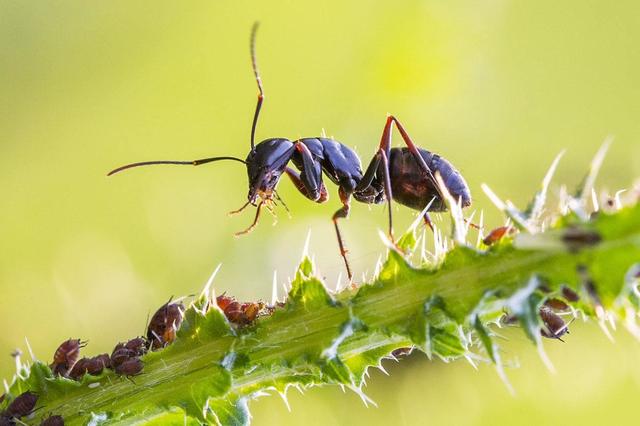
Ants generally rarely appear in flower pots. If you do not like them, then we also have a clever trick to drive ants away.
Put mosquito coils in the flower pot and light them, seal the flower pot with a plastic bag, and open it once the mosquito coil has burned out. This is what the editor commonly uses, and the effect is very good. Some flower lovers also use diluted mosquito coil liquid to spray or water the flowers, which should be about the same as mosquito coils.
Garlic, ginger, chili peppers, scallions, and so on all work. Chop them up, soak them in water for a day, add a few drops of dish soap, and spray the leaf surface or water the flowers. Once a day, and in about a week they will be completely eliminated.