-
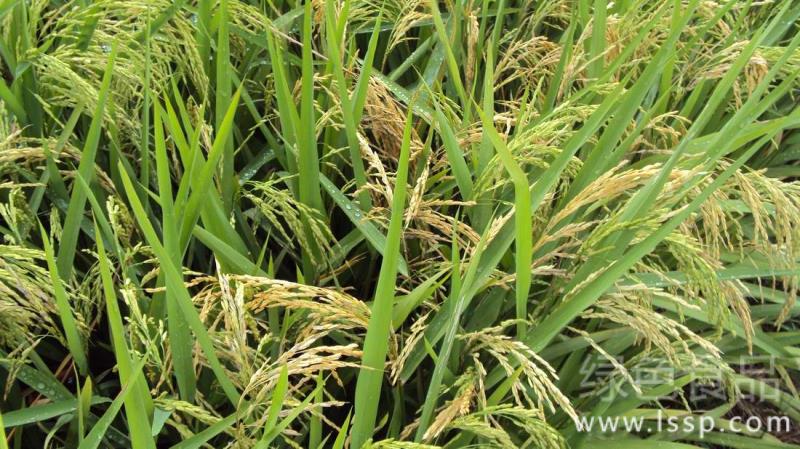
How rice blast affects rice quality and how to prevent and control rice blast
How rice blast affects rice quality and how to prevent and control rice blast
-
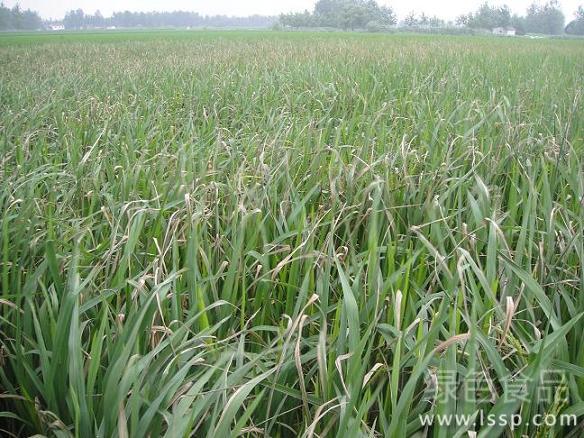
Rice bacterial leaf blight affects yield, how to prevent and control it
Bacterial leaf blight affects rice yield, how to prevent and control rice bacterial leaf blight
-
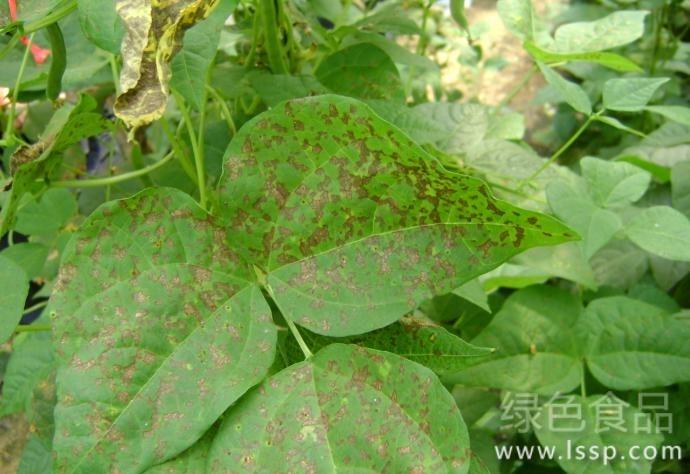
How to prevent and control rust disease in green beans when it affects yield
How to prevent and control green bean rust disease when it affects yield
-
Cabbage head splitting affects appearance; how do you prevent and control cabbage splitting?
Cabbage head splitting affects appearance; how to prevent and control cabbage splitting
-
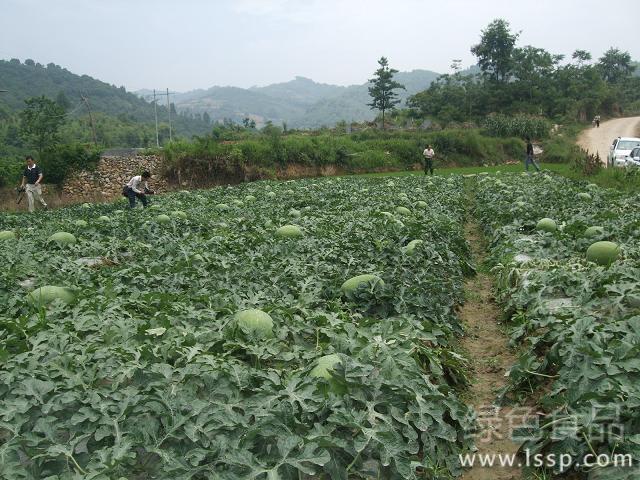
Watermelon failing to set fruit affects yield, how to improve the fruit-setting rate
Watermelon failing to set fruit affects yield, how to improve the watermelon fruit-setting rate
-
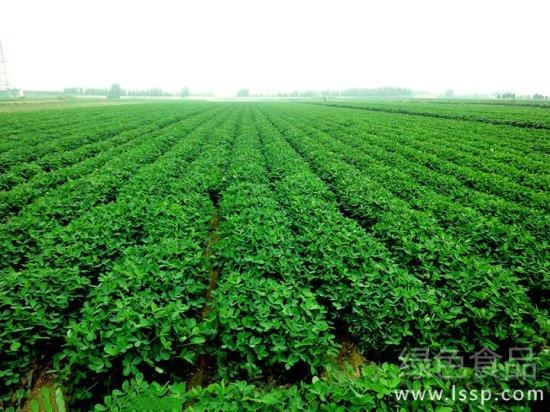
Peanut pod-setting stage management affects yield; these tasks must be done well
Peanut pod-setting stage: how yield is affected and how to do a good job of managing peanuts at the pod-setting stage
-
Five precautions for late-stage management of hybrid early rice; improper management affects yield
Improper late-stage management affects yield: five precautions for late-stage management of hybrid early rice
-
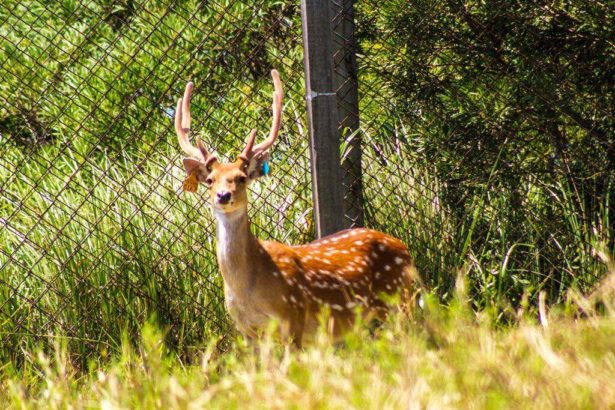
Excessive sika deer density affects farming and forests in Kenting; scholars suggest birth control
Too many sika deer is also a headache! Excessive density affects farming and forests in Kenting; scholars suggest birth control
-
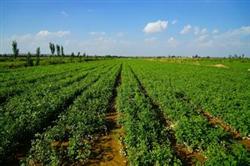
Licorice is best planted after autumn plowing; otherwise it affects seedling emergence and seedling survival.
1. Seed treatment: before sowing, treat the seeds with 60-100°C water for 30 seconds; then soak them in warm water for 1 day and night, and the germination rate can reach 50%. If concentrated sulfuric acid is used, remove the seeds immediately when the seed coat turns black and rinse them in clean water, then soak them in warm water; sow when the seeds swell, and the germination rate can reach more than 90%. 2. Planting metho...
-
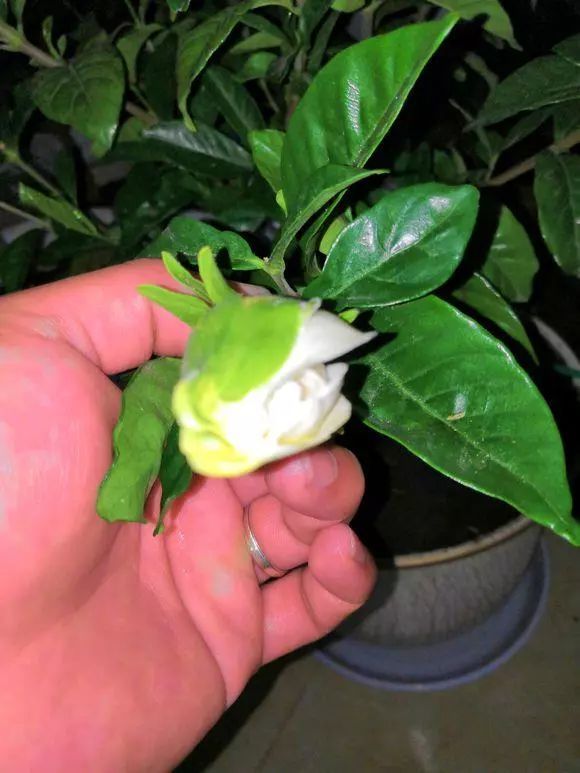
How summer pruning of gardenia, done well or badly, affects its growth all year round and whether it can quickly rebloom
We all know that gardenia is an acid-loving flowering plant, and when our potted gardenia has been growing for a long time, the soil may become slightly alkaline, which easily causes the potting soil to compact, and the gardenia will show yellowing leaves. Once it lacks...
条件筛选