Peanut pod-setting stage management affects yield; these tasks must be done well
The 25-30 days from when 50% of peanut plants first show chicken-head-shaped young pods to when 50% of plants have full pods is called the peanut pod-setting stage. The peanut pod-setting stage is the key period that determines the peanut yield of that year. The peanut pod-setting stage is the peak period of aboveground vegetative growth and underground reproductive growth.
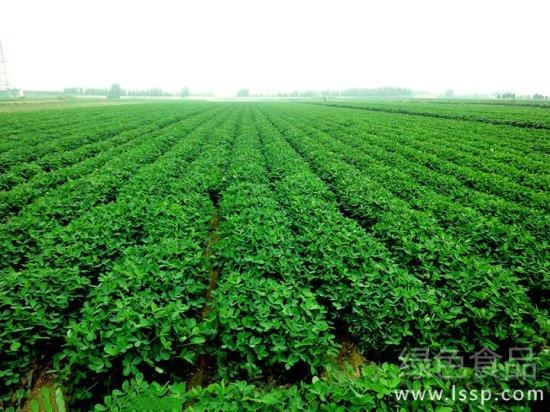
Peanut
During this period the soil needs to be moist, and the more suitable moisture level is a soil water content at 60% of field capacity. If the soil lacks water, the ovary stops growing and shriveled pods form, but if there is too much soil moisture, it leads to poor aeration, soil oxygen deficiency, early root decline, and an increase in empty pods, shriveled pods, and rotten pods. The optimum temperature for peanut pod development is 25-33°C; at this time pods develop quickly and gain weight rapidly. For large-seeded peanuts and small-seeded peanuts, when the temperature is below 15°C and below 12°C respectively, pod growth will gradually stop, and shriveled pods are likely to form. At the same time, during this period nitrogen and phosphorus can be supplied to the young pods and pods of the peanut from multiple parts such as the roots, gynophore, and ovary, while potassium still remains in the stems. Peanuts at this stage have a high demand for calcium, and calcium deficiency easily leads to empty pods and shriveled pods.
Field management measures:
1. For topdressing in the peanut fruiting zone, because both the pegs and the pod surfaces of peanuts can absorb nutrients from the soil to meet their own needs, 10-15 kg per mu of compound fertilizer mainly containing phosphorus and calcium can be broadcast. Ensure there is no fertilizer shortage at this stage.
2. Foliar fertilizer spraying. Foliar fertilizer spraying strengthens peanut growth, improves the peanut's disease resistance and ability to withstand adverse environments, and has the advantages of fast absorption, rapid action, and high utilization rate. It can be sprayed on both the front and back of peanut leaves multiple times during the whole growth period of peanuts, either together with pesticide spraying or separately. In high-yield fields and acidic soil plots that are deficient in calcium, "Fengqia Duobao" can be sprayed on peanut leaves, which can quickly supplement calcium, magnesium, and other elements, increase the number of peanut pods, and improve peanut pod quality.
3. At the peanut pod-setting stage, focus on controlling insect pests and peanut root diseases, and control excessive growth at the right time. In recent years, peanut southern blight and root rot have occurred frequently; "Fengqia Genbao" can be used for control. Before the rows close, spray the first application directly at the peanut roots, and depending on the situation, spray a second application at an interval of about 10 days. The best spraying time is after rain or when soil moisture is good.
According to the management of the peanut pod-setting stage, at the peanut full-pod stage, that is, about 20 days before peanut harvest, the main focus is on controlling leaf spot disease, preventing peanuts from premature aging, achieving mature plants with green stalks, increasing peanut plumpness, and raising peanut yield.