-
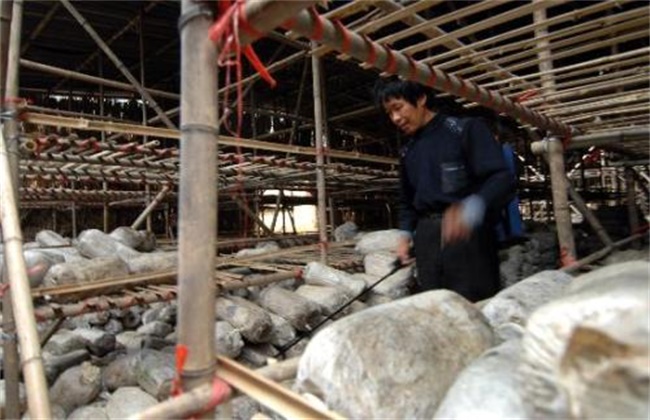
What are the precautions for using pesticides on edible fungi
Precautions for using pesticides on edible fungi
-
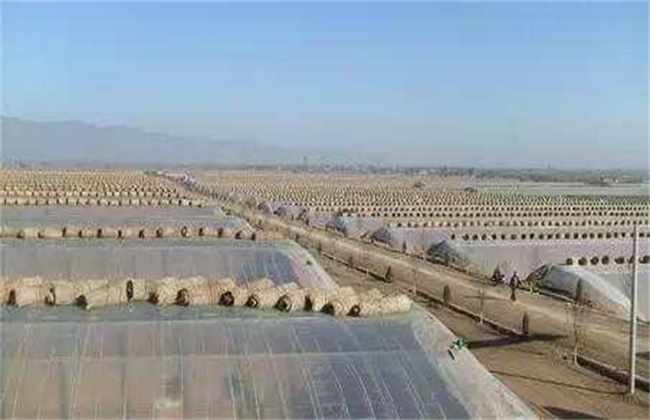
What should be noted when using high-temperature greenhouse sealing in summer?
Notes on high-temperature greenhouse sealing in summer
-

Correct methods for using Toyota Golden Potassium on potatoes
Potatoes are a typical potassium-loving crop. To harvest 100 kg of economic yield (tubers), they need to absorb 0.5 kg of nitrogen, 0.2 kg of phosphorus, and 1.06 kg of potassium. It can be seen that potassium is 2 times that of nitrogen and 5 times that of phosphorus. Toyota Golden Potassium has been applied to potatoes by farmers in Tangshan, Hebei, Tianjin, Ulanqab, Inner Mongolia and other areas for several years, with obvious yield-increasing effects. There are two ways to use it: 1. Seed dressing: at a seeding rate of 150 kg per mu, use Toyota Golden Potassium (postcode: 454650, address: Tiexi, Jiyuan City, Henan Province
-
Practical Methods of Using Garlic to Prevent and Treat Fish Diseases
1. Treating enteritis: For every 100 kg of fish, use 0.5 kg of garlic bulbs, plus 0.3 kg of table salt, mix with feed and feed to the fish for 3-6 consecutive days. 2. Treating hemorrhagic disease: For every 10,000 fish, use 0.25 kg of garlic bulbs, 4 kg of alligator weed (fresh), and 0.2 kg of table salt, grind together with soybean cake and feed, twice a day for 4 consecutive days. 3. Treating dropsy (scale-standing disease): Add 0.25 kg of mashed garlic bulbs to every 50 kg of water, and soaking the diseased fish several times gives a good therapeutic effect. 4
-
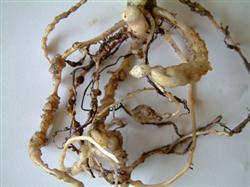
Practical Tips for Using Calcium Fertilizer to Boost Peanut Yields
Peanut root-knot nematode disease is a major disease of peanuts, generally reducing yields by 20-30%, and in severe cases by 70-80%, or even resulting in total crop loss. 1. Symptoms This disease mainly damages the roots. All parts of the peanut that can enter the soil (roots, pods, etc.) can be harmed by nematodes. About half a month after sowing, when the peanut taproot begins to grow, the nematodes...
-
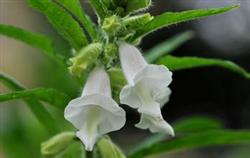
Clever methods of using growth regulators to promote the recovery of sesame
During the flowering and capsule-setting stage of sesame, vegetative growth and reproductive growth proceed together, and the following key points should be mastered in field management. Reasonable topdressing: topdressing at the flowering stage can promote flower bud differentiation in sesame. Methods such as broadcasting nitrogen fertilizer and foliar spraying of phosphorus-potassium fertilizer and boron fertilizer can be used. For fields with good soil fertility retention and supply capacity, applying urea once at the early flowering stage is sufficient,...
-
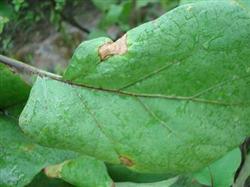
What exactly is causing the spots on eggplant stems and leaves?
The small spots on eggplant leaves are lighter in the middle with dark brown edges, and the larger ones become irregular. There are also many small black dots on the lesions. Many leaf stalks have dark brown necrotic spots. After the stems are affected, dark brown lesions also appear, with dark brown edges and a lighter middle, and they are also densely covered with small black dots...
-
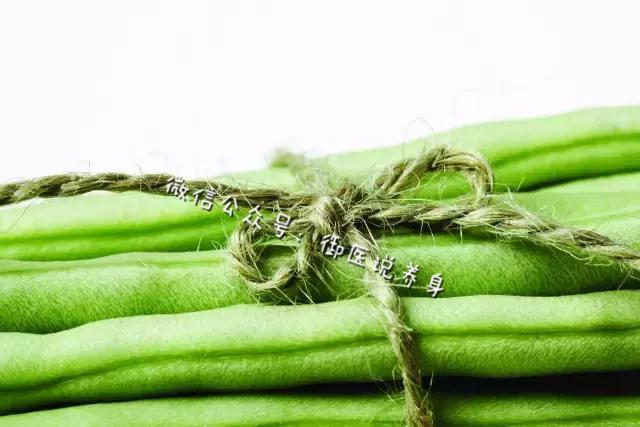
These five vegetables are prone to causing poisoning if not cooked thoroughly, so never eat them raw
Want to learn more health knowledge? Click the top right corner ↗ and follow us! Anyone who cooks often surely knows that eating green beans without cooking them thoroughly will cause poisoning, ...
-
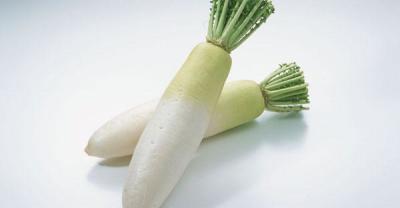
These vegetables make you gain weight more easily than meat; the more you eat, the fatter you get, so stop using them for weight loss
Click the follow button in the top right corner! When it comes to how to eat during a diet, everyone probably agrees on one saying: don't eat meat, eat more vegetables! But after you stick with it for a while...
-
Correct methods for using rice-specific compound fertilizer
Rice-specific compound fertilizer is a medium-concentration compound fertilizer developed according to the patterns of nitrogen, phosphorus, and potassium requirements of rice after transplanting, and it is most suitable for use as a basal fertilizer in rice transplanting fields. It has the characteristics of "low cost," "convenient use," "fast greening-up," and "good safety." After use, it can enhance crops' resistance to lodging, pests, and diseases, with obvious effects in increasing yield and income. Methods of use: as a basal fertilizer for rice, the dosage is generally 25 kg/mu, and no other chemical fertilizers need to be applied. After fertilization, rice seedlings can be transplanted immediately without
条件筛选