Practical Tips for Using Calcium Fertilizer to Boost Peanut Yields
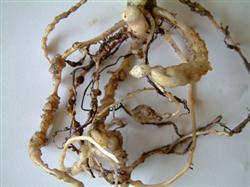
Peanut root-knot nematode disease is a major disease of peanuts, generally reducing yields by 20-30%, and in severe cases by 70-80%, or even resulting in total crop loss. 1. Symptoms This disease mainly damages the roots. All parts of the peanut that can enter the soil (roots, pods, etc.) can be harmed by nematodes. About half a month after sowing, when the peanut taproot begins to grow, the nematodes...
 Peanuts are a calcium-loving crop. Calcium fertilizer can promote peanut root growth, increase root vitality, prevent premature senescence of peanuts, and also promote plump peanut kernels, increase 100-kernel weight and protein content, and enhance peanut disease resistance.
When applying this fertilizer to peanuts, it should be adapted to the soil and the fertilizer: since peanuts are not tolerant of saline-alkali conditions, on calcium-deficient saline-alkali soil, acidic fertilizers containing calcium should be applied. This not only meets the peanut's nutritional need for calcium, but can also neutralize the soil and alleviate and correct the harm of saline-alkali conditions to peanuts. It should be applied at the right time: since peanuts absolutely must not lack calcium when growing new roots, young roots, and pegs, the timing of calcium application should be as a base fertilizer applied early and as a top dressing just when flowers and pegs appear, applied in two split applications. It should be applied in the right amount: generally, on acidic soil, apply 50-60 kg of lime per mu, or 35-40 kg of calcium magnesium phosphate fertilizer; on alkaline soil, 30 kg of superphosphate can be applied per mu. The application rate of calcium fertilizer must not be too small, otherwise the yield increase will not be obvious. It also must not be too much, otherwise it will not only cause waste, but also damage soil structure and reduce economic returns.