These five vegetables are prone to causing poisoning if not cooked thoroughly, so never eat them raw
Want to learn more health knowledge? Click the top right corner ↗ and follow us!
Anyone who cooks often surely knows that eating green beans without cooking them thoroughly will cause poisoning. In fact, in the vast world of vegetables, besides green beans, there are many foods that must be cooked before they can be eaten. Today, Yu'er will lead you to take a look at which foods will cause poisoning if not cooked thoroughly.
Green beans

Green beans contain an alkaloid called saponin, which strongly irritates the mucous membranes of the digestive tract and can cause local congestion and swelling in the stomach and intestines, nausea and vomiting, abdominal pain, and numbness in the limbs. That is only the mild case. This saponin can also destroy red blood cells, causing hemoglobin to leak out of the cells and leading to hemolytic disease, with symptoms such as anemia, jaundice, and enlargement of the liver and spleen.
Green beans only need to be heated to above 100°C to destroy their toxicity. If food poisoning unfortunately occurs, the incubation period is generally anywhere from ten minutes to several hours. Mild cases usually recover within 2-3 days, and those with a strong constitution may recover within a few hours. All that is needed is to lie still and drink sugar water in small amounts several times. If the poisoning is severe and hemolysis occurs, the patient should be sent to the hospital promptly for treatment.
Ginkgo seeds

Ginkgo seeds are a kind of traditional Chinese medicinal material, and they can also be eaten after being cooked. They are rich in nutrients and have the effects of moistening the lungs, reducing phlegm, and relieving asthma. In addition, the flavonoid active substances in ginkgo seeds were used early on to treat cardiovascular diseases.
The kernel of ginkgo seeds contains toxic substances called ginkgolic acid and amygdalin. Ginkgolic acid is an allergenic substance that very easily triggers allergic reactions in people, which can cause local redness and swelling, peeling, and even shock in severe cases. Amygdalin decomposes into hydrocyanic acid when it meets water, and hydrocyanic acid combines with various cytochromes in cells, causing them to lose the ability to deliver oxygen from red blood cells to the cells, thereby causing cell suffocation.
Generally, ginkgo seeds can be shelled, soaked in water for one hour, and then heated before eating, which can reduce their toxicity.
Fresh wood ear mushrooms
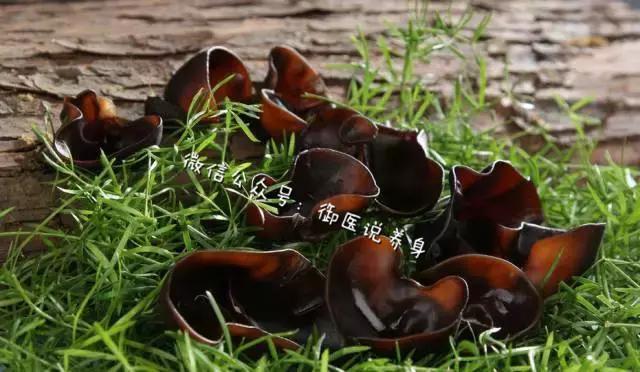
Wood ear mushroom is an edible fungus with the effects of tonifying qi and activating blood circulation. However, freshly picked fresh wood ear mushrooms are toxic and must be soaked and dried before they can be eaten.
Fresh wood ear mushrooms contain a porphyrin-type photosensitive substance. If fresh wood ear mushrooms are eaten raw, over time a person can develop "porphyria," a disease also commonly known as vampire disease. When patients are in the sun, their skin blisters and feels burning and painful, exactly like a vampire.
Wild rice stem
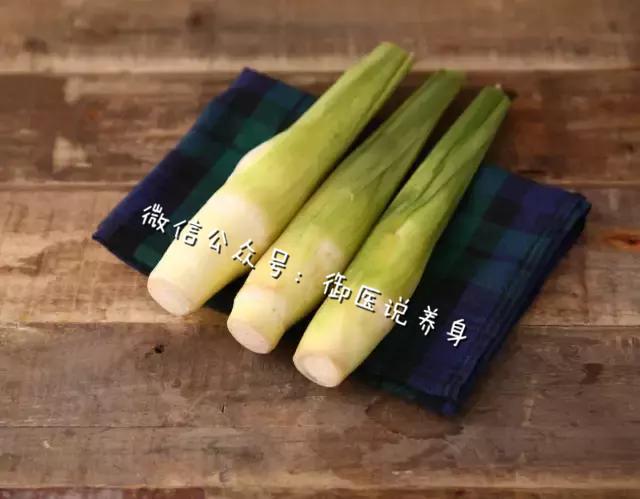
What? Wild rice stem cannot be eaten raw?!
Right! Because wild rice stem contains a large amount of oxalic acid, and oxalic acid in the intestines combines with calcium to form calcium oxalate. Calcium oxalate is difficult for the human body to absorb, and over time it can lead to developing stones.
Before eating, it can first be blanched in water to reduce the oxalic acid content.
Daylily
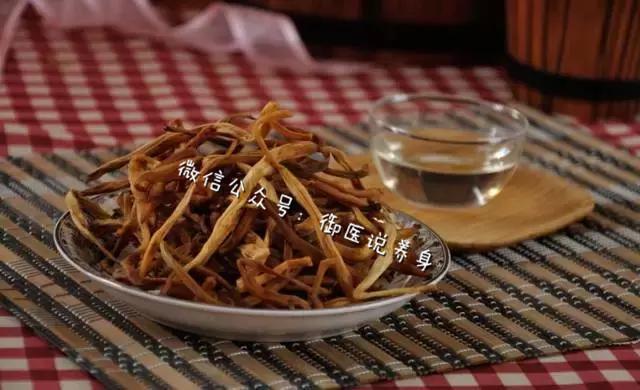
Daylily contains a substance called "colchicine." It sounds quite nice, doesn't it? Actually, it is not.
This substance itself is non-toxic, but as long as it is absorbed through the stomach and intestines, it will oxidize in the body to form "dicolchicine." This thing is highly toxic and will irritate the human respiratory tract and stomach and intestines, causing symptoms such as nausea, stomach pain, and diarrhea.
In fresh daylily, the toxic components weaken at a high temperature of 60°C. When eating it, it can first be blanched, then soaked in clean water for more than 2 hours, and then taken out for stir-frying; dried daylily can be soaked in warm water multiple times, then stir-fried before eating.
Although the vegetables above are delicious, they all belong to high-risk foods. Before eating them, you must clearly understand the dietary taboos; otherwise, once they are eaten, the one who suffers is yourself!

How should cold hands and feet in winter be regulated?
How should qi deficiency and blood deficiency be tonified?
……
To learn more [life and health knowledge], please follow the WeChat public account "Yu Yi Shuo Yang Shen" ▼▼▼