-
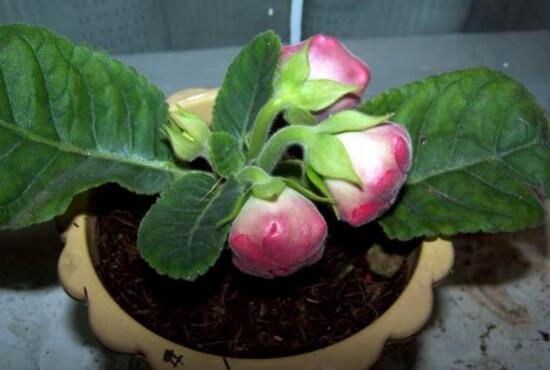
Why do Gloxinia tubers rot? Dig up the tuber, cut away the rotten part and replant
As a common indoor flowering plant, Gloxinia (Sinningia speciosa) should be familiar to flower lovers. Its leaves are large and emerald green, and its flowers are beautiful and multi-colored, making it highly ornamental when grown indoors. But during the growing process, many flower lovers encounter the phenomenon of the tuber rotting. So why do Gloxinia tubers rot? What should you do when a Gloxinia tuber rots?
-
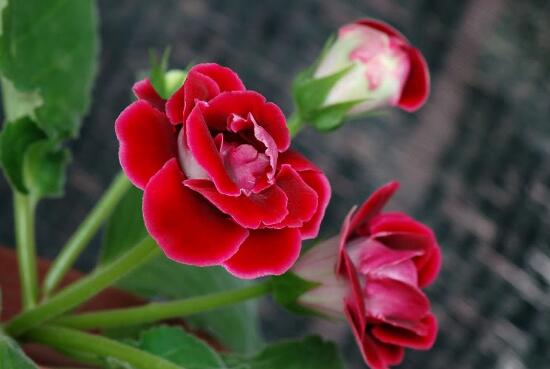
How to care for gloxinia in winter? Dig out the tubers and plant them again in spring
Keeping a pot of gloxinia at home is what many people do nowadays, but when winter comes, once the temperature drops below 5°C, the plant enters dormancy, and care at this time requires special attention, otherwise it is very easy to run into all kinds of problems with the plant. So how does gloxinia get through the winter? How to care for gloxinia in winter
-
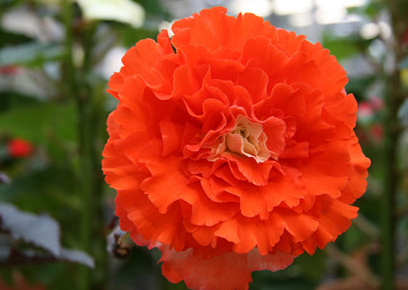
What are the care methods for tuberous begonias?
Watering Tuberous begonias like a moist growing environment, but they are also afraid of waterlogging, so it is best not to let water accumulate. In summer when the weather is dry, increase air humidity by misting and other methods. In autumn and winter during the dormant period, reduce watering, and also reduce watering during the sprouting stage and flowering period of tuberous begonias.
-
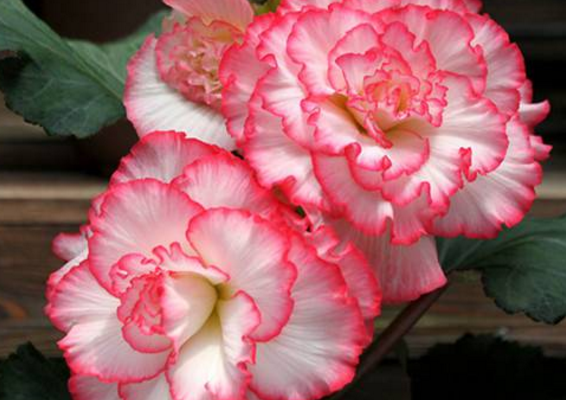
How to Grow and Care for Tuberous Begonias: Methods and Precautions
Light and Temperature Temperature and light: Tuberous begonias like a warm, fairly humid growing environment. They dislike the intense heat of summer and cannot withstand the severe cold of winter, so semi-shade is best. The most suitable temperature for tuberous begonia growth is 16°C-21°C. If the temperature is above 30°C
-
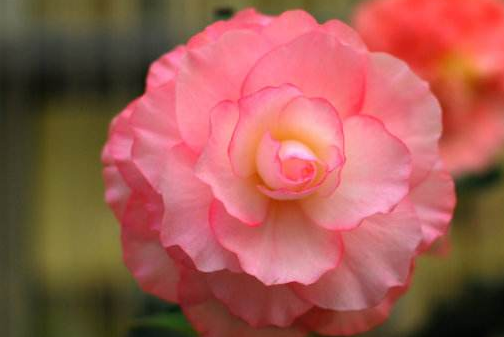
What are the care precautions for tuberous begonias?
Propagation There are mainly three ways to propagate tuberous begonias: seed propagation, cutting propagation, and propagation by cutting the tubers. Seed propagation can be done in spring or autumn. Cutting propagation is most suitable in late spring and early summer. Pest and disease control The main insect pests of tuberous begonias are thrips, aphids, and leaf-rolling moths
-
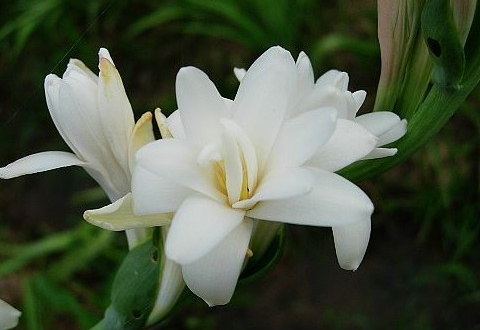
Tuberose Growing Methods and Precautions
1. Soil: Tuberose is not strict about soil, preferring fertile clay soil that does not waterlog; it is not suitable for growing in sandy soil. 2. Light: Tuberose likes ample light and needs frequent ventilation; in summer it should be cared for on balconies and in courtyards to ensure sufficient sunlight. 3. Temperature: Tuberose likes a warm environment.
-

-
-
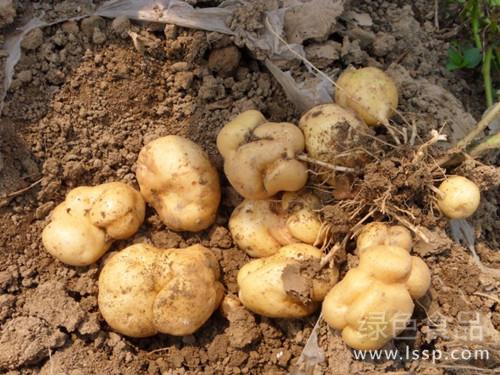
Deformed tubers affect marketability: how to reduce the rate of deformed potatoes
Deformed tubers affect marketability: how to reduce the rate of deformed potatoes
-
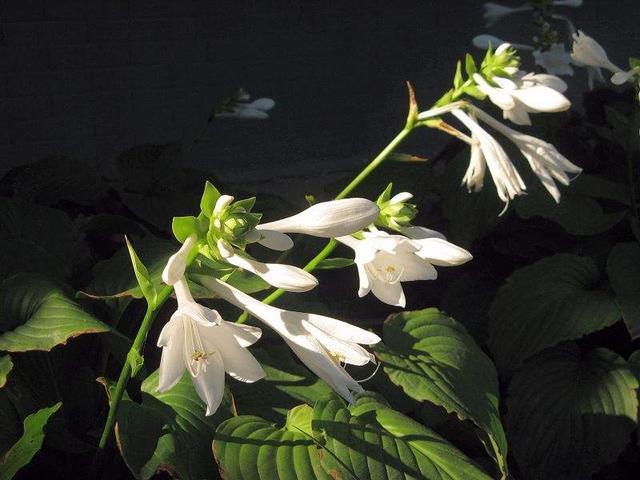
Plant hostas like this: bury the tubers in a flower pot, and two months later they bloom with bell-like flowers
Many flowers and plants love basking in the sunshine, but I wonder if you have ever noticed some plants and flowers that like to grow in dark corners. They do not need plenty of sunlight and prefer to hide quietly in shady corners, needing only non...
条件筛选