-

Detailed Explanation of the Key Field Management Techniques for Mustard Tuber Cultivation
Field Management for Mustard Tuber Cultivation
-

Detailed Guide to Mustard Tuber Cultivation Techniques, the Whole Process from Sowing to Harvest
Cultivation Techniques for Mustard Tuber
-
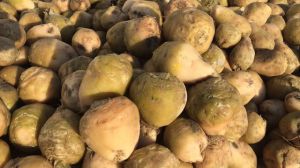
What is the difference between mustard tuber and kohlrabi?
Appearance differences: The former grows 60-150 cm tall, with white outer skin and a fleshy root. The latter is relatively shorter, about 30-60 cm, with pale green outer skin, and there are also purple and green types. Leaf differences: The former has smaller leaves, with different shapes for basal and stem leaves, while the latter has broader, larger leaves covered with a white powdery layer.
-
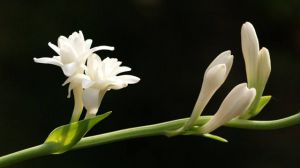
How to identify tuberose? A few practical tips for you
Leaves: basal leaves, linear, about 6-9 clustered together, dark green, with relatively pointed tips; leaves on the flower stem are scattered. Flowers: the spike inflorescence of tuberose is terminal, milky white, with green bracts, slightly curved at the base; the perianth and lobes are oblong-lanceolate; the stamens grow inside the perianth tube; the style is relatively slender, with a 3-lobed stigma.
-

What is the price of tuberous begonia seeds? Detailed planting methods
Tuberous begonia seed prices and planting methods
-
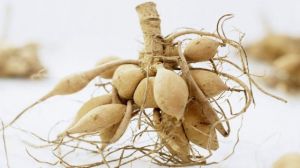
How to Plant Dahlia Tubers: A Detailed Guide to the Planting Method
When planting dahlias, the first step is to select the tubers, and those with healthy roots and plump, fleshy tissue are the best; then choose the correct planting method. First treat the roots, then begin planting. Dig a 20 cm hole in the ground and add fertilizer; next plant the tuber and set a stake in place, then backfill with soil and water, and finally prune as appropriate.
-

Can Dahlia Tubers Be Eaten? Read This Article and You'll Know
Many people don't know whether dahlia tubers are edible, but in fact they are. Its tubers have a cooling, detoxifying and swelling-reducing effect, and can be eaten raw or cooked, but in moderation. There are also many ways to eat them; for example, because their flavor closely resembles a mix of carrot and shepherd's purse, they are very suitable for salads. In addition, the flowers can be made into floral tea, which tastes especially fresh.
-
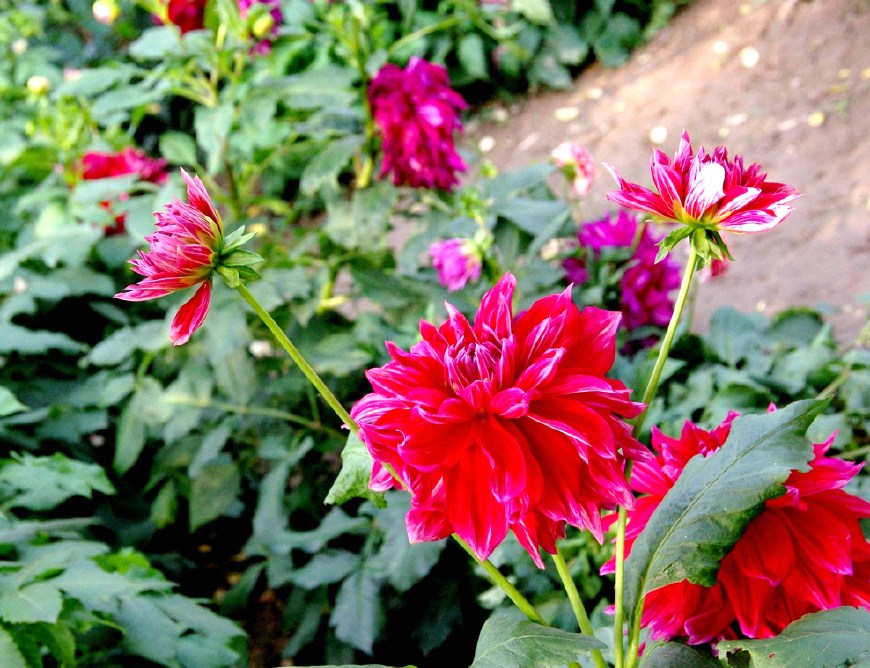
Rotting tuber thrown into soil, blooms 20 flowers at once, big and vivid, blooming for months, a real steal
Picked up a rotting tuber at the flower market, casually tossed it into a flower pot, and it bloomed 20 flowers at once, big and vivid, blooming continuously for months, a real steal! Growing flowers at home is a very common thing, and it is also very simple, especially with some flowers...
-
Clever topdressing for sweet potatoes: fast tuberous root expansion
Sweet potato is a potassium-loving crop. Of the nutrients it needs, nitrogen accounts for 30%, phosphorus 10%, and potassium 60%. During growth, potassium deficiency in sweet potatoes at an early stage causes shortened internodes and petioles and smaller leaves; potassium deficiency at a later stage causes severe chlorosis of the veins in old leaves, which gradually drop off, seriously affecting yield formation later on. The method of applying potassium fertilizer is: ...
-

Sweet potato vines grow like crazy but produce no tubers - where did the tubers in the soil go?
Generally speaking, sweet potatoes only gradually swell their root tubers after the Start of Autumn (Liqiu). If the sweet potato is currently growing vines without forming tubers, this is also fairly normal. Generally, when the light duration is around 13 hours, it favors the swelling of root tubers, and at this...
条件筛选