-
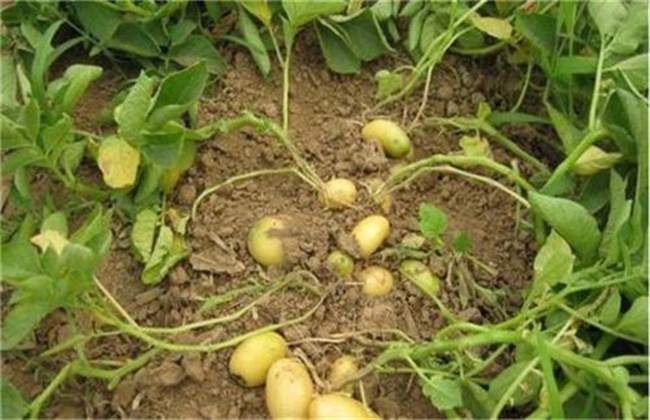
What to Do If Potatoes Only Grow Stems Without Forming Tubers? Prevention and Remedial Measures
Prevention and Remedial Measures for Potatoes That Only Grow Stems Without Forming Tubers
-
-
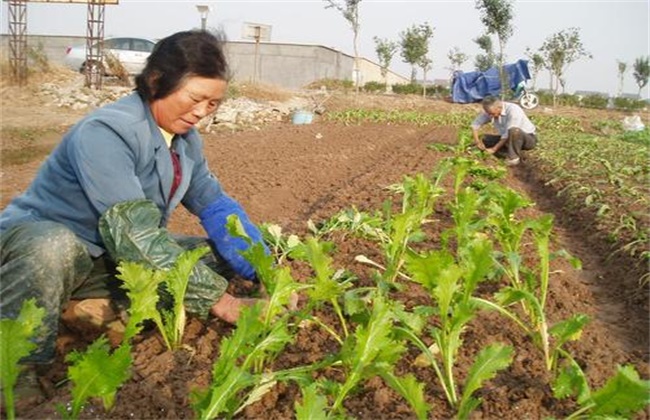
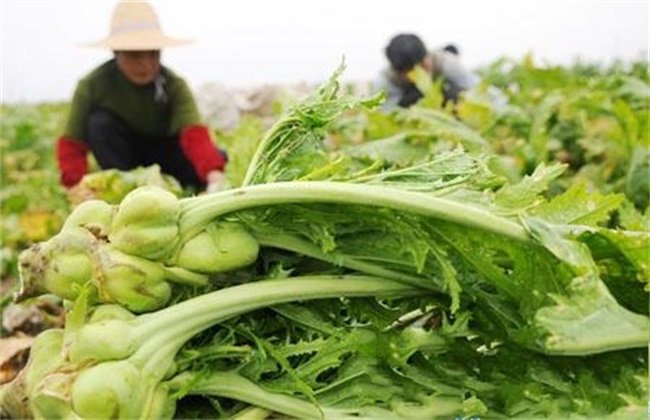
What are the transplanting techniques and seed-saving key points for zhaicai (tuber mustard)?
Transplanting techniques and seed-saving key points for zhaicai (tuber mustard)
-
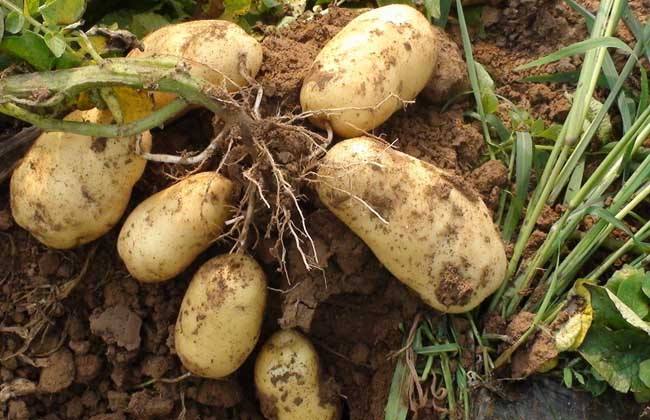
Reasons for Few or No Tubers in Potatoes and Preventive Measures
Reasons for Few or No Tubers in Potatoes and Preventive Measures
-

What are the key management techniques for sweet potato during the tuber bulking stage?
How should sweet potatoes be managed during the tuber bulking stage?
-

For open-field cultivation of potatoes in the autumn crop, whole-tuber sowing should be adopted.
Since the sowing period for open-field potatoes in the autumn crop falls in August, which is hot and rainy, sowing after cutting the potatoes into pieces leads to serious problems such as tuber rot and dead vines. Therefore, whole-tuber sowing should be adopted for open-field potatoes in the autumn crop. When using whole-tuber sowing, select potatoes that are unbruised, disease-free, crack-free, with bright skin color and a moderate size. Because whole-tuber sowing of potatoes emerges more slowly than cut-piece sowing, and because potatoes harvested in spring are used as seed, the seed tubers are still in a dormant state at autumn sowing (except for some varieties with an extremely short dormancy period, such as Fengshoubai and Zheng
-
Detailed Explanation of Industrialized Production Technology for Potato Microtuber
This achievement includes a series of industrial technologies for virus elimination of potato microtubers, rapid propagation, and field planting of induced microtubers. Based on the basic theories and operational techniques of bioengineering, combined with the physiological mechanisms of tuber formation, suitable culture media and culture conditions are used to induce potato test-tube plantlets and axillary buds of test-tube plantlet segments to form microtubers suitable for field planting under tissue culture conditions, thereby achieving commercial production. Through suitable induction techniques and improvements in culture containers, the production rate of test-tube plantlets per unit culture area has been increased by 3 to 5 times, reaching a maximum of 2
-
Will potato tubers continue to enlarge?
The tuberization stage is the period when tubers form and rapidly expand. Water consumption during the peak tuberization stage accounts for more than half of the total water requirement of the whole growth period. Soil moisture content should be maintained at about 70% of field capacity, that is, when picked up it forms a ball, and when dropped from a height of one meter it breaks apart; this is ideal. In the late tuberization stage, that is, one week to 10 days before harvest, irrigation should be stopped to facilitate harvest.
-
Occurrence and Control Methods of Potato Tuber Rot Nematode
Fengning and Weichang counties in the north of Chengde City plant more than 40,000 hectares of potatoes annually, producing more than 800 million kg of seed potatoes and commercial potatoes per year, with about 120 million kg stored in winter, making it one of the four major potato production bases in the country. In recent years, the damage caused by the potato tuber rot nematode has led to great losses in stored potatoes. In 1994, it caused 5%-7% loss of stored potatoes, and in severely affected potato cellars, losses reached as high as 20%-30%. According to the currently retrieved data, this nematode is widely distributed in potato-growing areas of Asia, Europe, the Americas and Africa
-
Occurrence Patterns and Control Methods of the Potato Tuber Moth
The potato tuber moth, also known as the potato borer and the tobacco leafminer, is commonly called the "string-skin worm," "embroidery worm," and "potato maggot" by farmers. 1. Damage symptoms: The larvae cause damage mainly by boring and feeding, usually entering through the buds and broken skin of the tubers. Larvae hatched on the plant spin silk and spread with the wind, boring from the leaf surface into the leaf interior to feed and cause damage. After the damaged leaves wither and die, the larvae move to other leaves to cause damage. 2. Occurrence patterns: The potato tuber moth produces several generations a year, overwintering in various stages on mother tubers in the field and on the residual plants and fallen leaves of various hosts. Adult
条件筛选