-
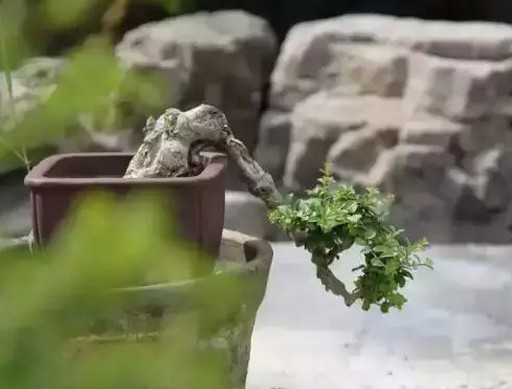
Cultivation of small trees for landscape bonsai originates from insights into how nature shapes trees
Bonsai starts from small seedlings, pruned once a year in the early stage, beginning with basic training; as time accumulates, the small tree naturally shows healed pruning cuts, and according to one's own needs and purposes, the tree's form is gradually perfected through continuous pruning. Young trees in the early stage have no degree of aging. Due to the characteristics of some tree species, such as Chinese privet (Ligustrum sinense)
-
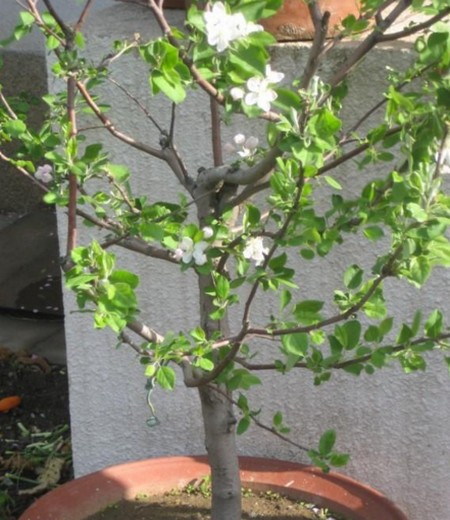
How to prune a potted plum tree? Detailed guide to bonsai pruning techniques for plum trees
The pruning shape of a potted plum tree should not only favor fruiting but also have an aesthetic effect, enhancing its ornamental value. Usually, the natural round-headed shape and the pagoda shape are the main forms, though you can also shape it into a favorite tree form according to personal preference, such as the cascade style or the curved-trunk style. After potting
-
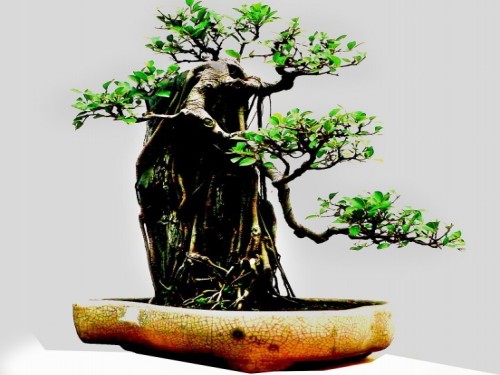
How to water bonsai trees? A detailed guide to the correct watering method
Watering is one of the main management tasks in bonsai tree care. Trees growing in pots have limited soil, so they dry out easily. If water is not replenished in time, they will suffer from lack of water and die; however, overwatering is also bad, as it can cause leggy growth. If the soil stays too wet for a long time, the roots cannot breathe properly and are prone to rot and death.
-
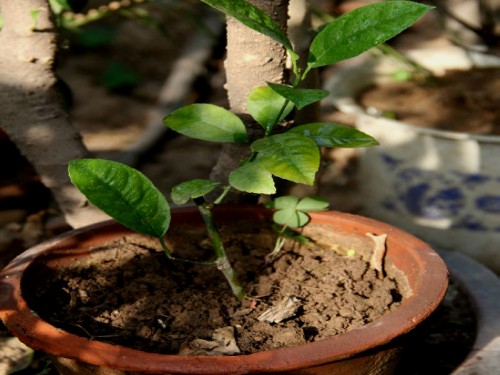
Can lemon trees be propagated from cuttings? A detailed guide to cutting propagation techniques
Citrus fruit seeds can all be used to make fresh indoor potted plants, such as lemon, orange and pomelo, though of course you need to know some basic growing skills. They usually take several years to bear fruit, so this requires a great deal of patience. A potted lemon is also very ornamental
-
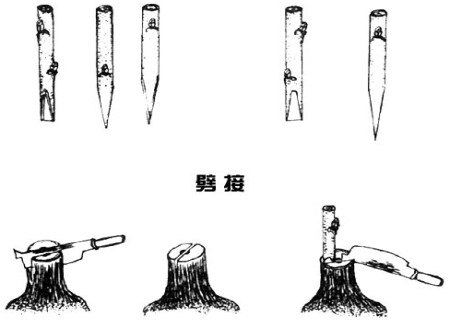
Detailed Explanation of the Key Operation Points of the Cleft Grafting Technique for Pear Trees
Among fruit trees, the pear tree is a species that is relatively easy to graft, and most grafting methods readily succeed. In summer, it is best to use the three bud grafting methods: patch budding, chip budding and T-shaped budding; in spring, it is best to use the two scion grafting methods: single-bud side grafting and cleft grafting
-
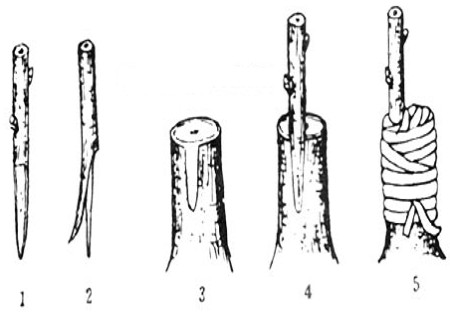
Detailed Explanation of the Operation Method for the Bark-Grafting Tongue Approach Technique on Pear Trees
Grafting is the artificial joining of tissues such as a branch or bud from one plant onto a suitable part such as the branch, trunk or root of another plant, so that they heal and grow together to form a new plant. This branch or bud is called the scion, and the plant that bears the scion is called the rootstock. When grafting
-
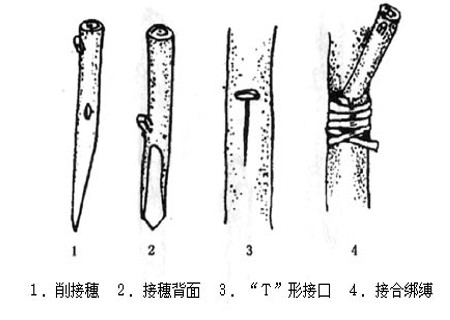
A detailed guide to the side-grafting technique for pear trees: master the key operation points
For grafting pear rootstock, I use T-shaped budding; for thicker suckers, side grafting or cut grafting can be used. For pear seedlings after transplanting and grafting, because the density in the sowing bed is relatively high, growth is often uneven, so it is best to plant out the grafted half-grown seedlings separately before spring growth the following year.
-
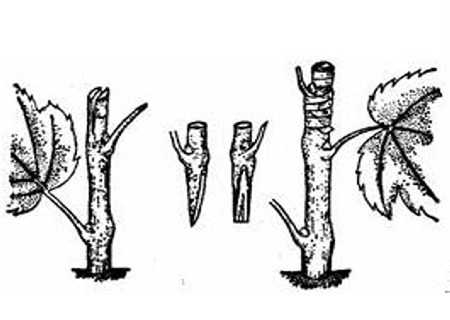
Key Points and Detailed Operation Methods of Softwood Grafting on Pear Trees
Grafting is a propagation method in which a branch or bud from one plant is attached to the branch, trunk or root of another plant so that they form a new plant. The nursery stock produced by grafting is called a grafted seedling. The branch or bud used for grafting is called the scion, and the plant that bears the scion is called the rootstock
-
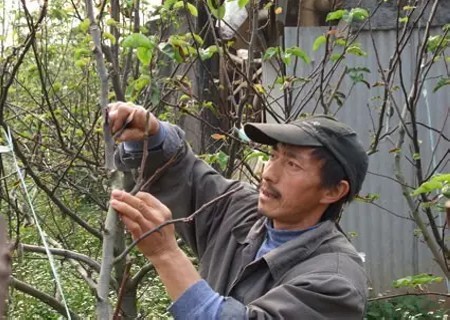
How to manage pear trees after grafting to achieve a high yield
Pears are widely cultivated across both northern and southern China, with strong adaptability. They tolerate extensive management, bear fruit early and yield abundantly, and have a long economic life. The fruit stores and ships well, has good market appeal, and a long supply period, making it highly popular in domestic and international markets. Grafting is done to improve tree quality, enhance resistance, and promote high yields. Master the ratio of yield to graft unions. Practice has shown
-
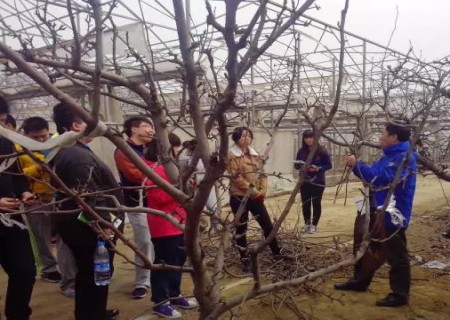
Key Points and Operation Methods of Chip Budding Grafting Technique for Pear Trees
Pear trees, due to the physiological characteristics of the variety or improper management, develop bare legs on the main branches (trunks), ultimately leading to a dense exterior and hollow interior, with fruiting branches becoming weak and shifting outward, ineffective consumption of nutrients, small fruit, poor quality, and low yield. To solve this problem, after several years of practical exploration
条件筛选