-
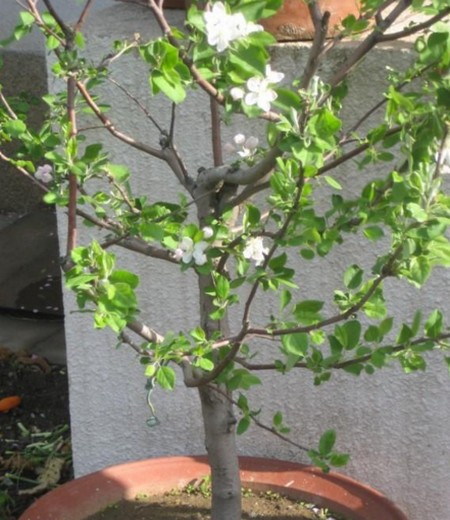
How to prune a potted plum tree? Detailed guide to bonsai pruning techniques for plum trees
The pruning shape of a potted plum tree should not only favor fruiting but also have an aesthetic effect, enhancing its ornamental value. Usually, the natural round-headed shape and the pagoda shape are the main forms, though you can also shape it into a favorite tree form according to personal preference, such as the cascade style or the curved-trunk style. After potting
-

How to prune fruit tree bonsai? A full analysis of the technical key points
Fruit trees grown in pots put on a relatively large amount of growth each year, and if left to grow unchecked, their fruiting is also hard to control. To maintain a perfect, compact tree shape and effectively control growth and fruiting, pruning must be carried out several times a year. By pruning period, it can be divided into dormant-season pruning (winter pruning) and growing-season pruning (summer pruning)
-
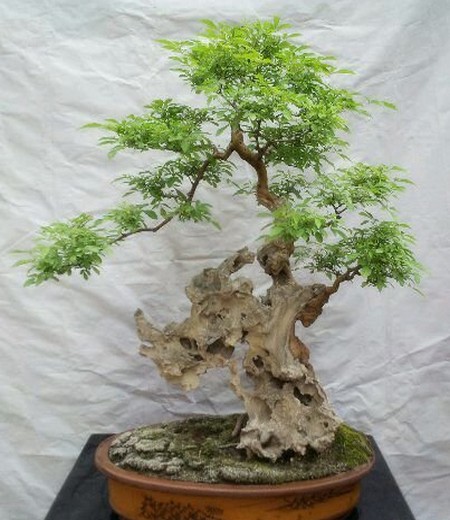
Detailed explanation of the styling methods for Vitex negundo bonsai, teaching you how to create a beautiful tree shape
Vitex negundo, also known as yellow vitex twig, is widely distributed in China and has extremely strong vitality. It is one of the commonly used miscellaneous tree species for making bonsai. It is highly adaptable and not demanding on soil. For potted Vitex negundo, loose-textured, well-draining humus soil is best, and the planting pot should preferably be a clay pot or cement pot. Before planting
-
Detailed Explanation of Key Watering Techniques for Tree Stump Bonsai
Watering is one of the most important and most frequent measures in the management of tree stump bonsai. Tree stumps are planted in pots; whether the pot is deep or shallow, the soil is always limited, and the water it contains is also limited. If water is not supplied for a long time to replenish moisture, the tree stump will wither from lack of water, so timely observation is necessary.
-
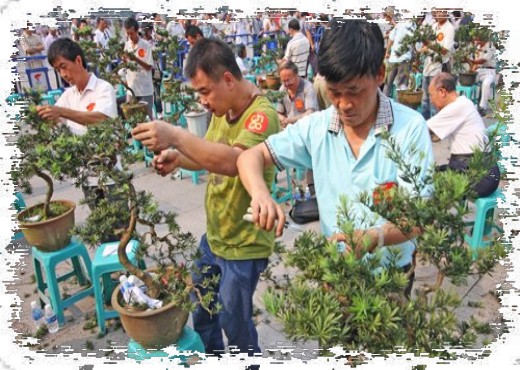
A Detailed Guide to the Processing and Shaping Methods for Bonsai Tree Stock
Seedlings grown from a young age generally begin to be processed and shaped after about 3 to 5 years; for tree stumps collected from the mountains and wilds, most can be processed and shaped after just one year of stock cultivation. Before processing, field-grown tree stock can be dug up and temporarily planted in a pot of basically suitable size, to make it easier to work with and shape. Large tree stock can also be processed and shaped on the spot.
-
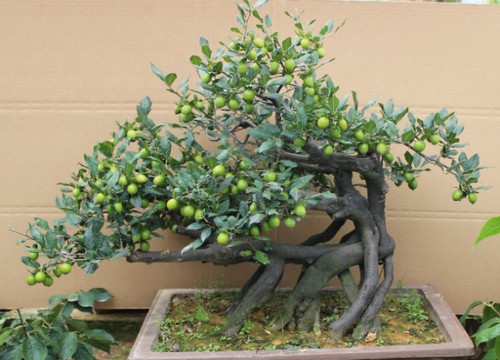
How to fertilize a golden bullet tree (Diospyros cathayensis) bonsai? These techniques you need to master
The golden bullet tree has hard wood. When the bark of a vigorously growing trunk is damaged and the wood is exposed to sunlight and air, the surface layer can blacken, harden, carbonize and not rot. This phenomenon is rarely seen in other tree species, and this property of the golden bullet tree can be used when carving and shaping the trunk. The golden bullet tree tolerates poor soil; with sufficient fertilizer, the leaves are thick, dark green and glossy.
-
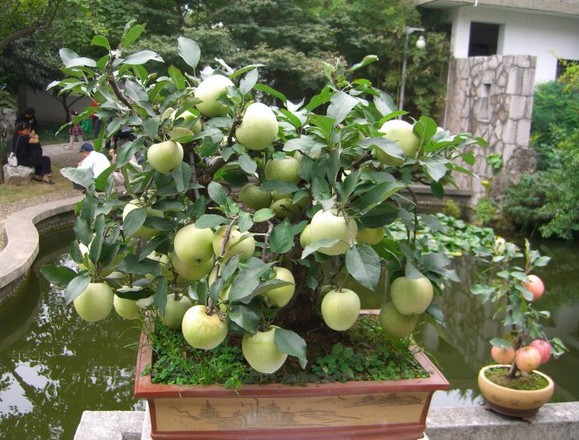
Detailed Explanation of Winter Pruning Methods for Fruit Tree Bonsai, Beginners Can Learn Too
Winter pruning, also called dormant-season pruning, refers to pruning during the dormant period from after the fruit tree sheds its leaves until spring flower buds begin to swell. The so-called winter pruning keeps the tree vigorous because at this time most of the nutrients have already been transferred from the branches and leaves to the main trunk and roots of the fruit tree for storage, so pruning causes the least nutrient loss to the fruit tree and less damage to the tree body.
-
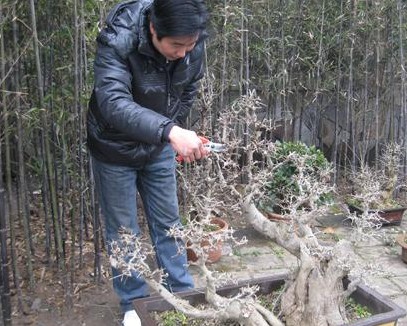
How to achieve harmony when styling tree bonsai
In the creation of tree bonsai, a bonsai worthy of being called an excellent work must have all its parts integrated into one body, unified and harmonious. Otherwise, it is not a good work. In styling, the various ornamental parts of the bonsai, including trunk, branches, leaves, flowers, fruit and roots, should be mutually unified and harmoniously developed
-
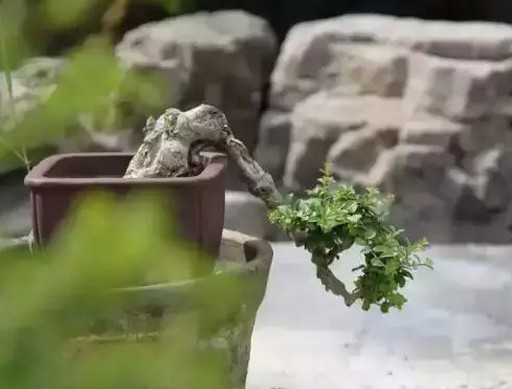
Cultivation of small trees for landscape bonsai originates from insights into how nature shapes trees
Bonsai starts from small seedlings, pruned once a year in the early stage, beginning with basic training; as time accumulates, the small tree naturally shows healed pruning cuts, and according to one's own needs and purposes, the tree's form is gradually perfected through continuous pruning. Young trees in the early stage have no degree of aging. Due to the characteristics of some tree species, such as Chinese privet (Ligustrum sinense)
-
条件筛选