How to fertilize a golden bullet tree (Diospyros cathayensis) bonsai? These techniques you need to master
The golden bullet tree has hard wood. When the bark of a vigorously growing trunk is damaged and the wood is exposed to sunlight and air, the surface layer can blacken, harden, carbonize and not rot. This phenomenon is rarely seen in other tree species, and this property of the golden bullet tree can be used when carving and shaping the trunk.
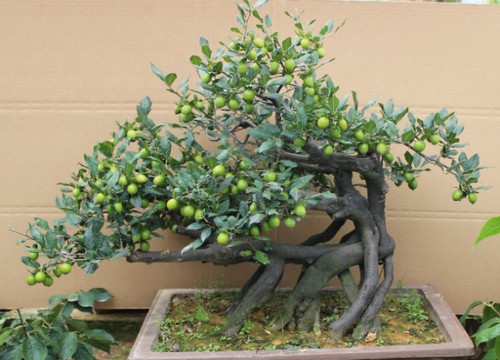
The golden bullet tree tolerates poor soil. With sufficient fertilizer, the leaves are thick, dark green and glossy; with too much fertilizer, the leaves curl and wrinkle, and the degree of wrinkling can show the fertilization status. The golden bullet tree has strong drought tolerance and absorbs and evaporates a lot of water. After losing water, the leaves become weak, the leaf color darkens and loses its gloss, and when severely short of water the leaves droop. If this is observed and water is given in time, the plant can recover its vitality; in severe cases the leaves fall off but new buds can grow again, while if the leaves do not fall off, it is a symptom of dehydration and death.
Apply a once-monthly diluted fully rotted liquid fertilizer, and pay attention to a reasonable balance of nitrogen, phosphorus and potassium in the liquid fertilizer. In early to mid-April, spray the leaves twice with 0.3% to 0.5% potassium dihydrogen phosphate; at the flower-falling stage, spray once with fruit-setting hormone or gibberellin, which helps increase the fruit-setting rate. From July to August each year, apply two additional organic liquid fertilizers mainly based on phosphorus and potassium fertilizer to promote fruit enlargement and bright color. In November, apply dry cake fertilizer plus organic fertilizer containing phosphorus and potassium deeply into the pot as base fertilizer for overwintering.