-
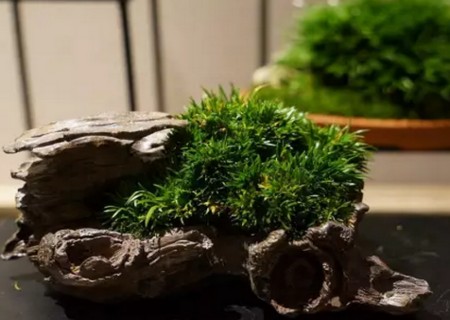
Detailed Guide to Acorus calamus Division Propagation Methods and Steps
The ancient scholar Zhang Tingjiao said that Acorus calamus has the spirit of mountains and forests, not the air of wealth and nobility. It has a clean form, not a filthy form. Its pure qi rises beyond the dust of the world, its spiritual essence dwells among water and stones. This is a quiet specimen, this is a long-lived specimen; those who cultivate it cherish it. As one of the best companion plants for bonsai, Acorus calamus, with its scholarly temperament and fragrant scent
-
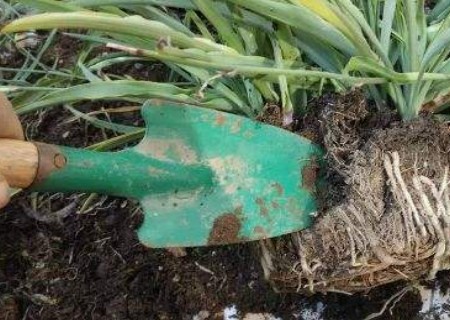
How to divide a potted spider plant? Methods and steps for propagation by division
Potted flowers that can be propagated by division are mainly perennial evergreen herbaceous flowers. Among these flowers, some rely on creeping underground stems that keep extending, causing the clumps to continuously expand. When dividing, first take the mother plant out of the flower pot, shake off the outer soil, and use a sharp knife or pruning shears to cut apart the underground stems connecting the leaf clusters
-
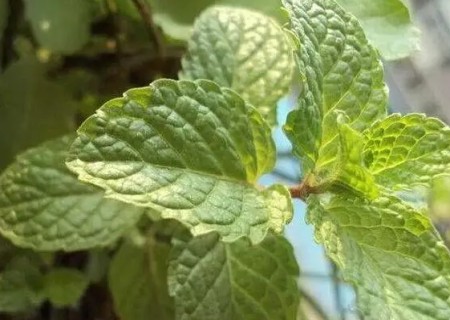
How to Grow Mint in Water? A Full Breakdown of the Detailed Method and Steps
There are many kinds of mint. Some mint can be used in cooking, some can be made into a cool drink, blended with lemon into mint lemonade, and mint can also be rubbed on insect bites to cool and relieve itching. Liking the smell of mint is the main reason I grow it. Mint has two propagation methods. One is sowing seeds, which I have tried
-
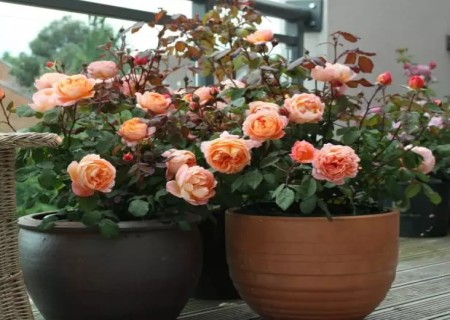
Detailed guide to air layering propagation for roses, all the operation steps are here
Roses come in a vast number of varieties and bloom all year round, with extremely rich colors: red as if painted with vermilion, white like plain jade, yellow like brocade, purple like gems, with vivid colors and dazzling variety, unmatched by many other flowers. Among rose propagation methods, air layering is one of the commonly used methods
-
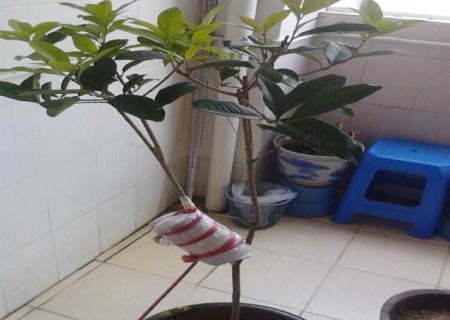
How to Propagate Osmanthus by Layering? A Full Breakdown of Methods and Steps
Layering propagation makes use of the habit of branches rooting when they come into contact with soil: part of a branch or its stem is buried and pressed into the soil to let it root, and it is then separated into an independent plant. Layering is one of the many methods of flower propagation; it involves pressing and burying the lower branches of the mother plant into the soil
-
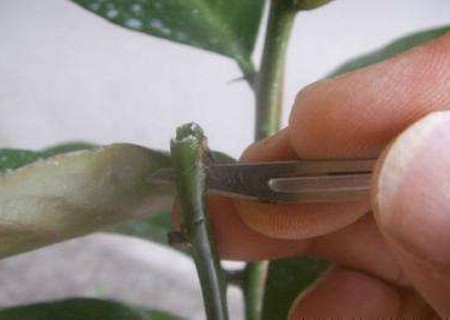
Plum blossom budding method illustrated, detailed steps of the grafting method
Budding is a method in which a single bud is cut from a branch, with or without a little wood, inserted into a cut in the rootstock, and then tied so that the two knit closely together and heal. Budding should be carried out during the slow-growth period, because at this time the cambium cells are still very active and the tissues of the bud are already well developed. Potted plum blossoms are mainly propagated by grafting, commonly using cleft grafting and budding.
-
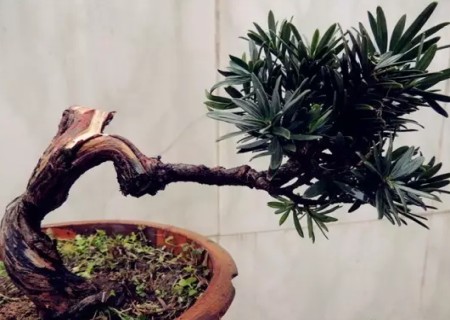
How to propagate Podocarpus macrophyllus by air layering? Detailed method and steps
Podocarpus macrophyllus has an elegant and upright charm, with a powerful and vigorous proud momentum. Combined with meanings in Chinese culture such as longevity and keeping wealth and good fortune, owners pursuing high-grade courtyard landscaping often like to plant one or two Podocarpus macrophyllus, adding a brilliant touch to their own "garden-style story." As a slow-growing tree species, Podocarpus macrophyllus
-
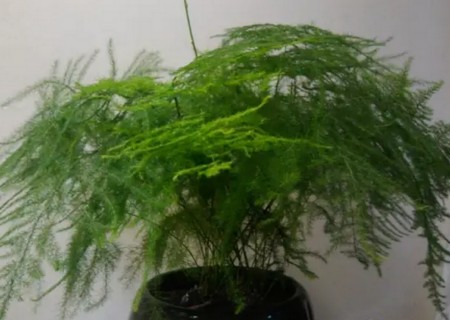
How to divide Asparagus fern (Asparagus setaceus): illustrated steps and precautions
Asparagus fern has an elegant form, with heights arranged in order and a quiet, refined charm, giving it high ornamental value. Its stems are jointed like bamboo and carry the graceful, unrestrained bearing of bamboo, which is why it is called "wenzhu" (literary bamboo). Its leaf-like branches are slender and beautiful, densely growing like feathers, with layer upon layer of emerald cloud, an elegant plant shape and a distinctive charm, deeply loved by people
-
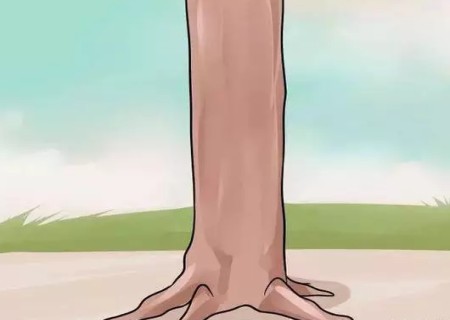
Illustrated guide to the cleft grafting technique for bonsai, with detailed steps that are easy to understand at a glance
Grafting is the artificial joining of tissues such as a branch or bud from one plant onto a suitable part of another plant, such as a branch, trunk or root, so that they heal and grow together to form a new plant. This branch or bud is called the scion, and the plant that receives the scion is called the rootstock. Grafting flowers and trees places great emphasis on technique
-
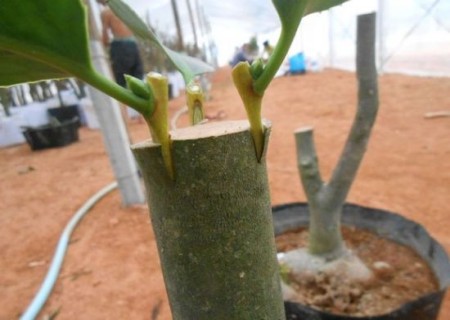
Illustrated guide to the bark grafting technique for bonsai: the steps are easy to understand at a glance
Bark grafting is carried out when the phloem of the rootstock peels easily; the rootstock should preferably be somewhat thicker than the scion. The scion should be cut longer to increase the contact surface. Its advantages are a high survival rate; its disadvantages are that grafting is slow, and after the graft takes, the new shoots need to be supported and tied to prevent breakage. Mulberry
条件筛选