-
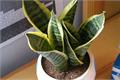
How to Grow Snake Plant 'Laurentii'? Learn It Easily in a Few Simple Steps
Grow Snake Plant 'Laurentii' Easily in a Few Simple Steps
-
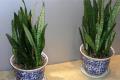
Snake Plant Care Methods and Classification Explained
Snake Plant Care Methods and Classification You Have to Learn
-

How to grow snake plants: grow them this way for more vigorous growth
How to grow snake plants: make your snake plant thrive
-

How to Grow Snake Plants So They Become Your Home's Little Environmental Guardian
The Little Home Environmental Guardian: How to Grow Snake Plants
-

-
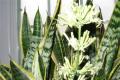
A detailed guide to snake plant care, learn to grow it with ease
The big reveal of snake plant care methods
-

Snake Plant Care Methods and Precautions: An Exchange of Experience
Snake Plant Care Methods and Precautions: An Exchange of Experience
-
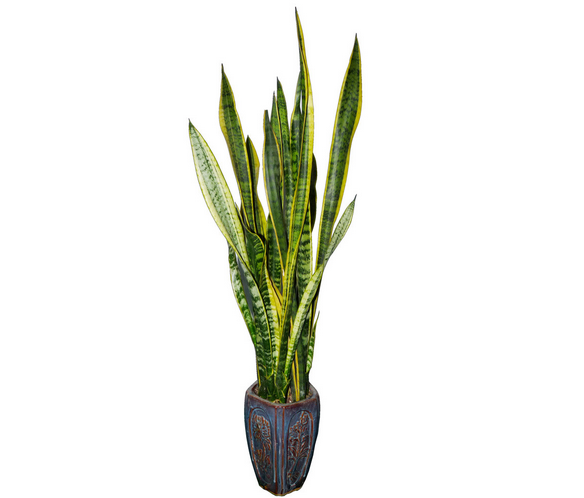
How to Grow Snake Plants? A Few Practical Care Tips for You
Snake plant, also known as mother-in-law's tongue. Its leaves rise straight up, firm and upright, sword-shaped, with gorgeously patterned leaf surfaces full of character. Because it stays green all year round and has an exceptionally long ornamental period, it is an excellent foliage plant. The snake plant's leaves are dark green, with cloud-like horizontal bands of alternating light green and dark green on both sides, resembling a tiger's tail.
-
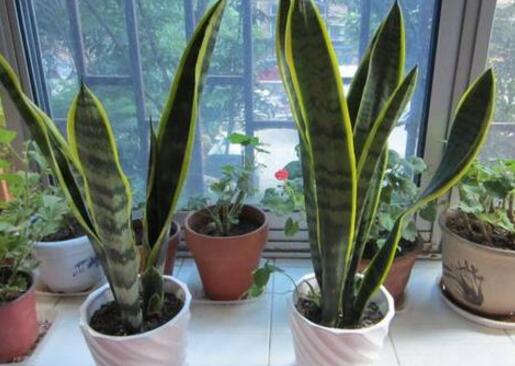
How to propagate snake plants? Introduction to several common methods
For propagating snake plants (Sansevieria) in small quantities, division can be used. Its underground rhizomes are thick and branch strongly, and after the terminal bud on each branch sprouts, it can send up new leaves. When dividing, first take the plant out of the pot, shake off the soil, find the rhizome beneath each cluster of leaves, cut it off with pruning shears, and plant it separately; all will survive.
-

How to care for a snake plant? A few practical care methods to share
Snake plant, also known as tiger ear plant, thousand-year plant, and tiger tail sansevieria, is a perennial evergreen plant of the Agavaceae family. It stays green all year round, with upright leaves that stand straight up, making it suitable for decorating rest spaces such as living rooms and studies, and it is very popular among older gardening enthusiasts. The linear leaves have horizontal banded markings of alternating white and dark green on both sides, resembling the stripes of a tiger's tail
条件筛选