Snake Plant Care Methods and Precautions: An Exchange of Experience
Like most green plants, the snake plant also has excellent air-purifying effects. Placing it in your home not only provides ornamental value but also absorbs harmful substances such as formaldehyde indoors, reducing the harm to your family. Next, let us share with you the care methods and precautions for snake plants.
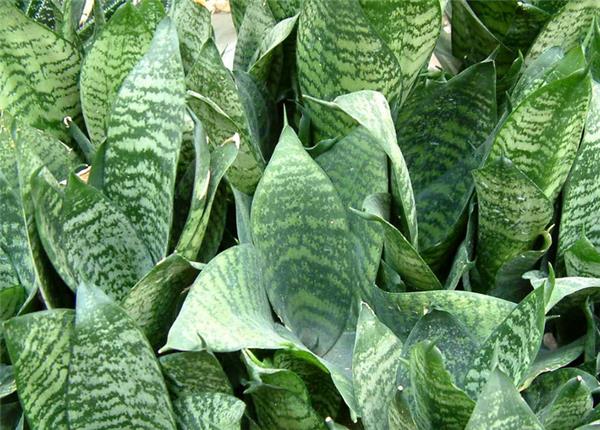
I. Snake Plant Care Methods
First: Soil Selection
Snake plants require loose soil with good air permeability, so when mixing soil for snake plants, be sure to use 2/3 leaf mold plus 1/3 garden soil. Remember that the soil must be loose and breathable, otherwise moisture will not evaporate easily, leading to root and stem rot.
Second: Sunlight Requirements
Snake plants love light, so be sure to let them come into contact with sunlight regularly. It is best to place them somewhere they can receive direct sunlight. If conditions do not allow this, then place them somewhere close to sunlight. Being placed in a dark place for a long time will cause the leaves to turn yellow.
Third: Temperature
Snake plants have fairly high temperature requirements. Their suitable growing temperature is 20-30°C, and in winter it should not drop below 10°C at minimum, so be sure to pay attention, especially in northern regions.
Fourth: Watering
Snake plants also have fairly high water requirements. Generally speaking, if the soil is relatively loose, watering twice a week is needed, while in winter, due to climatic factors, only once is sufficient.
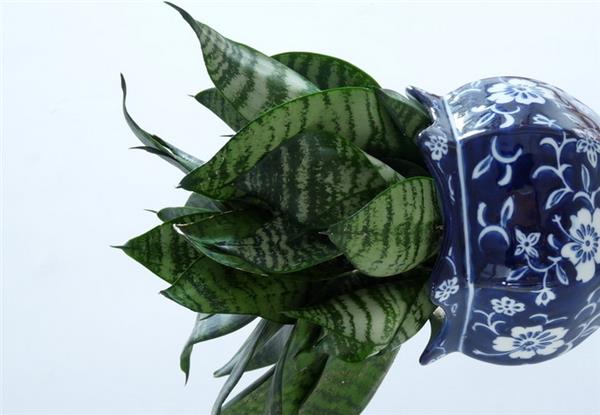
Fifth: Pruning
Compared with other household green plants, snake plants grow relatively quickly. Therefore, when the pot becomes full, manual pruning is needed, mainly cutting away old leaves and overly dense areas to ensure adequate sunlight and growing space.
Sixth: Repotting
Snake plants are perennial plants. Generally speaking, they need to be repotted once every two years. When repotting, be sure to add nutrients to the new soil to ensure their nutritional supply.
II. Precautions for Snake Plants
1. For potted snake plants, a mixture of equal parts leaf mold and garden soil with a small amount of decomposed base fertilizer can be used as the growing medium. They grow well under conditions of sufficient light. Apart from avoiding direct harsh sunlight in midsummer, they should receive plenty of sunlight in other seasons. If placed in a spot indoors with too little light for too long, the leaves will become dull and lack vitality. In addition, if kept indoors for a long time, they should not be suddenly moved directly into sunlight. They should first be moved to a spot with better light to let them adapt before being exposed to sunlight, so as to avoid scorching the leaves.
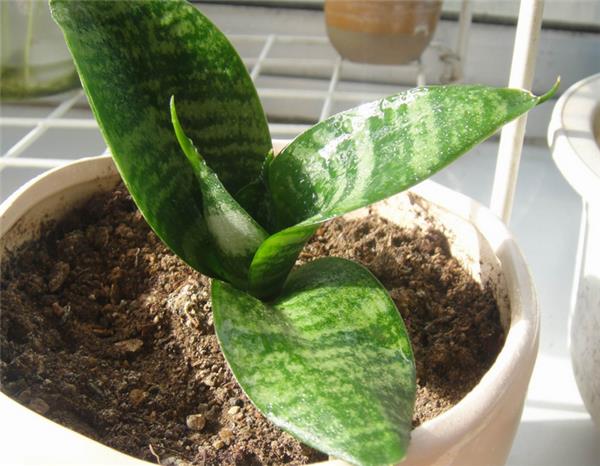
2. Watering should be done in moderation, following the principle of preferring dry over wet. Normally, wipe dust off the leaf surfaces with clean water to keep the leaves clean and glossy. In spring, when new plants sprout at the root crown, water a little more to keep the potting soil moist. In the high-temperature summer season, the potting soil should also be kept moist regularly. After late autumn, watering should be reduced, and the potting soil should be kept relatively dry to enhance cold resistance. It does not have high fertilizer requirements. During the growing season, apply diluted liquid fertilizer 1-2 times a month to ensure the leaves remain verdant and thick.
3. Snake plants have strong adaptability. They prefer warm and humid conditions, are drought-tolerant, and like light while also tolerating shade. They are not demanding about soil, and sandy loam with good drainage is preferable. Their suitable growing temperature is 20-30°C, and their overwintering temperature is 10°C.
III. Benefits of Snake Plants
The easiest indoor ornamental plant to grow, the snake plant (Sansevieria), is a natural scavenger that can remove harmful substances from the air. Studies have shown that snake plants can absorb more than 80% of harmful gases indoors, have an extremely strong ability to absorb formaldehyde, and can effectively remove harmful substances such as sulfur dioxide, chlorine, ether, ethylene, carbon monoxide, and nitrogen peroxide. Snake plants have high ornamental value and can be used for potted display and flowerbed arrangement. They are suitable for decorating homes and office environments, playing a good role in beautifying the environment and purifying the air.
[Functions and Indications] Clearing heat and detoxifying. Treats colds, bronchitis, bruises, and sores.
The above are the care methods and precautions for snake plants. We hope this is helpful to you, so that your home is always full of spring and vitality. Even in the bleak winter, there are signs of thriving life!