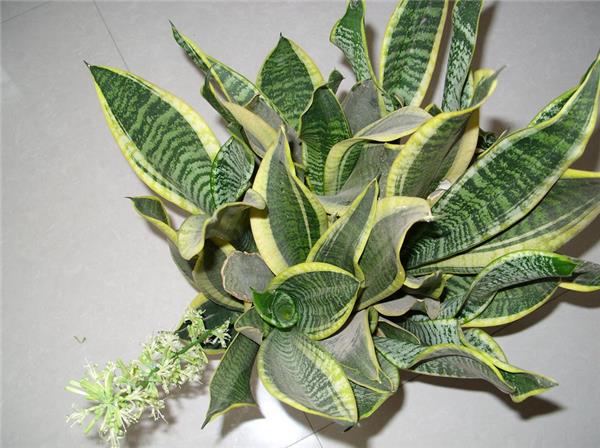
How to Grow Snake Plants So They Become Your Home's Little Environmental Guardian
The snake plant (Sansevieria) is a plant that many households love to grow. It not only has excellent ornamental value but also does a great job of removing formaldehyde from the air, making it a little guardian for the home. However, many people may not be clear on how to grow snake plants. Let's take a look below at the ways to grow snake plants, and I hope it will be helpful to fellow plant lovers!
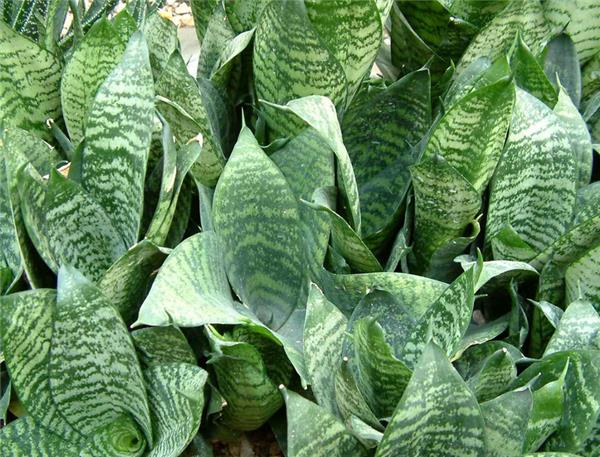
Snake plants (Sansevieria) are highly adaptable (they can be grown indoors, on balconies, or in fully shaded environments, though in fully shaded environments they need to be moved out regularly to get light). They like warmth and humidity, tolerate drought, and enjoy light while also tolerating shade (although they like light, they are afraid of blazing sun). They are not demanding about soil, and sandy loam with good drainage is preferable. Their optimum growing temperature is 20-30°C, and their overwintering temperature is 10°C. Because the snake plant's root system is not very developed, it easily suffers from waterlogging that causes root rot, so when it comes to watering, it is better to err on the side of too little than too much.
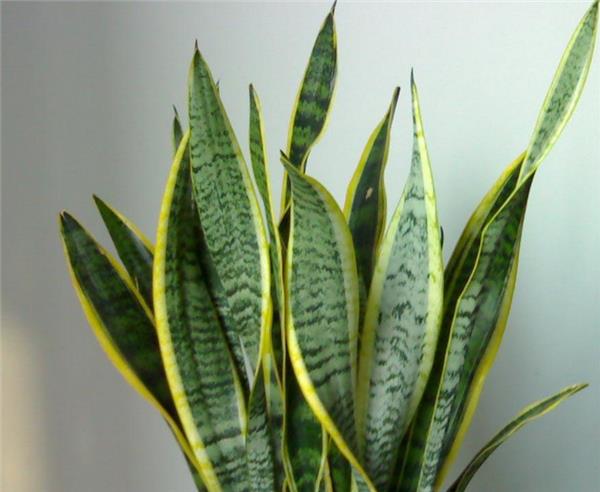
First, Choosing the Soil
Snake plants need loose soil with good air permeability, so when mixing soil for snake plants, be sure to use 2/3 leaf mold plus 1/3 garden soil. Remember that the soil must be loose and breathable, otherwise water will not evaporate easily, leading to rot of the roots and stems.
Snake Plant Growing Methods You Have to See and the Secret to Making Snake Plants Grow Tall
(Snake plants come in many varieties and grow quickly)
Second, Sunlight Requirements
Snake plants like light, so be sure to let them come into contact with sunlight regularly. It is best to place them somewhere they can receive direct sunlight. If conditions do not allow that, then place them somewhere close to the sunlight. Being placed in a dark spot for a long time will cause the leaves to turn yellow.
Third, Temperature
Snake plants have fairly high temperature requirements. Their suitable growing temperature is 20-30°C, and in winter it should not drop below 10°C at the lowest, so be sure to pay attention, especially in northern regions.
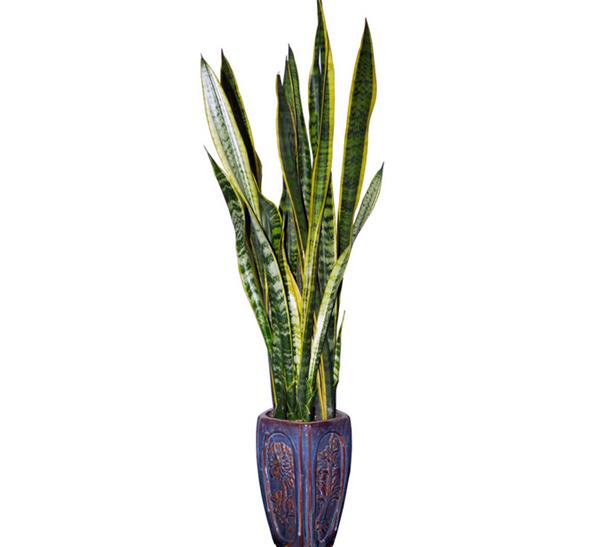
Snake plants also have fairly high water requirements. Generally speaking, if the soil is relatively loose, they need to be watered twice a week, while in winter, due to climatic factors, only once is needed.
Fifth, Pruning
Compared with other home-grown green plants, snake plants grow relatively quickly. Therefore, once the pot is full, manual pruning is needed, mainly by cutting away old leaves and overly dense areas to ensure they get sunlight and growing space.
Sixth, Repotting
Snake plants are perennial plants. Generally speaking, they should be repotted once every two years. When repotting, be sure to add nutrients to the new soil so as to guarantee their nutrient supply.
Seventh, Planting Method
Snake plants are root-propagated plants. Generally speaking, you only need to plant a few of them, and after a year you can harvest a full pot. When planting, first place part of the soil at the bottom of the pot, then start planting from one side of the pot, planting evenly throughout the pot.
Eighth, Fertilizing
Snake plants are not demanding about fertilizer. You only need to fertilize twice a month during the growing season. Be careful to apply a dilute liquid fertilizer so as to ensure lush growth.
Ninth, The Threat of Diseases and Pests
The common diseases of snake plants are mainly leaf spot disease and anthracnose, and in these cases you can spray 50% carbendazim for treatment; common pests include weevil damage, and in this case you can spray with a 1000-fold dilution of 50% fenitrothion emulsifiable concentrate to kill them.