A detailed guide to snake plant care, learn to grow it with ease
Sansevieria, also known as the thousand-year plant or snake plant, is a perennial herbaceous flowering plant of the Agavaceae family. Its leaves are upright, thick and fleshy, linear-lanceolate, and the leaf surface bears peculiar and fascinating "tiger tail" horizontal bands striped in white and dark green. Growing a snake plant at home has its benefits, so let us take a look at the snake plant care methods together.
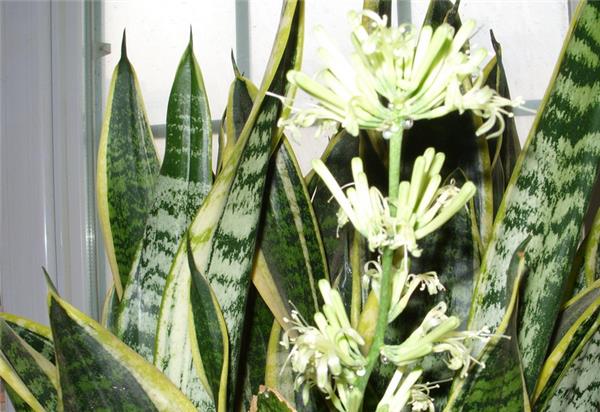
I. Snake plant care methods
First, the choice of soil. The snake plant needs loose soil with good air permeability, so when mixing soil for the snake plant, be sure to use 2/3 leaf mold plus 1/3 garden soil. Remember that the soil must be loose and breathable, otherwise water will not evaporate easily, leading to rot of the roots and rhizomes.
Second, sunlight requirements. The snake plant loves light, so be sure to let it come into contact with sunlight often, ideally placing it somewhere it can be directly exposed. If conditions do not allow this, then place it somewhere close to the sunlight. Being kept in a dark place for a long time will cause the leaves to turn yellow.
Third, temperature. The snake plant has fairly high temperature requirements; its suitable growing temperature is 20-30°C, and in winter it should not go below 10°C, so be sure to pay attention, especially in northern regions.
Fourth, watering. The snake plant also has fairly high water requirements. Generally speaking, if the soil is relatively loose, it needs watering twice a week, while in winter, because of the climate, only once is enough.
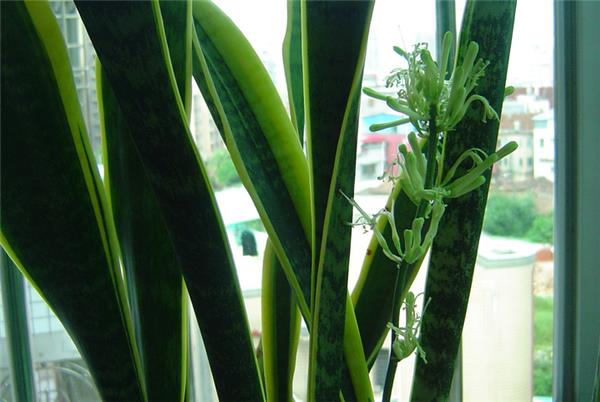
Fifth, pruning. Compared with other green plants kept at home, the snake plant grows relatively fast, so once the pot is full, manual pruning is needed, mainly cutting away old leaves and overly dense areas to ensure sunlight and growing space.
II. Propagation and cultivation of the snake plant
Propagation and cultivation: The snake plant can be propagated by division and by cuttings.
Division: Suitable for all varieties of snake plant, generally done in combination with repotting in spring. The method is to cut an overly dense clump of leaves into several clumps; besides leaves, each clump must also have a section of rhizome and a sucker, and they can then be potted and planted separately.
Cuttings: Only suitable for varieties whose leaves have no golden-yellow margin or silver veins, otherwise the yellow and white markings on the leaves will disappear and the plant will become an ordinary variety of snake plant. The method is to select healthy and plump leaves, cut them into 5-6 cm lengths, insert them into sand or vermiculite with half exposed above the soil surface, keep them slightly moist, and they will root in about a month.
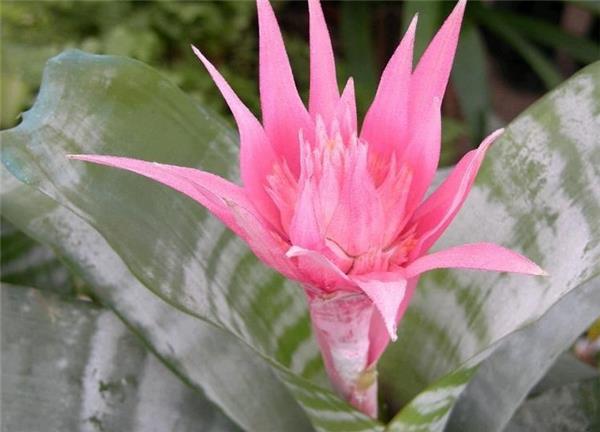
Young plants propagated by leaf cuttings from golden-margin and variegated varieties come out as green seedlings, with the golden margin and mottled pattern disappearing, which lowers their ornamental value, so these varieties are not suitable for leaf-cutting propagation and can only be propagated by division.
Propagation is usually done by division. Division is usually carried out in spring and autumn together with removing the plant from its pot. Take the plant out of the pot, use a sharp knife to separate the offsets from the mother plant, trying to avoid damaging the root system and letting the separated offsets carry as many roots as possible. After separation, the offsets should be placed in a dark indoor spot, protected from rain, and watering should be controlled to avoid rot at the cut. Only after new leaves grow can normal care be resumed.
III. Feng shui placement of the snake plant
Place the snake plant on the balcony. The balcony is where a home draws in energy, so plants that boost vitality and ward off negative energy can be placed there. If the view outside the balcony is beautiful with no negative formations, then plants that boost vitality should be grown. Placed in the office, it is full of greenery and vitality, can bring people a good mood, and also has the effect of attracting wealth and gathering treasure; more importantly, it can guard against radiation and absorb toxic gases and dust.
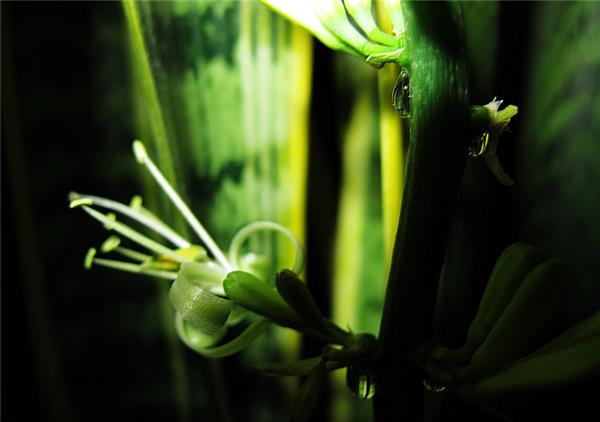
With the above detailed introduction to snake plant propagation and cultivation methods, I believe everyone has gained some understanding, so that when choosing household flowers and plants you can have more confidence in the snake plant, which is even more beneficial for indoor decoration.