-
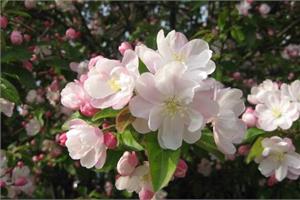
What plant is the Rosa rubus? An analysis of the Rosa rubus flower language and symbolism
What is the Rosa rubus? The Rosa rubus flower language
-
How to grow Rosa banksiae? A complete guide to cultivation methods and precautions
The surface of Rosa banksiae is yellow-brown or gray-brown, and it is distributed in Sichuan, Yunnan and other places in China. The branches of Rosa banksiae can extend to more than 6 cm, and the branches and leaves...
-
Rosa roxburghii planting management and common pest and disease control methods
Rosa roxburghii planting management and common pest and disease control 1 Planting and management 1.1 Scientific planning and variety selection Rosa roxburghii is suitable for growing in warm and humid, sunny, fertile soil...
-
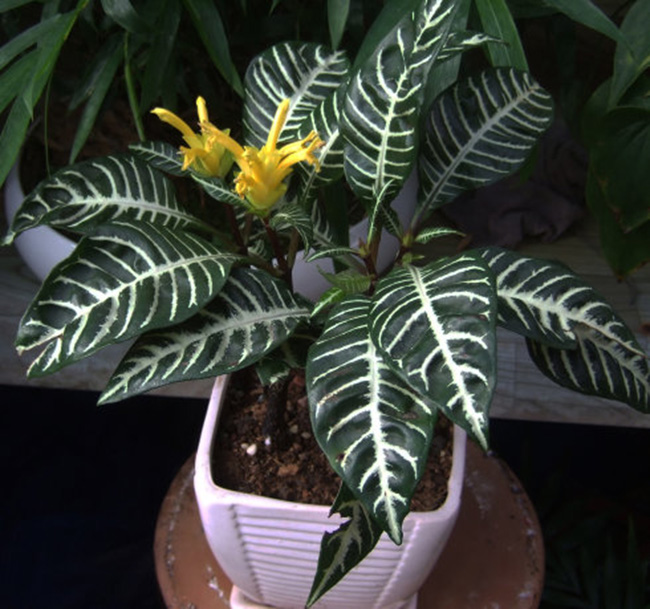
How to Grow Aphelandra squarrosa 'Dania'? Detailed Growing Methods and Precautions
Aphelandra squarrosa 'Dania' Encyclopedia Aphelandra squarrosa 'Dania' (scientific name: Aphelandra squarrosa Nees cv. Dania) is a perennial herbaceous plant. Leaves are opposite, oblong-elliptic; margins entire and slightly rolled inward; dark green, with pale yellow or yellow veins. The flowers form terminal spike inflorescences
-
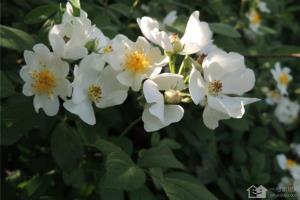
Rosa rubus blooms at just the right time, with abundant flowers and a rich fragrance that captivates the heart
Rosa rubus in bloom, with abundant flowers and a rich fragrance
-

What are the cultivation methods and precautions for Hibiscus rosa-sinensis?
[Cultivation Methods for Hibiscus rosa-sinensis] Cultivation methods and precautions for Hibiscus rosa-sinensis
-

What are the benefits and effects of Cherokee rose (Rosa laevigata) fruit? A detailed guide to its edible methods
The benefits, effects and edible methods of Cherokee rose (Rosa laevigata) fruit
-
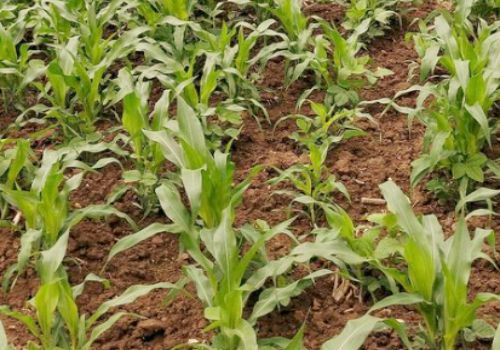
How to Grow Rosa roxburghii? Introduction to Cultivation Methods of a Medicinal and Edible Plant
Rosa roxburghii, also known as the chestnut rose, is a typical medicinal and edible plant. Its fruit is crisp-fleshed, sweet and sour, and has extremely high medicinal value, with effects that help strengthen the body's resistance and provide nourishment and health benefits. Some growers are also interested in cultivating it, so let me introduce the cultivation methods of Rosa roxburghii: Growing Conditions
-
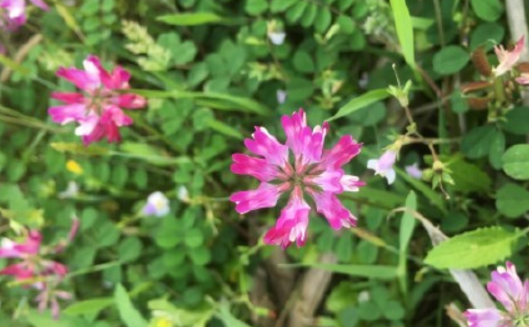
Rosaceae suborder: Milk vetch (Astragalus) toxicity, cultivation methods and precautions, and differences from alfalfa
Milk vetch is a herbaceous plant with pinnately compound leaves that produces flowers, so is milk vetch toxic? What are its cultivation methods and precautions? What is the difference from alfalfa? According to the information, milk vetch prefers a warm and humid growing environment, can tolerate cold, and requires sufficient water during cultivation
-
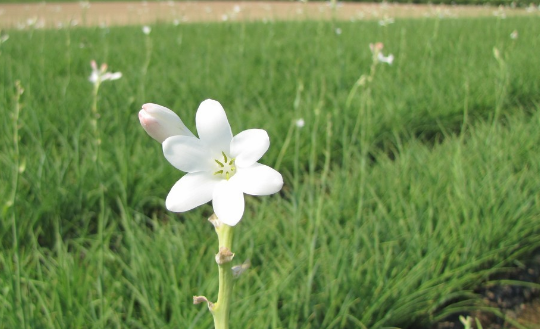
Tuberose (Polyanthes tuberosa) of the Amaryllidaceae suborder: cultivation methods, precautions, toxicity, and benefits
Tuberose is very easy to plant and to force into bloom, which makes it one of the most important cut flowers. So what are the cultivation methods and precautions for tuberose? Is it toxic? What benefits and effects does it have? According to the available information, tuberose dislikes waterlogging; if it is too dry, the leaf edges curl and the flower buds shrivel.
条件筛选